Selecting the right transformer supplier is a critical step for any industrial, commercial, or infrastructure project. A transformer is not only responsible for voltage conversion but also plays an important role in ensuring electrical safety, system stability, energy efficiency, and maintenance costs. Therefore, choosing a reliable supplier is just as important as selecting the right transformer specification.
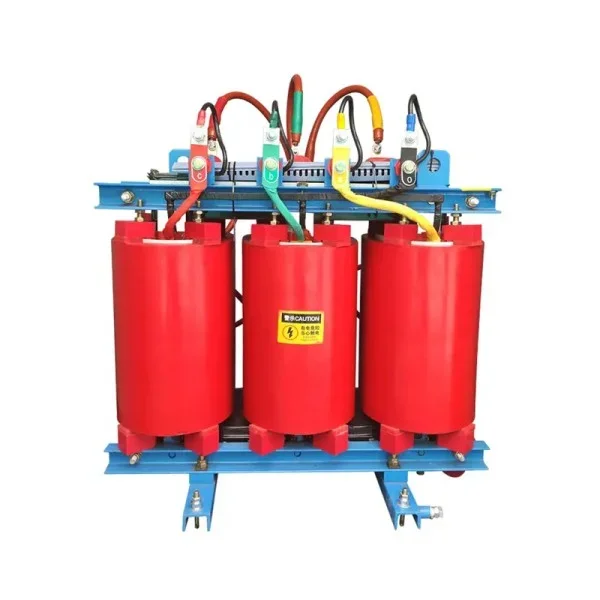
Among different transformer technologies, the cast resin dry-type transformer has gained increasing popularity due to its excellent fire resistance, low maintenance requirements, environmental protection, and reliable performance in demanding environments. However, the quality, performance, and service life of a cast resin dry-type transformer largely depend on the supplier’s manufacturing capabilities, technical expertise, quality control system, and after-sales support.
With many transformer manufacturers and suppliers available in the market, buyers need a systematic approach to evaluate potential partners. This article explains the key factors to consider when selecting a reliable cast resin dry-type transformer supplier and how to make a better purchasing decision.
Understand Your Project Requirements Before Choosing a Supplier
Before evaluating suppliers, it is important to clearly define your own project requirements. A professional supplier can provide better recommendations only when they understand your application conditions and technical expectations.
Important factors to identify include:
-
Transformer capacity requirements
-
Primary and secondary voltage levels
-
Installation environment
-
Load characteristics
-
Cooling method
-
Safety standards
-
Project timeline
-
Budget considerations
For example, a transformer used in a manufacturing plant may require high overload capability and resistance to industrial environments, while a transformer installed in a data center may focus more on reliability, low noise, and continuous operation.
A supplier who understands your application requirements can help select a suitable cast resin dry-type transformer instead of simply offering a standard product.
Evaluate the Supplier’s Manufacturing Experience
One of the most important factors when selecting a transformer supplier is manufacturing experience.
A reliable supplier should have extensive experience in designing and producing cast resin dry-type transformers for different applications.
Experienced manufacturers usually have:
-
Professional engineering teams
-
Advanced production equipment
-
Mature manufacturing processes
-
Knowledge of international standards
-
Experience with customized transformer solutions
Transformer manufacturing involves complex processes, including:
-
Core manufacturing
-
Winding production
-
Vacuum resin casting
-
Insulation processing
-
Assembly
-
Performance testing
Suppliers with years of industry experience are more likely to deliver consistent quality and solve technical challenges during production.
When evaluating a supplier, buyers should consider:
-
How long they have been manufacturing transformers
-
Their main product categories
-
The industries they serve
-
Their experience with similar projects
Check the Supplier’s Technical Capabilities
A reliable cast resin dry-type transformer supplier should have strong technical capabilities to support different project requirements.
A professional supplier should be able to provide:
-
Transformer design support
-
Load calculation assistance
-
Voltage configuration recommendations
-
Installation guidance
-
Customized solutions
Different applications may require different transformer designs.
Industrial Applications
Industrial projects may require:
-
Higher mechanical strength
-
Better thermal performance
-
Harmonic resistance
Renewable Energy Applications
Renewable energy projects may require:
-
Stable operation under variable loads
-
Compatibility with inverter systems
Marine or Coastal Applications
Marine or coastal applications may require:
-
Anti-corrosion protection
-
Moisture resistance
A supplier with strong engineering capabilities can provide solutions based on actual operating conditions.
Review Manufacturing Facilities and Production Capacity
A supplier’s manufacturing facilities reflect its ability to deliver reliable products consistently.
When evaluating a supplier, consider:
Production Equipment
A professional transformer manufacturer should have:
-
Automated or advanced winding equipment
-
Vacuum casting systems
-
Drying equipment
-
Testing facilities
The vacuum casting process is especially important for cast resin transformers because it directly affects insulation quality.
Poor resin casting may result in:
-
Air bubbles inside insulation
-
Reduced dielectric strength
-
Premature insulation failure
Advanced production equipment helps ensure stable transformer performance.
Production Capacity
The supplier should have sufficient production capacity to support your project requirements.
Consider:
-
Monthly production capability
-
Delivery schedule reliability
-
Ability to handle large orders
-
Manufacturing flexibility
A supplier with strong production capacity can better support both standard and customized transformer projects.
Verify Quality Control and Testing Procedures
Quality control is one of the most important criteria when choosing a cast resin dry-type transformer supplier.
A reliable supplier should have strict inspection procedures throughout the manufacturing process.
Important quality control stages include:
Raw Material Inspection
The supplier should carefully inspect:
-
Copper or aluminum conductors
-
Silicon steel sheets
-
Epoxy resin materials
-
Insulation components
High-quality materials directly influence transformer performance and service life.
Production Process Inspection
During manufacturing, key processes should be monitored, including:
-
Winding accuracy
-
Resin casting quality
-
Insulation thickness
-
Assembly precision
Final Performance Testing
Before shipment, transformers should undergo comprehensive testing.
Common tests include:
-
Insulation resistance testing
-
Voltage withstand testing
-
Partial discharge testing
-
Temperature rise testing
-
No-load loss testing
-
Load loss testing
-
Short-circuit withstand testing
A supplier that provides complete test reports demonstrates commitment to product reliability.
Confirm Compliance with International Standards
Transformer products must meet relevant industry standards to ensure safety and performance.
When selecting a supplier, verify whether their products comply with standards such as:
-
IEC 60076
-
IEEE transformer standards
-
Regional electrical regulations
Compliance with international standards indicates that the manufacturer follows recognized design and testing requirements.
For global projects, certification and compliance are especially important because they help ensure:
-
Easier project approval
-
Reliable operation
-
Reduced technical risks
Evaluate Product Quality and Performance
A reliable supplier should provide detailed technical information about their cast resin dry-type transformers.
Important specifications to review include:
-
Rated capacity
-
Voltage ratio
-
Frequency
-
Insulation class
-
Temperature rise
-
Impedance
-
Protection level
-
Cooling method
Buyers should pay attention not only to electrical parameters but also to practical performance factors.
Fire Safety Performance
Cast resin transformers are widely chosen because they do not contain flammable oil.
A quality supplier should provide information about:
-
Fire resistance characteristics
-
Insulation material performance
-
Safety certifications
Environmental Adaptability
A good transformer should perform reliably under different conditions.
Consider whether the transformer is suitable for:
-
High humidity
-
Dusty environments
-
Coastal areas
-
Industrial pollution
Consider Customization Capability
Different projects often have unique requirements.
A reliable cast resin dry-type transformer supplier should offer customization options.
Possible customization includes:
-
Special voltage ratings
-
Different enclosure designs
-
Modified cooling systems
-
Specific protection requirements
-
Special installation dimensions
For example, a factory expansion project may require a transformer with higher capacity, while a renewable energy project may need a design optimized for variable power output.
A supplier capable of customization can provide a better technical solution than a supplier offering only standard products.
Review Previous Projects and Customer Experience
A supplier’s previous projects can provide valuable insight into its reliability.
Before making a decision, ask for information about:
-
Similar projects completed
-
Industries served
-
Customer references
-
Export experience
A supplier with experience in:
-
Industrial facilities
-
Energy projects
-
Infrastructure development
-
Commercial buildings
is more likely to understand project requirements.
Customer feedback can also reveal important information about:
-
Product reliability
-
Delivery performance
-
Technical support quality
Assess Delivery Capability and Project Management
Transformer projects often have strict schedules.
A reliable supplier should have strong project management capabilities.
Important considerations include:
-
Production lead time
-
Delivery planning
-
Packaging quality
-
Shipping experience
Proper packaging is especially important for transformers because they are heavy electrical equipment that can be damaged during transportation.
A professional supplier should provide:
-
Safe packaging solutions
-
Transportation guidance
-
Delivery tracking support
Evaluate After-Sales Service and Technical Support
A transformer supplier’s responsibility should not end after delivery.
Reliable suppliers provide long-term support, including:
-
Installation guidance
-
Operation recommendations
-
Troubleshooting assistance
-
Maintenance advice
Good after-sales support helps customers:
-
Reduce downtime
-
Improve equipment lifespan
-
Solve technical issues quickly
For large industrial projects, responsive technical support can significantly reduce operational risks.
Compare Total Value Instead of Only Price
Price is an important factor, but it should not be the only decision criterion.
The cheapest supplier may not always provide the best value.
When comparing suppliers, consider:
-
Product quality
-
Energy efficiency
-
Reliability
-
Maintenance requirements
-
Service support
-
Delivery capability
A high-quality cast resin dry-type transformer may have a higher initial cost but provide better long-term benefits through:
-
Lower maintenance costs
-
Reduced downtime
-
Longer service life
-
Improved energy efficiency
Evaluating total ownership cost provides a more accurate comparison.
Identify Warning Signs of an Unreliable Supplier
Buyers should be cautious when suppliers show the following warning signs:
Lack of Technical Documentation
A professional supplier should provide:
-
Product specifications
-
Test reports
-
Technical drawings
-
Certifications
Limited Manufacturing Information
Suppliers unwilling to share information about production facilities or quality control processes may present higher risks.
No Customization Support
A supplier that only provides standard products may not be suitable for complex projects.
Poor Communication
Reliable suppliers should respond clearly and professionally to technical questions and project requirements.
Conclusion
Selecting a reliable cast resin dry-type transformer supplier requires careful evaluation of multiple factors, including manufacturing experience, technical capability, production facilities, quality control, certifications, customization ability, delivery performance, and after-sales support.
A trustworthy supplier does more than provide a transformer; they provide a complete power solution that helps ensure safe, efficient, and reliable electrical operation.
Before making a purchasing decision, buyers should focus not only on product price but also on long-term value, including transformer performance, service life, maintenance requirements, and technical support.
By partnering with an experienced and professional cast resin dry-type transformer supplier, businesses can achieve a more reliable power distribution system and reduce risks throughout the entire project lifecycle.
www.vensolws.com
vensolws