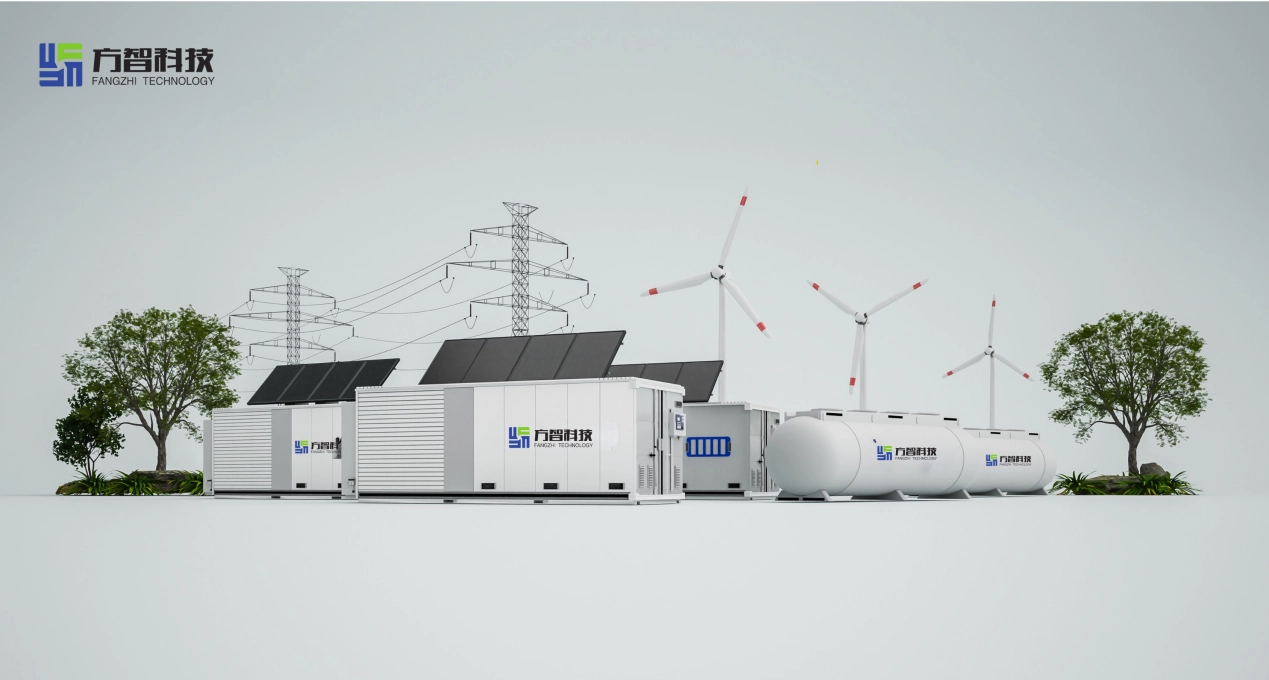
Scaling off-grid power is no longer a matter of adding a few batteries and calling it a day. Today’s off-grid demands are multi-dimensional: a remote microgrid needs predictable capacity growth; a telecom tower requires uninterrupted power; a cold chain site demands constant refrigeration; an industrial camp wants scalable peak shaving; and emergency relief operations require rapid deployment under harsh conditions. These scenarios share one common challenge—how to scale power reliably, quickly, and economically without compromising safety.
MWh container energy storage solutions, delivered by manufacturers like Fong Power Technology, are designed specifically for this kind of multi-scenario scaling. They transform off-grid power from a fragmented, custom-built system into a standardized, expandable, and manageable platform. This is not just a product upgrade; it is a new architecture for off-grid energy.
1. The Scaling Problem: Why Off-Grid Power Fails When Demand Grows
Most off-grid systems are built around a static capacity assumption: “this site will always consume X kWh per day.” In reality, demand changes rapidly due to:
-
seasonal load shifts (e.g., more cooling in summer)
-
new equipment (additional pumps, lights, or production lines)
-
expansion of site operations
-
increased electrification (EV charging, more automation)
When a system is designed without expansion in mind, adding capacity becomes expensive and risky. Typical issues include:
-
disparate components (different brands, different control logic)
-
complex commissioning (multiple vendors, multiple standards)
-
unpredictable downtime (battery aging, thermal stress, poor management)
-
O&M complexity (multiple teams, multiple maintenance schedules)
Scaling needs a new approach—one that makes expansion predictable, standardized, and manageable.
2. Why MWh Container Energy Storage is the Scaling Solution
MWh container energy storage provides the core capabilities required for scaling:
Modular Capacity Expansion
Fong Power Technology offers standardized container units in 120kWh, 200kWh, and 400kWh configurations. This allows you to build capacity incrementally. For example:
-
Start with 200kWh for a small microgrid
-
Add another 400kWh container when demand doubles
-
Expand to MWh-scale with predictable increments
This is the key difference between “upgrading” and “scaling.”
Standardization
A standardized containerized system means:
-
uniform electrical and mechanical interfaces
-
repeatable installation and commissioning
-
consistent safety and cooling systems
-
simplified training for operators
This standardization becomes a major advantage in remote sites where labor and resources are limited.
Reliability Under Harsh Conditions
Off-grid sites often face extreme conditions: high heat, dust, heavy rain, or electromagnetic interference. Fong Power Technology’s products are tested in these conditions and designed to maintain high efficiency and low attenuation, ensuring predictable performance and long lifecycle value.
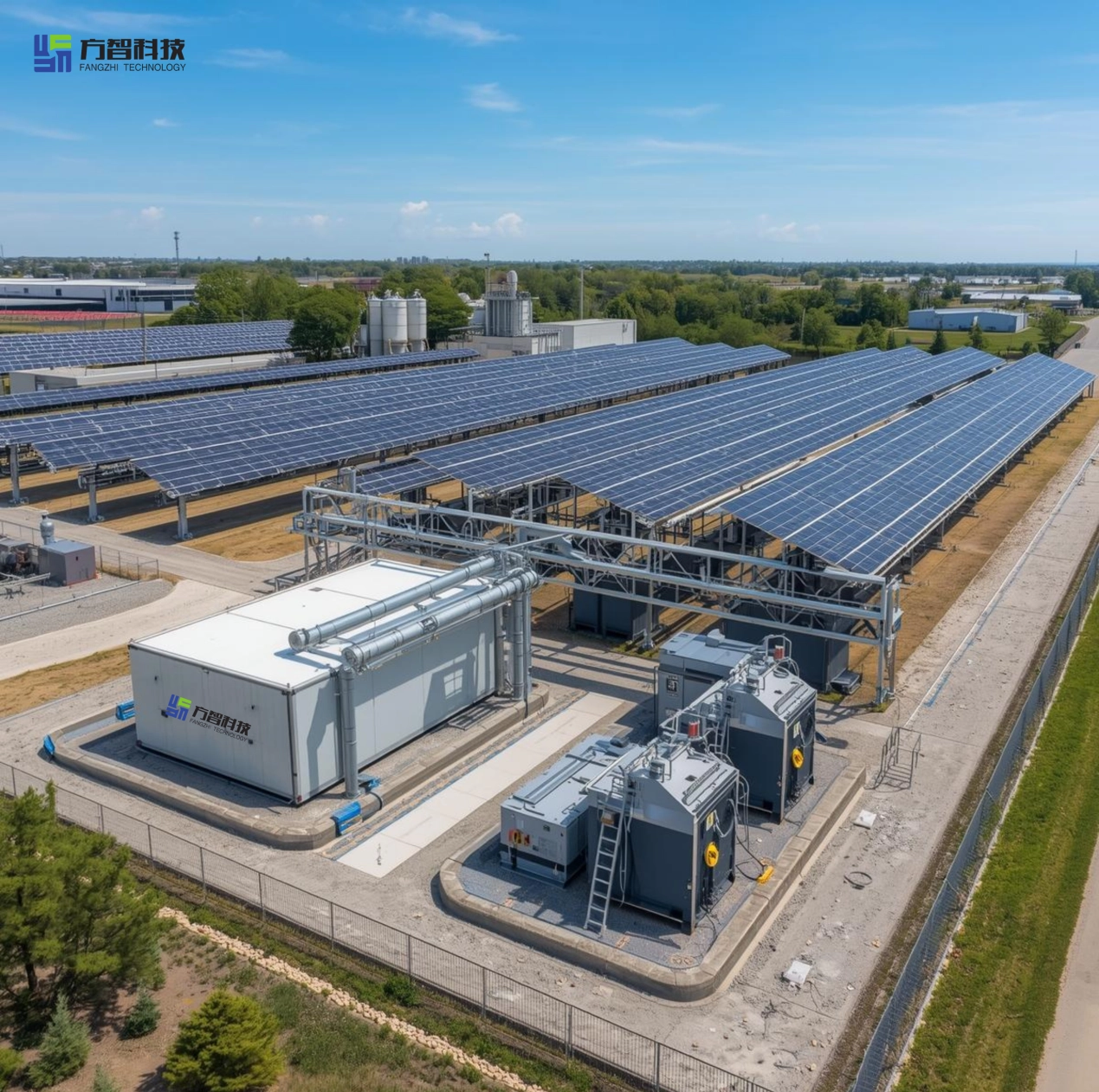
3. Multi-Scenario Scaling: What “Scaling” Looks Like in Real Use
A. Remote Microgrids (Rural Electrification)
A rural microgrid may start with basic daytime solar + battery storage to power lighting and small appliances. As communities grow, demand rises. MWh container storage enables:
-
adding capacity without system redesign
-
integrating more PV panels
-
scaling peak-shaving and load tracking
This approach supports long-term rural electrification while keeping capital expenditure manageable.
B. Industrial Sites & Mining Camps
Industrial sites face variable loads and frequent equipment upgrades. Scaling here is about:
-
avoiding downtime during expansion
-
ensuring safety in high-risk environments
-
maintaining stable power for critical operations
Containerized storage makes expansion a simple “plug-and-play” process rather than a full redesign.
C. Telecom & Remote Communication Towers
Telecom towers require 24/7 uptime. Scaling often comes from adding more base stations or expanding coverage. Containerized energy storage helps by:
-
providing reliable backup power
-
enabling scalable capacity without repeated field redesign
-
supporting remote monitoring and maintenance
D. Cold Chain & Mobile Refrigeration
Cold chain is one of the most demanding off-grid applications. The load is continuous, and failure is not an option. Fong Power Technology’s container solutions integrate:
-
high-efficiency refrigeration
-
retractable PV panels for variable sunlight
-
remote control via mobile app
-
EMS coordination between PV, storage, and cooling
This makes it possible to scale cold chain sites rapidly and reliably.
E. Emergency Relief & Temporary Power
Emergency power needs speed and reliability. Containerized storage is ideal because it is:
-
pre-fabricated and transportable
-
quick to deploy
-
scalable to meet rising demand
-
compatible with remote monitoring
In disaster relief scenarios, scaling is often a matter of hours—not months.
4. The Key Component That Enables Scaling: Smart EMS
Scaling is not only about capacity—it is about control. A system can have 1MWh of storage but still fail if the control logic is poor. This is where FongPower’s intelligent EMS becomes a decisive advantage.
EMS Features That Enable Scaling
-
Load tracking and demand control
-
PV-storage interaction and anti-backflow
-
Peak-shaving / valley-filling strategies
-
Remote monitoring and OTA upgrades
-
Cloud and grid communication
This allows a system to adapt as load patterns change. For example, in a remote microgrid, EMS can shift charging to peak solar hours and discharge during evening peaks, increasing system efficiency and extending battery life.
5. The Scaling Process: A Practical Roadmap
Step 1: Capacity Growth Forecast
Predict demand growth for 12–36 months based on planned expansions.
Step 2: Modular Design
Select the initial container size and plan for future additions. Fong Power Technology’s standardized modules simplify this.
Step 3: Pre-fabrication and Site Preparation
Containerized solutions reduce onsite construction and speed up deployment.
Step 4: EMS Commissioning
Configure EMS for load tracking, PV interaction, and remote control.
Step 5: Expansion
When demand increases, add another container module. No major redesign is required.
Step 6: Lifecycle O&M
Fong Power Technology provides professional operation and maintenance services, ensuring long-term profitability.
6. Industry Data That Supports the Trend
According to the International Energy Agency (IEA), global energy storage deployment is accelerating as distributed renewable power becomes more prevalent. In off-grid scenarios, modular energy storage is becoming the default due to its ability to support scalable electrification and improve resilience.
This aligns with the global trend of distributed energy systems moving toward standardized, modular storage solutions. For off-grid sites, the economic logic is simple: modular scaling reduces risk, reduces downtime, and makes expansion financially feasible.
FAQ
Q1: Can I expand a container energy storage system without shutting down the site?
A: Yes. With standardized container modules and EMS control, expansion can be performed with minimal disruption. Proper planning and staged commissioning allow continuous operation.
Q2: What makes container energy storage safer for remote sites?
A: Container systems integrate standardized safety features, cooling, and fire protection. They also provide uniform interfaces, reducing the risk of human error during installation and maintenance.
Q3: How does EMS help in scaling off-grid systems?
A: EMS optimizes charging/discharging, manages peak shaving, supports remote monitoring, and enables automated control. It ensures the system adapts as demand changes.
Q4: Why should I choose a manufacturer like Fong Power Technology?
A: Fong Power Technology offers standardized container modules, integrated EMS, harsh-environment testing, and professional O&M services—ensuring scalable performance and long-term asset value.
Conclusion
Scaling off-grid power is no longer a technical experiment; it is a strategic requirement. MWh container energy storage solutions, especially those provided by manufacturers like Fong Power Technology, offer a standardized, modular, and reliable pathway to scale capacity across multiple scenarios. From microgrids to cold chain logistics, from telecom towers to emergency relief, containerized energy storage enables predictable expansion while maintaining operational stability and safety. In the era of distributed energy, this is the architecture that makes off-grid power truly scalable.
www.fongpower.com
Fong Power Technology Co., Ltd