For companies handling hazardous materials, bulk packaging is more than a container for transporting products. The right flexible intermediate bulk container (FIBC) helps support safe handling, transportation compliance, and supply chain reliability. This is why choosing a qualified UN certified bulk bags manufacturer requires careful evaluation rather than simply comparing product prices or production capacity.
UN certified bulk bags are designed for specific dangerous-goods packaging applications. Their suitability depends on the materials being transported, the packaging design, applicable regulations, and the conditions under which the bags will be filled, lifted, stored, and shipped.
For procurement teams, the challenge is to identify a manufacturer that can provide appropriate documentation, consistent product quality, reliable production, and technical support. The following considerations can help businesses make a more informed supplier selection.
1. Understand Your Packaging and Compliance Requirements
Before contacting a manufacturer, determine what material the bag will contain and how it will be handled throughout the supply chain.
Important considerations include the material's hazard classification, required packaging performance, target load capacity, filling method, discharge configuration, and intended transportation routes. Different dangerous goods may be subject to different packaging and transport requirements, so a standard bulk bag should never be assumed suitable for every application.
Buyers should also distinguish between UN dangerous-goods packaging requirements and electrostatic protection requirements.
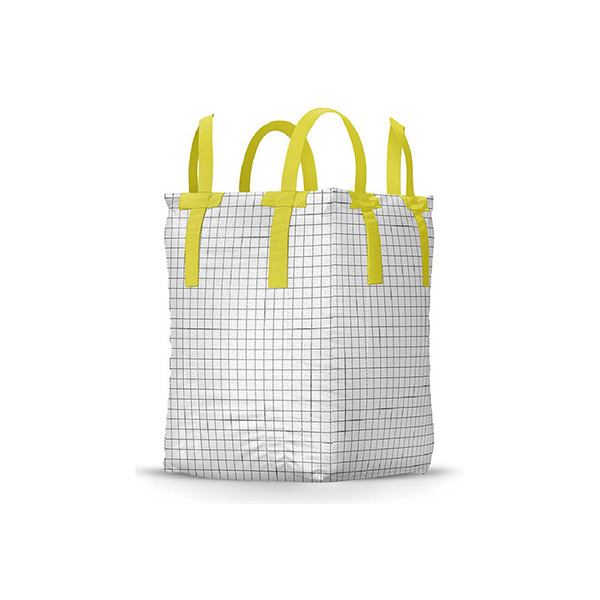
For example, Type C FIBCs are conductive bulk bags designed to dissipate electrostatic charge when properly grounded. They are used in certain operations involving combustible powders or potentially flammable atmospheres, subject to an appropriate electrostatic risk assessment and safe operating procedures.
These bags typically incorporate conductive tapes into their fabric structure. The conductive network must function correctly, and the bag must be connected to a suitable grounding system during relevant filling and discharge operations.
However, a Type C bulk bag is not automatically UN certified, and UN certification alone does not establish electrostatic safety. Buyers should verify both requirements independently when their applications involve dangerous goods and electrostatic hazards.
2. Verify Certification and Product Documentation
Certification is one of the first things to review when evaluating a UN certified bulk bags manufacturer. The documentation should relate to the specific packaging design being purchased, not simply to another product in the supplier's catalog.
Ask the manufacturer to provide or clarify the following:
-
UN marking and packaging details: Confirm that the marking corresponds to the applicable packaging type and performance requirements.
-
Test reports: Request relevant documentation showing that the specific packaging design has undergone the required testing.
-
Technical specifications: Review the bag dimensions, safe working load (SWL), safety factor, lifting configuration, and other application-specific details.
-
Production traceability: Check whether finished batches can be linked to raw materials, inspections, and manufacturing records.
-
Design change management: Understand how changes to fabric, seams, lifting loops, liners, coatings, or other components are reviewed and documented.
The last point is particularly important. A modification that appears minor may affect the bag's structural performance or the applicability of its existing certification and test results.
Buyers should also clarify which party is responsible for confirming that the packaging meets the regulations applicable to the intended destination and transport method. Depending on the shipment, road, rail, sea, or air transport requirements may differ.
A reliable supplier should be willing to explain its documentation and identify any limitations instead of relying on broad claims about certification.
3. Evaluate Manufacturing Quality Beyond the Certificate
A certificate or test report provides important evidence, but it does not eliminate the need for ongoing quality control. Every production batch must remain consistent with the approved design and agreed technical specifications.
Raw material control
The performance of an FIBC depends on the quality and suitability of its polypropylene woven fabric, sewing thread, lifting loops, liners, and other components.
Manufacturers should have procedures for inspecting incoming materials and controlling material specifications. For conductive Type C bags, particular attention should be given to conductive tapes, their integration into the fabric, and the effectiveness of the conductive network.
Conductive performance should be verified through appropriate testing rather than judged by visual appearance alone.
Sewing and structural inspection
Seams and lifting loops are critical load-bearing areas. Inconsistent stitching, damaged fabric, incorrect dimensions, or poorly attached loops can affect the bag's performance during handling.
A manufacturer's inspection process should address critical seams, loop attachments, fabric condition, dimensions, and other characteristics specified for the product.
For buyers using automated filling systems, forklifts, or crane lifting equipment, the bag's design must also be compatible with the actual handling method.
Quality management and traceability
Ask how the manufacturer handles nonconforming products, corrective actions, production inspections, and customer complaints. Effective traceability helps businesses investigate quality issues and identify affected batches if a problem occurs after delivery.
These procedures are especially important for hazardous-material packaging, where a product defect can create operational, compliance, and safety concerns.
4. Match the Bag Design to the Actual Application
Not all FIBCs are designed for the same purpose. A bag suitable for general industrial powders may not be appropriate for hazardous chemicals, combustible materials, food ingredients, or pharmaceutical products.
Before requesting a quotation, prepare a clear specification that covers:
-
Material name, physical properties, and relevant hazard classification
-
Required capacity, target net weight, and SWL
-
Filling equipment and filling speed
-
Discharge method and outlet configuration
-
Lifting and handling equipment
-
Storage and transportation conditions
-
Requirements for liners, moisture protection, or electrostatic control
Providing this information early helps the manufacturer assess whether an existing design is suitable or whether a different configuration is required.
For instance, a company transporting combustible powder may need a Type C FIBC with verified conductive performance and a suitable grounding arrangement. The complete process must also account for the filling equipment, surrounding environment, material characteristics, and operator procedures.
Selecting a bag without considering these factors can leave important risks unresolved, even if the bag appears suitable on paper.
5. Check Customization and Engineering Support
Customization is often necessary when a standard bulk bag does not match a customer's filling, storage, or transportation requirements. Common options include different dimensions, lifting loop configurations, filling and discharge spouts, internal baffles, liners, and printed identification.
However, customization for regulated applications requires careful control. Changes to the bag's construction or materials may affect its tested performance or certified design. Buyers should ask the manufacturer to identify which changes are permissible and whether additional evaluation or testing is necessary.
YIOU FIBC supplies a range of bulk packaging products, including baffle bags, U-panel bags, four-panel bags, single-loop bags, container liners, and specialized food-grade and pharmaceutical-grade packaging.
This product range may help businesses coordinate multiple packaging requirements through one supplier. Nevertheless, each product should be evaluated against its intended use, with relevant documentation reviewed before approval.
Before mass production, request technical drawings, written specifications, and samples where appropriate. Confirming these details in advance can reduce misunderstandings and prevent costly changes after production has started.
6. Assess Production Capacity and Delivery Performance
Manufacturing capability matters when packaging is part of a continuous production or export process. Delayed deliveries can disrupt filling schedules, warehouse operations, and customer commitments.
When assessing a supplier, look beyond its stated annual output. Consider the production capacity available for your particular bag design, the availability of raw materials, equipment maintenance, quality inspection resources, and the manufacturer's ability to handle repeat orders.
YIOU FIBC reports annual production capacity exceeding two million food-grade, pharmaceutical-grade, and new-energy bags. The company also identifies production equipment, laboratory resources, and quality-control procedures as part of its manufacturing capabilities.
For procurement teams, these details provide a starting point for further evaluation. They should still be supported by order-specific discussions about production lead times, sample approval, inspection arrangements, packaging, and shipping documentation.
A large production facility does not automatically guarantee delivery on a particular date. Clear production schedules and agreed acceptance criteria are essential for dependable cooperation.
7. Evaluate Communication and Long-Term Supplier Reliability
A good manufacturer should be able to discuss technical requirements clearly and respond to questions about product suitability, testing, and quality management.
During supplier qualification, evaluate whether the company can provide consistent specifications, explain product limitations, maintain relevant records, and investigate problems effectively. This is particularly important when packaging designs must remain consistent across recurring orders.
For Type C bulk bags, technical support should also address grounding requirements, inspection of conductive components, and appropriate operating procedures. Personnel should follow the facility's electrostatic risk controls and verify the grounding arrangement before relevant filling and discharge activities.
No individual packaging product replaces a complete safety assessment. The bag, material, handling equipment, grounding system, and operating environment must be considered together.
Long-term supplier reliability therefore depends on a combination of manufacturing quality, technical communication, documentation, and consistent production management.
Conclusion
Choosing a reliable UN certified bulk bags manufacturer requires more than checking a certificate or comparing product specifications. Buyers should verify product-specific documentation, assess manufacturing quality, confirm application suitability, and evaluate traceability, customization, and delivery performance.
It is equally important to distinguish UN dangerous-goods packaging requirements from the electrostatic protection requirements associated with Type C conductive FIBCs. These address different risks and must be assessed separately when both apply.
YIOU FIBC offers a broad range of FIBC packaging solutions and reports substantial annual production capacity supported by manufacturing equipment and quality-control resources. For businesses seeking a long-term bulk packaging partner, reviewing the company's product-specific documentation and matching its capabilities to the intended application can provide a practical starting point for supplier qualification.
Ultimately, the best manufacturer is one that can demonstrate that its packaging design, production controls, and technical support align with the buyer's actual operational and regulatory requirements.
www.yopkg.com
YIOU FIBC