In modern industrial and commercial piping systems, stainless steel pipe fittings play a critical role in ensuring reliable fluid transport, structural integrity, and long-term durability. From water treatment plants and chemical processing facilities to HVAC systems and food-grade pipelines, selecting the right fittings is essential for safety, efficiency, and cost-effectiveness.
1. Understand Your Piping Requirements
Before selecting a fitting, it’s crucial to evaluate your piping system’s operational conditions:
-
Fluid type and compatibility: Ensure the stainless steel grade is resistant to the fluids you are transporting, including corrosive chemicals, hot water, or sanitary fluids.
-
Pressure and temperature: Determine the maximum operating pressure and temperature your system will face, as this will influence the choice of material and fitting design.
-
Flow rate and pipe diameter: Correct sizing prevents pressure drops and turbulence, ensuring smooth fluid flow.
Understanding these requirements early helps narrow down compatible fittings and reduces the risk of failure.
2. Choose the Appropriate Stainless Steel Grade
Not all stainless steel is created equal. Different grades offer varying levels of corrosion resistance, strength, and thermal stability:
-
304 Stainless Steel: Commonly used for general applications due to good corrosion resistance and affordability.
-
316 Stainless Steel: Ideal for highly corrosive environments or applications involving saltwater, acids, or other aggressive chemicals.
-
Duplex or Super Duplex Stainless Steel: Provides higher strength and superior corrosion resistance for specialized industrial applications.
Selecting the correct grade ensures long-term reliability and reduces maintenance costs.
3. Consider the Type of Fitting
Stainless steel pipe fittings come in various designs to meet different connection and installation needs:
-
Elbows: Used to change flow direction (commonly 45° or 90°).
-
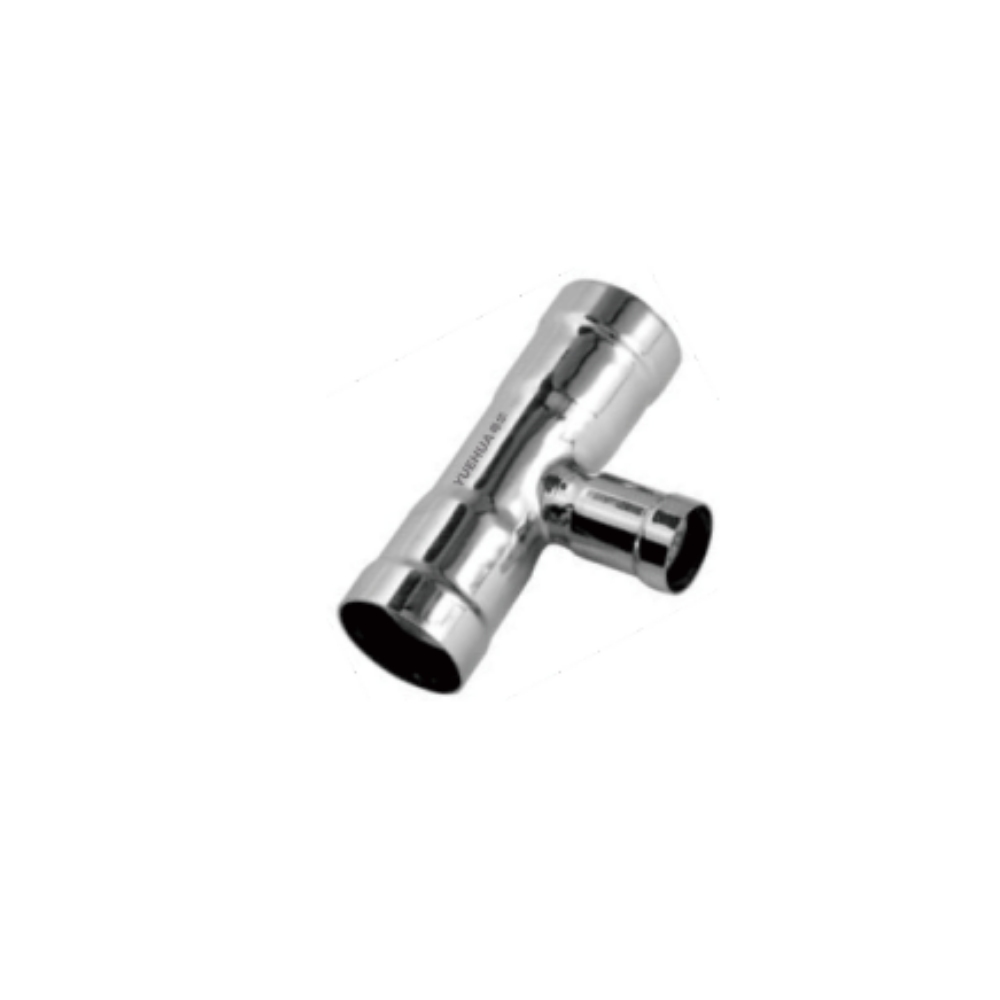
Tees: Enable branching of pipes for distribution or collection.
-
Reducers: Connect pipes of different diameters while maintaining flow efficiency.
-
Couplings and Clamps: Provide easy assembly and disassembly without welding.
For systems requiring flexible and efficient assembly, grooved clamp fittings are increasingly popular due to their speed of installation and reliable sealing.
4.Evaluate Pressure and Mechanical Ratings
Each fitting has a pressure rating, often expressed in PSI or bar, and may be categorized by mechanical standards such as ANSI, DIN, or ISO. Choosing fittings with adequate pressure ratings ensures safe operation under expected system loads.
Mechanical strength also matters for systems exposed to vibration, thermal expansion, or frequent disassembly. High-quality stainless steel fittings maintain structural integrity even under harsh industrial conditions.
5. Understand Connection Methods
Connection methods influence installation speed, maintenance, and system reliability:
-
Threaded fittings: Common for small-diameter pipes but may be less suitable for high-pressure systems.
-
Welded fittings: Provide strong, leak-proof joints but require skilled labor and longer installation times.
-
Grooved or clamp fittings: Offer fast assembly and disassembly, ideal for maintenance-intensive systems.
For modern industrial systems, grooved clamp-type pipe fittings, such as those offered by Yuehua, combine convenience with durability and are compatible with various pipe diameters and materials.
6. Assess Corrosion and Environmental Factors
Even stainless steel is susceptible to corrosion under certain conditions, such as:
-
Chloride exposure in coastal areas
-
High-temperature fluids
-
Industrial chemicals
To prevent premature failure, choose fittings that match environmental conditions and follow proper installation protocols. Surface finishes, such as electropolishing or passivation, can further enhance corrosion resistance, particularly in sanitary or food-grade applications.
7. Consider Maintenance and Accessibility
Efficient maintenance is critical for long-term system performance. Some fittings, like grooved clamps or removable couplings, allow quick disassembly for inspection, cleaning, or replacement. Systems designed with accessibility in mind reduce downtime and labor costs.
Evaluate your piping layout to ensure fittings are reachable and serviceable without requiring extensive dismantling.
8. Comply with Industry Standards
Compliance with relevant standards guarantees safety, performance, and compatibility:
-
ASTM and ASME standards for material quality
-
ISO certifications for dimensional accuracy and testing
-
EN or DIN standards for industrial applications
Working with certified suppliers, such as Yuehua, ensures that fittings meet international quality and safety benchmarks.
9. Optimize for System Efficiency
The right stainless steel pipe fittings improve not only durability but also system efficiency:
-
Smooth internal surfaces reduce friction and pressure loss.
-
Properly sized elbows and reducers minimize turbulence.
-
High-quality seals prevent leaks and energy loss.
When combined with correct pipe selection, fittings contribute to optimized fluid transport and reduced operational costs.
10. Practical Tips for Choosing the Right Fittings
-
Conduct a thorough assessment of fluid types, temperature, pressure, and flow requirements.
-
Choose fittings compatible with your chosen stainless steel grade.
-
Prioritize connection methods that suit installation and maintenance preferences.
-
Select certified fittings from reputable suppliers for consistency and reliability.
Conclusion
Selecting the right stainless steel pipe fittings is critical to ensuring a safe, efficient, and long-lasting piping system. From material grade and connection type to pressure ratings and environmental compatibility, each factor influences system performance and maintenance requirements.
By carefully evaluating these considerations and sourcing from reliable suppliers like Yuehua, engineers and facility managers can achieve optimal piping system performance, minimize downtime, and ensure safety across all applications.
www.yuehuasus.com
Yuehua