As industrial automation continues to evolve, businesses are placing greater emphasis on equipment reliability, energy efficiency, and intelligent control. Whether it's a hydraulic power unit, production line, conveyor system, or automated manufacturing cell, every electric motor depends on an effective control system to perform safely and efficiently.
A motor control cabinet is the heart of that system. It distributes power, protects electrical equipment, executes control logic, and enables communication between different devices. Selecting the right cabinet is not simply about housing electrical components—it is a key decision that directly affects production efficiency, equipment lifespan, and maintenance costs.
If you're planning a new automation project or upgrading an existing system, here are the most important factors to consider before choosing a motor control cabinet.
What Does a Motor Control Cabinet Do?
A motor control cabinet is a centralized electrical enclosure designed to manage and protect motors and related equipment. It integrates electrical protection, automation control, and monitoring functions into one system, helping industrial machinery operate safely and consistently.
Typical functions include:
-
Power distribution
-
Motor starting and stopping
-
Overload and short-circuit protection
-
PLC-based automation control
-
Equipment monitoring
-
Communication with sensors and HMIs
-
Fault diagnosis and alarm management
Without a properly designed control cabinet, even premium motors may experience unstable performance or unexpected downtime.
Understand Your Application First
Before selecting any control cabinet, define your operating requirements clearly.
Consider questions such as:
-
What type of motor will be controlled?
-
What is the motor's rated power?
-
Will the motor run continuously or intermittently?
-
Is speed regulation required?
-
Does the system need automatic control?
-
Will the cabinet communicate with other equipment?
For example, a hydraulic power unit usually requires different control logic than a packaging machine or conveyor system. Understanding these requirements early helps avoid unnecessary upgrades later.
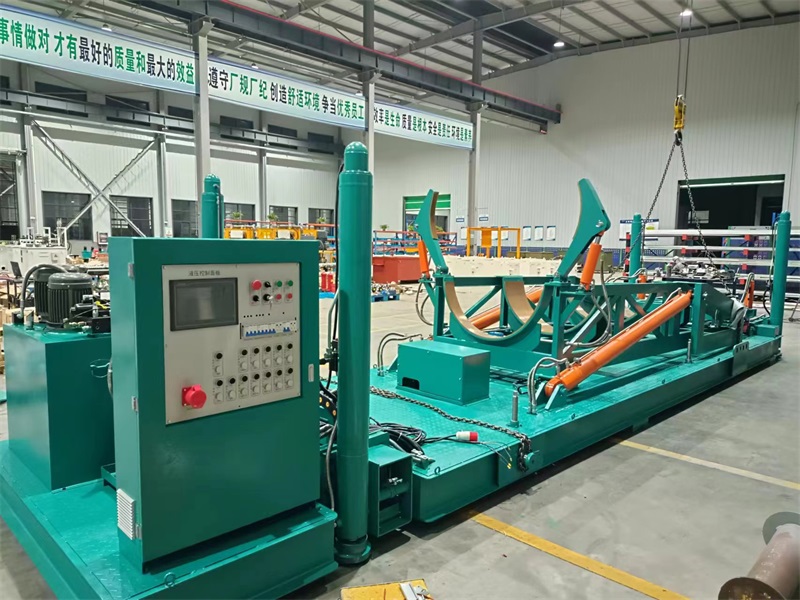
Know the Different Types of Motor Control Cabinets
Different industrial applications require different cabinet configurations.
Motor Control Center (MCC)
An MCC is commonly used in factories where multiple motors operate simultaneously. It centralizes motor management, simplifies maintenance, and improves operational safety.
Typical applications include:
-
Manufacturing plants
-
Water treatment facilities
-
Material handling systems
-
Hydraulic stations
PLC Control Cabinet
When automatic process control is required, a PLC control cabinet offers greater flexibility.
It supports:
-
Automatic equipment sequencing
-
Sensor integration
-
Data collection
-
Remote monitoring
-
Production line automation
Variable Frequency Drive (VFD) Cabinet
For applications requiring adjustable motor speed, a VFD cabinet provides significant advantages.
Benefits include:
-
Energy savings
-
Smooth motor starting
-
Adjustable operating speed
-
Reduced mechanical wear
-
Improved process accuracy
Power Distribution Cabinet
Some projects primarily require safe electrical power distribution. In these cases, a power distribution cabinet provides reliable protection and organized power management for industrial equipment.
Pay Attention to Internal Components
The performance of a motor control cabinet largely depends on the quality of its internal components.
Key components typically include:
-
Main circuit breaker
-
Surge protection device
-
Control transformer
-
Terminal blocks
-
PLC controller
-
Contactors and relays
-
Network communication modules
-
Human-Machine Interface (HMI)
High-quality components improve system reliability while reducing maintenance frequency throughout the equipment's service life.
Consider the Working Environment
Industrial environments vary greatly, and cabinet design should match actual operating conditions.
Factors to evaluate include:
Installation Location
Outdoor installations require protection against rain, dust, sunlight, and temperature fluctuations. Cabinets with higher IP protection ratings are often necessary.
Ambient Temperature
Electrical components generate heat during operation. High-temperature environments may require cooling fans, heat exchangers, or air-conditioning systems.
Humidity and Corrosion
Chemical plants, marine facilities, and wastewater treatment stations often require stainless steel enclosures or corrosion-resistant coatings.
Mechanical Vibration
Equipment operating near hydraulic presses, pumps, or heavy machinery should use cabinets designed to withstand continuous vibration.
Think Beyond Today's Automation Needs
Industrial control systems are becoming increasingly intelligent. Many companies now require their control cabinets to support future digital upgrades.
Modern motor control cabinets may include:
-
PLC automation
-
Ethernet communication
-
SCADA connectivity
-
Remote diagnostics
-
IoT integration
-
Predictive maintenance functions
-
Energy monitoring systems
Choosing a scalable control architecture today can significantly reduce upgrade costs in the future.
Never Compromise on Safety
Safety remains one of the most important considerations in any electrical control system.
A properly engineered motor control cabinet should include:
-
Overload protection
-
Short-circuit protection
-
Emergency stop circuits
-
Isolation switches
-
Ground fault protection
-
Organized cable management
-
Clear electrical labeling
These features not only protect equipment but also improve operator safety and simplify routine maintenance.
Why Electro-Hydraulic Integration Matters
In hydraulic machinery, the motor control cabinet is responsible for coordinating electrical control with hydraulic operation.
A typical system may manage:
-
Hydraulic pump motors
-
Solenoid valves
-
Pressure switches
-
Temperature sensors
-
Flow monitoring devices
-
Safety interlocks
Well-designed electro-hydraulic integration improves equipment responsiveness, increases operating precision, and enhances overall system reliability.
Choose an Experienced Manufacturer
A motor control cabinet is rarely a standard product. Every project has different electrical loads, operating conditions, and automation requirements.
An experienced manufacturer can provide:
-
Customized cabinet design
-
PLC programming
-
Component selection
-
Electrical drawings
-
Installation support
-
Technical service
-
Long-term maintenance assistance
Working with a supplier that understands both electrical control and hydraulic systems helps ensure better compatibility, smoother commissioning, and more reliable operation.
Final Thoughts
Selecting the right motor control cabinet is an important investment for any industrial automation project. Beyond simply controlling motors, the cabinet serves as the central platform for electrical protection, intelligent automation, and system communication.
By carefully evaluating your application requirements, environmental conditions, automation goals, and future expansion plans, you can choose a solution that delivers reliable performance for years to come.
As industrial facilities continue moving toward smarter and more connected manufacturing, investing in a well-designed motor control cabinet is one of the most effective ways to improve operational efficiency, reduce downtime, and build a more reliable production system.
www.kinyuenhydraulic.com
Jiangsu kinyuan