In industries such as metal fabrication, equipment manufacturing, construction, and maintenance, the quality of cutting tools has a direct impact on production efficiency, machining accuracy, and operating costs. Among the many abrasive products used for metalworking, cutting wheels are indispensable consumables. However, choosing the most suitable high performance cutting wheel involves much more than selecting the correct size or comparing prices. Material compatibility, wheel design, bonding technology, and manufacturing quality all influence cutting performance.
This guide explains the essential factors to consider when selecting a cutting wheel for metal applications and highlights how experienced manufacturers like Zhejiang Wangpeng Machinery & Electrical Technology Co., Ltd. deliver reliable abrasive solutions for industrial users.
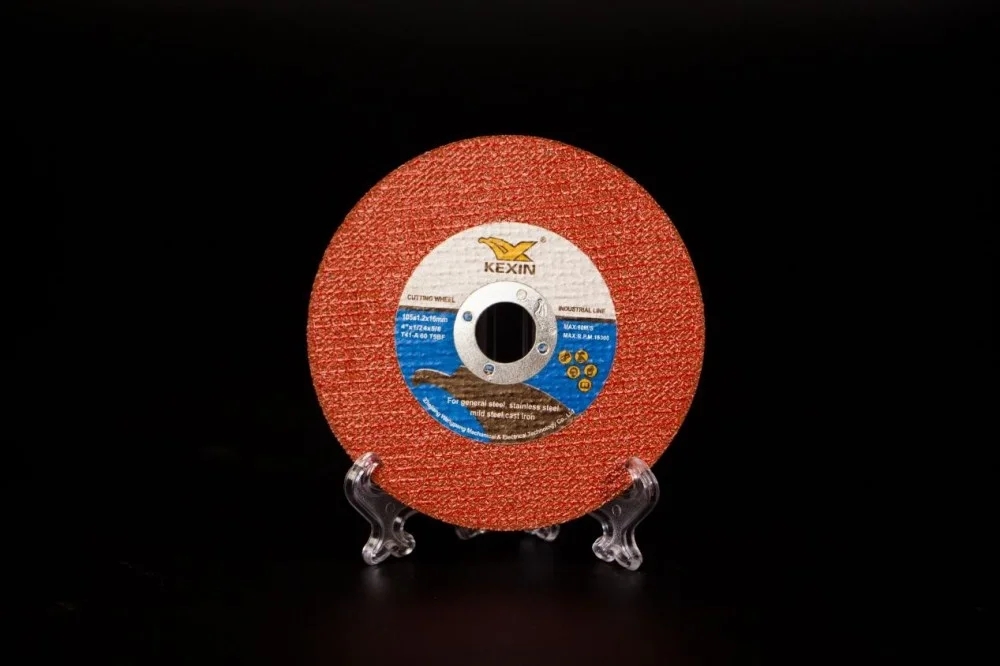
Why Cutting Wheels Matter in Metal Processing
Cutting wheels are abrasive discs specifically designed to cut a wide range of metals, including carbon steel, stainless steel, alloy steel, cast iron, and non-ferrous materials. They are commonly used in fabrication shops, automotive maintenance, shipbuilding, construction projects, and industrial manufacturing.
A premium cutting wheel offers several important advantages:
-
Higher cutting efficiency
-
Smooth and accurate cutting edges
-
Reduced burr formation
-
Lower heat generation during operation
-
Extended service life
-
Improved operational stability
To achieve these benefits, selecting the appropriate wheel for the intended application is essential.
Important Considerations When Choosing a Cutting Wheel
Select According to the Workpiece Material
Different metals require different abrasive characteristics to achieve optimal performance.
-
Carbon steel is generally processed efficiently with aluminum oxide abrasive wheels.
-
Stainless steel requires cutting wheels with minimal iron, sulfur, and chlorine content to prevent contamination and preserve corrosion resistance.
-
High-strength alloy steels demand reinforced resin-bonded wheels capable of maintaining stability under heavy loads.
-
Non-ferrous metals, such as aluminum and copper, benefit from specially formulated wheels that reduce loading and clogging.
Using an unsuitable cutting wheel often leads to excessive wear, overheating, slower cutting, and inferior surface quality.
Choose the Appropriate Wheel Thickness
Wheel thickness significantly influences both cutting speed and material removal.
Ultra-thin cutting wheels are ideal for applications requiring high precision, fast cutting speeds, and minimal material waste. Their reduced friction also helps lower heat generation.
For demanding industrial applications involving thicker materials, heavier cutting wheels provide greater durability and better resistance to mechanical stress.
Today, many manufacturers increasingly favor ultra-thin resin cutting discs because they improve productivity while reducing material loss.
Consider the Bonding Technology
The bonding material plays a major role in determining the wheel's strength, flexibility, and durability.
Resin-bonded cutting wheels have become the industry standard because they combine excellent cutting performance with reliable safety characteristics. Advanced resin formulations also improve heat resistance, reduce vibration, and minimize deformation during high-speed operation.
Evaluate Abrasive Grain Quality
The abrasive grain is responsible for removing material efficiently. High-quality abrasive particles provide:
-
Faster cutting performance
-
Better edge consistency
-
Longer wheel life
-
Reduced wear during continuous operation
Aluminum oxide and silicon carbide remain the most widely used abrasive materials, while premium cutting wheels often incorporate optimized grain structures for enhanced cutting efficiency.
Verify Maximum Operating Speed
Each cutting wheel is manufactured with a specified maximum rotational speed. Using a wheel beyond its rated RPM not only reduces cutting efficiency but may also create serious safety hazards.
Always ensure the cutting wheel matches the operating speed of the grinder or cutting machine before installation.
Manufacturing Quality Makes the Difference
Even when selecting the correct wheel specification, manufacturing quality greatly influences actual performance. Raw material consistency, precise mixing ratios, molding technology, curing processes, and quality control all determine whether a cutting wheel delivers stable results throughout its service life.
Choosing an experienced manufacturer therefore becomes equally important.
Advanced Manufacturing Expertise from Zhejiang Wangpeng Machinery & Electrical Technology Co., Ltd.
Zhejiang Wangpeng Machinery & Electrical Technology Co., Ltd. is a professional manufacturer specializing in the development, production, and distribution of resin abrasive products. Established in 1996 (formerly Yongkang Xinxin Abrasives Co., Ltd.), the company has accumulated decades of experience in abrasive technology and manufacturing.
To continually improve product quality, the company has invested heavily in fully automated grinding wheel production equipment. Automated manufacturing not only increases production efficiency but also ensures excellent consistency, dimensional accuracy, and product reliability across every batch.
Its extensive product portfolio includes:
-
High-strength resin grinding wheels
-
Ultra-thin cutting wheels
-
Flap discs
-
Specialized abrasive discs in A, WA, and GC series
These products are widely applied in metal cutting, grinding, surface finishing, and industrial fabrication where precision and durability are essential.
Among its featured products, the High Performance Cutting Wheel series is designed to deliver an excellent balance between cutting speed, wheel longevity, and operational safety. These cutting wheels are suitable for professional workshops as well as large-scale industrial manufacturing environments.
Best Practices for Achieving Maximum Performance
Selecting the right cutting wheel is only the first step. Proper operation also contributes significantly to performance and service life.
Apply Moderate Cutting Pressure
Allow the abrasive wheel to perform the cutting naturally. Applying excessive force increases friction, generates unnecessary heat, and accelerates wheel wear.
Maintain the Correct Cutting Position
Using the recommended cutting angle helps improve cutting efficiency while reducing the risk of wheel damage or uneven wear.
Store Wheels Correctly
Store cutting wheels in a dry, clean environment. Excessive humidity may weaken the bonding material and negatively affect product performance.
Perform Safety Inspections
Before each use, inspect the wheel carefully for cracks, chips, or deformation. Damaged wheels should never be installed or operated.
Common Errors That Reduce Cutting Efficiency
Many cutting problems result from improper wheel selection or incorrect operation rather than manufacturing defects.
Typical mistakes include:
-
Using one cutting wheel for multiple types of metal
-
Ignoring the wheel's maximum operating speed
-
Selecting unnecessarily thick wheels for precision work
-
Continuing to use worn or damaged cutting wheels
Avoiding these common issues can improve cutting quality, enhance workplace safety, and reduce operating costs.
Why Consistent Product Quality Is Essential
Industrial production requires not only high cutting speed but also reliable consistency. A well-manufactured cutting wheel provides predictable performance throughout its service life, resulting in:
-
Stable cutting quality
-
Reduced equipment downtime
-
Lower production costs
-
Greater operator safety
-
Improved manufacturing efficiency
Through automated production systems and strict quality management, Zhejiang Wangpeng Machinery & Electrical Technology Co., Ltd. ensures every cutting wheel delivers dependable performance even under demanding industrial conditions.
Conclusion
Selecting the appropriate high performance cutting wheel requires careful consideration of workpiece material, wheel thickness, abrasive composition, bonding technology, and operating conditions. Making the right choice can significantly improve cutting precision, productivity, equipment reliability, and overall manufacturing efficiency.
With nearly three decades of expertise in resin abrasive technology and continuous investment in advanced automated production, Zhejiang Wangpeng Machinery & Electrical Technology Co., Ltd. remains committed to supplying high-quality cutting wheels that meet the evolving requirements of modern metalworking industries. Whether for precision fabrication or heavy-duty industrial cutting, the company's abrasive solutions provide dependable performance, consistent quality, and long-term value.
www.wp-cut.com
Zhejiang Wangpeng Electromechanical Technology Co., Ltd.