In modern industrial operations, materials are expected to endure far more than ordinary wear and tear. High temperatures, corrosive chemicals, constant mechanical stress, and outdoor exposure can quickly damage conventional materials, leading to equipment downtime, maintenance costs, and potential safety risks. Because of this, industries such as power generation, chemical manufacturing, transportation, and construction increasingly rely on advanced composite materials that deliver long-term reliability.
Among these high-performance solutions, PTFE coated fiberglass cloth has become one of the most trusted options for demanding environments. By combining the strength of fiberglass with the protective characteristics of polytetrafluoroethylene (PTFE), this engineered fabric offers outstanding resistance to heat, chemicals, abrasion, and environmental exposure.
Manufacturers such as Changshu Jiangnan Fiberglass Co., Ltd. continue to drive innovation in this field, supplying advanced fiberglass composite materials for industrial applications worldwide.
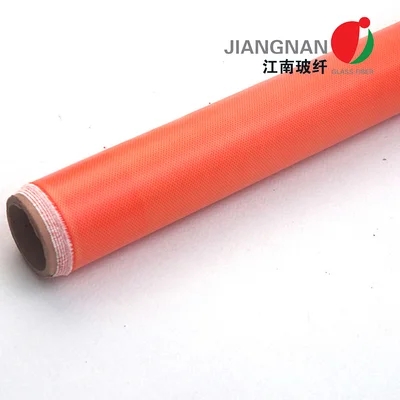
What Is PTFE Coated Fiberglass Cloth?
PTFE coated fiberglass cloth is produced by applying a PTFE layer onto woven fiberglass fabric. The resulting composite combines the advantages of both materials:
-
Fiberglass substrate provides high tensile strength, dimensional stability, and resistance to tearing
-
PTFE coating delivers excellent non-stick performance, chemical resistance, and thermal stability
This combination creates a durable industrial fabric capable of performing under conditions where standard textiles or polymer materials would quickly fail.
Key Ways PTFE Coated Fiberglass Cloth Enhances Durability
1. Excellent Resistance to High Temperatures
One of the most valuable characteristics of PTFE coated fiberglass cloth is its ability to tolerate extreme heat without losing structural integrity.
Key thermal advantages include:
-
Continuous operating temperatures up to around 260°C (500°F)
-
Resistance to short-term temperature spikes
-
Minimal thermal expansion during operation
Unlike ordinary coated fabrics that soften or deform under heat, PTFE maintains stable performance while fiberglass preserves the material’s shape and strength.
Because of these properties, the material is commonly used in:
-
Heat sealing equipment
-
Industrial drying systems
-
High-temperature conveyor belts
-
Thermal insulation covers
2. Strong Chemical Protection
Industrial processing environments often expose materials to aggressive chemicals such as acids, alkalis, oils, and solvents. PTFE is well known for its chemical inertness, making it highly resistant to corrosion and chemical reactions.
When bonded to fiberglass cloth, the PTFE layer forms a protective barrier that helps:
-
Prevent chemical penetration
-
Reduce corrosion-related damage
-
Extend operational lifespan
This makes PTFE coated fiberglass cloth particularly useful in industries including:
-
Chemical processing
-
Pharmaceutical manufacturing
-
Food processing
-
Industrial filtration systems
Even under repeated exposure to harsh cleaning agents or corrosive environments, the material maintains stable performance over long operating periods.
3. Non-Stick Surface Improves Efficiency
PTFE has extremely low surface energy, creating a highly non-stick surface that improves operational efficiency in many industrial processes.
Advantages include:
-
Reduced buildup of materials on equipment surfaces
-
Easier cleaning and maintenance
-
Lower downtime during production cycles
For example, conveyor systems used in baking, laminating, or drying operations benefit significantly from PTFE coated surfaces because processed materials are less likely to adhere during operation.
This not only improves productivity but also reduces maintenance labor and cleaning costs.
4. High Mechanical Strength and Stability
The fiberglass base layer provides the material with excellent mechanical durability. It offers:
-
High tensile strength
-
Resistance to stretching
-
Dimensional stability under stress
-
Long-term structural reliability
Even in continuous-use industrial environments, PTFE coated fiberglass cloth maintains its shape and performance characteristics.
Its balance of flexibility and strength makes it ideal for applications such as:
-
Conveyor belts
-
Expansion joints
-
Flexible insulation systems
-
Protective industrial covers
5. Reliable Weather and UV Resistance
Outdoor industrial applications require materials that can withstand sunlight, moisture, temperature fluctuations, and environmental aging.
PTFE coated fiberglass cloth performs exceptionally well in these conditions due to its:
-
UV resistance
-
Moisture resistance
-
Weathering durability
-
Long service life outdoors
These properties make it suitable for:
-
Architectural membrane structures
-
Outdoor insulation systems
-
Transportation protection covers
-
Industrial weather barriers
Industrial Applications of PTFE Coated Fiberglass Cloth
Thanks to its combination of durability and versatility, PTFE coated fiberglass cloth is widely used across many industries.
Industrial Manufacturing
-
Release sheets
-
Heat sealing tapes
-
High-temperature conveyor systems
Energy and Power
-
Thermal insulation systems
-
Wind energy composite materials
-
Protective equipment in power plants
Construction and Infrastructure
-
Fireproof blankets and curtains
-
Expansion joint materials
-
High-temperature protective barriers
Transportation
-
Vehicle thermal insulation
-
Protective coverings
-
Industrial safety components
Electronics Industry
-
Electrical insulation layers
-
High-temperature shielding materials
-
Protective composite structures
The Importance of Manufacturing Quality
The long-term performance of PTFE coated fiberglass cloth depends not only on raw materials but also on manufacturing precision and coating technology.
Changshu Jiangnan Fiberglass Co., Ltd., established in 1956, has become one of China’s major manufacturers and exporters of fiberglass composites and high-temperature materials. The company operates more than 100,000 square meters of production facilities equipped with advanced warp knitting machinery and wide-width coating lines.
Its large-scale manufacturing capabilities include:
-
50,000 tons of fiberglass-related products annually
-
2.4 million fire blankets
-
10 million meters of coated fiberglass cloth
The company’s products are used extensively in industries such as renewable energy, transportation, safety protection, construction, and electronics. Through continued investment in research and development, Jiangnan continues to improve coating technologies and advanced composite material performance.
Example of Specialized Coated Fiberglass Fabric
Different industrial environments often require specialized coatings tailored to unique operational conditions.
For example, this product demonstrates how coated fiberglass fabrics can be engineered for high-temperature applications:
Blue Acrylic Coated 2 Sides Fiberglass Cloth High Temperature Fabric Cloth
Depending on the coating type, manufacturers can improve abrasion resistance, flexibility, surface protection, or thermal performance to meet specific industrial requirements.
Important Factors When Selecting PTFE Coated Fiberglass Cloth
Choosing the right material involves evaluating several operational factors.
Coating Thickness
-
Thicker coatings generally improve chemical resistance and durability
-
Thinner coatings provide greater flexibility and lighter weight
Fabric Weight and Weave Structure
-
Heavier fabrics offer higher strength
-
Different weave patterns affect flexibility and surface texture
Operating Conditions
Consider:
-
Temperature range
-
Chemical exposure levels
-
Mechanical stress requirements
-
Outdoor or indoor use
Industry Compliance Standards
Applications may require compliance with:
-
Fire resistance regulations
-
Safety certifications
-
Industry-specific standards
Working with experienced manufacturers helps ensure the selected material matches both technical and operational requirements.
Maintenance and Service Life
Although PTFE coated fiberglass cloth is highly durable, proper maintenance practices can further extend its lifespan.
Recommended maintenance includes:
-
Regular removal of debris and residue
-
Avoiding sharp mechanical impacts
-
Monitoring high-friction areas for wear
Because of its non-stick surface, cleaning is generally easier than with many conventional industrial fabrics, helping reduce maintenance time and operational interruptions.
Future Developments in High-Performance Industrial Fabrics
As industrial systems become more advanced, demand for high-performance composite materials continues to increase. Emerging trends include:
-
Greater use in renewable energy systems
-
Development of multi-layer composite fabrics
-
Advanced coatings for specialized environments
-
Integration with intelligent monitoring technologies
Manufacturers with strong research capabilities are expected to lead the next generation of durable industrial fabrics designed for increasingly demanding applications.
Conclusion
PTFE coated fiberglass cloth has become an essential solution for industries operating in extreme environments. Its unique combination of heat resistance, chemical stability, mechanical strength, weather durability, and non-stick performance allows it to outperform many traditional industrial materials.
With decades of manufacturing experience and ongoing investment in advanced composite technology, Changshu Jiangnan Fiberglass Co., Ltd. continues to support industries worldwide with reliable high-performance fiberglass solutions.
For engineers, manufacturers, and procurement professionals, selecting the right PTFE coated fiberglass cloth is a critical step toward improving operational reliability, reducing maintenance costs, and ensuring long-term industrial performance.
www.jnglassfiber.com
Changshu Jiangnan Fiberglass Co., Ltd.