As global textile manufacturing continues to evolve, energy efficiency has become one of the most important factors influencing production costs, equipment investment, and long-term competitiveness. Modern textile mills are no longer focused only on production capacity—they are increasingly looking for ways to reduce energy usage while maintaining consistent product quality and stable operational performance.
Among all stages in textile dyeing and finishing, drying remains one of the most energy-intensive processes. Whether processing wool, cotton, acrylic, cashmere, spun silk, or blended fibers, inefficient drying systems can dramatically increase energy costs and reduce production efficiency.
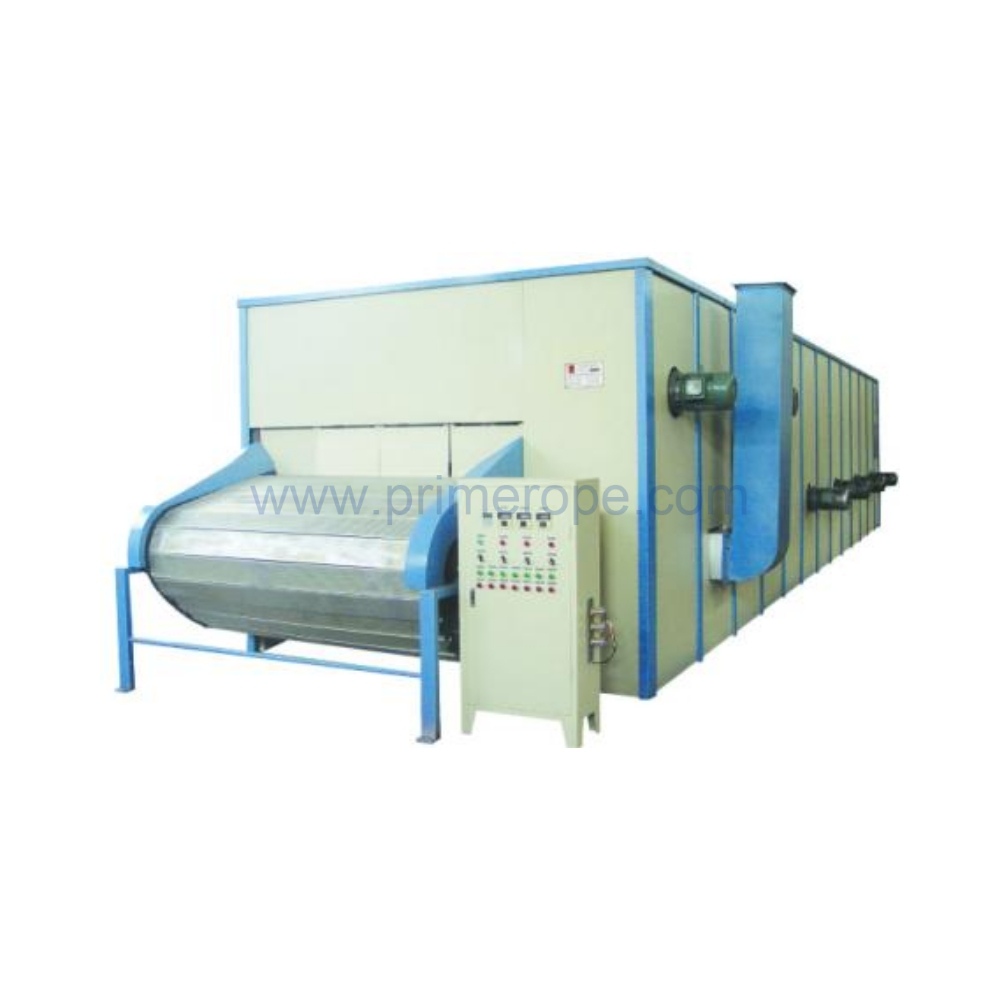
This is why advanced drying technologies such as the loose fibre dryer are becoming increasingly important in modern textile plants. Designed with optimized heat exchange structures, intelligent airflow systems, and precise temperature control, modern loose fibre dryers offer significant improvements in energy utilization and processing stability.
At Dongbao Dyeing Machine, we specialize in textile dyeing and drying equipment with a strong focus on energy-saving technologies. With more than 20 years of manufacturing experience, we continue to improve industrial drying performance through engineering innovation. One of the most effective examples is the DB loose fibre dryer, which demonstrates how modern design can reduce energy consumption while improving drying quality.
Why Fiber Drying Requires Advanced Energy Management
Loose fiber drying presents unique engineering challenges compared with fabric or yarn drying.
Loose fibers typically have:
-
High moisture retention variability
-
Low density and large surface area
-
Uneven airflow resistance
-
Sensitivity to excessive heat
Traditional drying systems often struggle with:
-
Uneven temperature distribution
-
Excessive heat loss
-
Long drying cycles
-
High energy consumption
-
Inconsistent drying quality
As a result, textile manufacturers face rising operational costs and lower production efficiency.
Modern loose fibre dryers are specifically designed to solve these issues through advanced thermal and airflow engineering.
High-Efficiency Heat Preservation Structure
One of the most important energy-saving features of the DB loose fibre dryer is its full heat preservation design.
Traditional dryers often lose large amounts of thermal energy to the surrounding environment. In contrast, the insulated structure of the loose fibre dryer helps retain heat within the system, allowing thermal energy to be used more efficiently during the drying process.
This results in:
-
Reduced energy waste
-
Lower heating demand
-
Improved temperature stability
-
More efficient fiber drying
By improving thermal retention, manufacturers can significantly reduce overall energy consumption.
Spiral Heat Exchange System Improves Thermal Efficiency
The DB loose fibre dryer uses a high-efficiency spiral radiator system to improve heat transfer performance.
Compared with conventional heating systems, the spiral heat exchange structure:
-
Increases effective heat transfer area
-
Improves thermal distribution consistency
-
Enhances drying uniformity
-
Reduces overall energy input requirements
This allows fibers to dry effectively without relying on excessively high operating temperatures.
Intelligent Multi-Zone Temperature Control
Modern textile production requires precise process control, especially when handling different fiber types.
The loose fibre dryer uses a multi-zone temperature control system that allows operators to independently adjust different sections of the drying chamber.
This creates several important advantages:
-
Prevents overheating in low-moisture areas
-
Optimizes heat usage across the machine
-
Reduces unnecessary energy consumption
-
Improves final product consistency
Instead of applying the same heat level throughout the entire system, energy is distributed only where needed.
Optimized Airflow Design Reduces Drying Time
Airflow management is another critical factor in drying efficiency.
The DB loose fibre dryer supports both:
-
Top blowing airflow mode
-
Bottom suction airflow mode
This flexible airflow design allows the machine to adapt to different fiber materials and moisture conditions.
Efficient airflow provides:
-
Faster moisture removal
-
More uniform drying
-
Reduced processing time
-
Lower thermal energy demand
By improving moisture extraction efficiency, the system reduces the total energy required per production batch.
Inverter-Controlled Conveyor System Enhances Efficiency
The stainless steel mesh conveyor system is equipped with inverter control technology, allowing operators to adjust transport speed according to actual drying requirements.
This creates several operational benefits:
-
Better synchronization between drying and feeding
-
Reduced mechanical energy waste
-
Improved process stability
-
Lower equipment stress
The ability to dynamically adjust conveyor speed helps optimize both production efficiency and energy utilization.
Continuous Operation Supports Stable Energy Usage
Unlike traditional batch systems, the loose fibre dryer is designed for continuous production.
Continuous operation offers major energy advantages:
-
Stable thermal balance
-
Reduced startup and shutdown energy loss
-
Improved production throughput
-
More consistent drying conditions
For large textile factories, continuous drying systems are essential for maintaining high production efficiency and minimizing energy fluctuations.
Suitable for Multiple Fiber Types
The DB loose fibre dryer is designed to process a wide range of textile fibers, including:
-
Wool
-
Cashmere
-
Cotton
-
Acrylic fibers
-
Spun silk
-
Blended textile materials
Because different fibers require different drying conditions, the system’s flexible temperature and airflow controls help maintain optimal performance across various applications.
Real Energy Savings for Textile Manufacturers
Drying systems are often one of the largest sources of energy consumption in textile manufacturing plants.
By combining:
-
Advanced heat preservation
-
Efficient heat exchange
-
Intelligent airflow management
-
Multi-zone temperature control
-
Continuous processing design
modern loose fibre dryers help manufacturers:
-
Lower operating costs
-
Reduce energy intensity
-
Improve production efficiency
-
Increase product consistency
-
Support sustainable manufacturing goals
These advantages are becoming increasingly important as textile producers face rising energy costs and stricter environmental standards.
Dongbao’s Commitment to Energy-Saving Textile Machinery
Wuxi Dongbao Machinery Co., Ltd specializes in:
-
Fabric dyeing machines
-
Package yarn dyeing equipment
-
Loose fibre dyeing systems
-
Energy-saving textile finishing machinery
With more than two decades of industry experience and cooperation with international technology partners, Dongbao continues to develop textile machinery solutions focused on efficiency, reliability, and sustainable production.
The DB loose fibre dryer reflects our commitment to combining advanced engineering with practical energy-saving performance for modern textile manufacturers.
Conclusion
Energy efficiency has become a critical priority in modern textile manufacturing, especially in high-consumption processes such as fiber drying.
Through advanced thermal insulation, spiral heat exchange systems, intelligent airflow control, and continuous processing design, the loose fibre dryer offers an effective solution for reducing energy consumption while maintaining stable drying quality.
As textile manufacturers continue moving toward smarter and more sustainable production systems, modern drying technologies like the DB loose fibre dryer will play an increasingly important role in improving operational efficiency and long-term competitiveness.
www.primerope.com
Dongbao Machinery