As electronic devices continue to become smaller and more powerful, thermal management has become one of the most important challenges in modern electronic design. Components such as IGBTs, power transistors, diodes, power amplifiers, and switching power supplies can generate significant heat during operation.
At the same time, these components often operate at relatively high voltages and are installed close to conductive parts. This means that effective heat dissipation must be achieved without compromising electrical insulation.
High-quality insulation caps offer a practical solution to this challenge. Made from specially formulated silicone materials, thermally conductive insulation caps can combine heat transfer, electrical isolation, mechanical protection, and convenient installation in a compact component.
Why Thermal Management and Electrical Insulation Must Work Together
In many electronic systems, heat and electrical safety are closely related. Excessive heat can accelerate component aging, reduce operating stability, and shorten service life. However, simply connecting a heating component directly to a metal heat sink may create electrical safety risks.
Traditional insulating materials can prevent electrical contact, but some may also create an additional barrier to heat transfer. This can increase thermal resistance and make cooling more difficult.
A thermally conductive silicone insulation cap is designed to address both requirements. It helps maintain electrical separation while providing a thermal path between the heat-generating component and the surrounding cooling structure.
This combination is particularly valuable in compact power electronics, where available installation space is limited and components are positioned close together.
What Is a Thermally Conductive Insulation Cap?
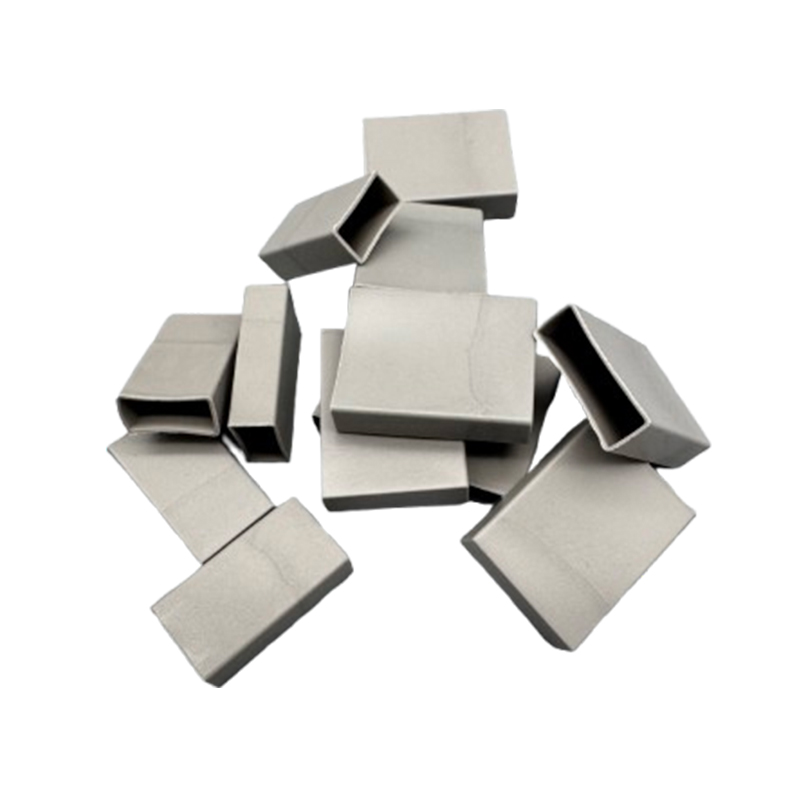
An insulation cap is generally a sleeve-shaped silicone component designed to cover or fit around a heat-generating electronic component. Depending on the application, it may be used with power transistors, diodes, IGBT components, triodes, and other electronic devices.
Unlike a conventional insulating sleeve that focuses primarily on electrical protection, a thermally conductive silicone cap is engineered to support heat transfer as well.
Depending on the material formulation and product structure, thermal conductivity may typically range from approximately 0.5 to 1.5 W/m·K. The exact performance depends on the specific application and material design.
When properly installed, the insulation cap can help transfer heat toward a heat sink, cooling fin, or heat spreader while maintaining electrical isolation from surrounding conductive structures.
Supporting Heat Dissipation in Compact Electronic Systems
Modern electronic products often have increasingly compact internal layouts. Smaller circuit boards, higher power density, and limited installation space make traditional thermal management solutions more difficult to apply.
A silicone insulation cap can be positioned directly around a heating component, helping create a more efficient connection between the component and the cooling structure.
The flexibility and conformability of silicone materials can also help accommodate minor dimensional differences and surface irregularities. This can improve contact conditions and help reduce unnecessary air gaps that may increase thermal resistance.
In systems such as:
-
Switching power supplies
-
UPS equipment
-
Power conversion systems
-
Automotive electronics
-
Power amplifiers
stable heat dissipation is essential for maintaining reliable operation over extended periods.
By helping manage operating temperatures, an appropriately selected insulation cap can support improved thermal stability and reduce the impact of excessive heat on sensitive components.
Electrical Insulation for High-Voltage Components
Thermal performance is only one part of the equation. Many power electronic components operate under high-voltage conditions, making reliable electrical insulation equally important.
A properly designed silicone insulation cap forms a protective barrier between the component and nearby conductive materials. This can help reduce the risk of accidental contact, leakage currents, and short circuits.
For IGBTs, power transistors, diodes, and similar components, the insulation cap can help maintain the required electrical separation while still supporting heat transfer.
This dual function is especially useful in compact electronic assemblies where thermal components and electrical components are installed in close proximity.
Rather than using separate components for insulation and thermal management, manufacturers may be able to simplify the assembly by using an integrated insulation solution.
Silicone Conformability Helps Simplify Assembly
Manufacturing tolerances are unavoidable in electronic assemblies. Component dimensions, heat sink surfaces, and mounting structures may all have minor variations.
A rigid insulating component may not always accommodate these differences effectively. Silicone materials, however, offer a degree of flexibility and surface conformability that can help improve contact during assembly.
This can be beneficial in high-volume production environments, where consistent installation is important.
A sleeve-style insulation cap can also simplify the assembly process compared with systems that require multiple separate parts, such as insulation films, washers, and additional protective components.
Fewer individual parts may help reduce assembly steps, improve production efficiency, and minimize the possibility of installation errors.
Flame Retardancy and Material Safety
Safety requirements are becoming increasingly important across the electronics industry. Power supplies, automotive electronic systems, communication equipment, and household appliances may operate continuously for long periods.
Material selection therefore plays an important role in overall product safety.
Depending on the material formulation, silicone insulation caps can offer flame-retardant performance and improved resistance to heat-related risks. These characteristics can be particularly valuable in electronic assemblies where components may operate at elevated temperatures.
However, the selected material should always be matched to the actual application requirements, including:
-
Operating temperature
-
Electrical voltage
-
Thermal conductivity
-
Mechanical stress
-
Flame-retardant requirements
-
Environmental conditions
Choosing the right material specification is essential for achieving reliable long-term performance.
Applications in Power Electronics and Automotive Systems
The application range of insulation caps continues to expand as electronic systems become more sophisticated.
Power Electronics
IGBT modules, power transistors, and other semiconductor components generate heat during operation. Thermally conductive insulation caps can help manage heat while maintaining electrical isolation from metal cooling structures.
Switching Power Supplies and UPS Systems
Power conversion equipment often operates continuously and may experience significant thermal loads. An insulation cap can support thermal management in compact internal layouts while improving electrical protection.
Power Amplifiers
High-power amplifiers can generate considerable heat during extended operation. Effective thermal management helps maintain stable performance and can support longer component service life.
Automotive Electronics
Modern vehicles contain increasingly complex electronic systems, including power control modules, charging systems, and other high-power electronic components.
These systems often operate under demanding conditions involving vibration, temperature variation, and limited installation space. Reliable insulation and thermal management are therefore important considerations.
Why Manufacturing Consistency Matters
The performance of an insulation cap depends on more than the basic silicone material. Dimensional accuracy, thermal conductivity consistency, surface quality, compression performance, and production control can all influence application results.
For electronics manufacturers, batch-to-batch consistency is especially important. Variations in product dimensions or material properties may create assembly difficulties and affect thermal performance.
A professional supplier should therefore have the ability to control material formulation, manufacturing processes, product dimensions, and final inspection standards.
Dubang Materials develops and manufactures a range of thermal management and insulation products, including thermally conductive silicone pads, thermal gels, thermal grease, potting compounds, phase change materials, thermal insulation sheets, thermally conductive adhesives, graphite sheets, high-temperature thermal ceramic sheets, and insulation caps.
These solutions are used across applications such as automotive electronics, power supplies, LED lighting, network communications, smart devices, household appliances, and other electronic products.
A Compact Solution for Modern Thermal Management
As electronic systems continue to become smaller while delivering higher power output, designers need solutions that can address several engineering challenges at the same time.
A high-quality thermally conductive insulation cap can provide a combination of:
-
Electrical insulation
-
Heat transfer
-
Flame retardancy
-
Mechanical protection
-
Surface conformability
-
Convenient installation
This makes it a useful component for a wide range of modern electronic applications.
For manufacturers developing power supplies, automotive electronic systems, UPS equipment, power amplifiers, and other high-density electronic products, the right insulation cap can help improve thermal management while simplifying the overall assembly structure.
Conclusion
Thermal management and electrical insulation are no longer separate considerations in modern electronic design. As component power density continues to increase, manufacturers need materials that can help control heat without compromising electrical safety.
Thermally conductive silicone insulation caps provide a practical solution by combining heat dissipation, electrical isolation, mechanical protection, and easy installation in a compact design.
For the best results, manufacturers should select insulation caps based on the specific operating temperature, voltage, thermal requirements, component dimensions, and environmental conditions of the application.
With the support of an experienced thermal management materials manufacturer, electronics companies can develop more reliable and efficient solutions for today's increasingly compact and high-performance electronic systems.
www.siliconethermal.com
Dubang