In biomass processing and other bulk material industries, grinding operations such as hammer milling are widely used for size reduction. However, these processes also generate large amounts of fine dust, which can create serious explosion risks if not properly controlled.
Dust explosions are a real and well-documented industrial hazard. They can damage equipment, halt production, and pose significant safety risks to workers. Because of this, dust control and explosion prevention have become top priorities in modern industrial plant design.
One of the most effective safety solutions is the use of explosion-proof raw material bins, which help manage material flow while reducing the risk of dust-related explosions.
Understanding Dust Explosion Risks in Grinding Systems
Dust explosions occur when fine combustible particles become suspended in air and meet an ignition source. In hammer milling and biomass processing environments, all required conditions can exist at the same time:
-
Fine combustible dust (wood, biomass, agricultural waste)
-
Oxygen in the air
-
Confined or semi-confined equipment spaces
-
Ignition sources such as sparks, friction, or static electricity
Even a small ignition source can trigger a rapid and destructive explosion under these conditions.
Common high-risk areas include:
-
Material feeding systems
-
Hammer mill chambers
-
Dust collection units
-
Storage and buffering bins
This makes raw material storage systems a key control point in explosion prevention.
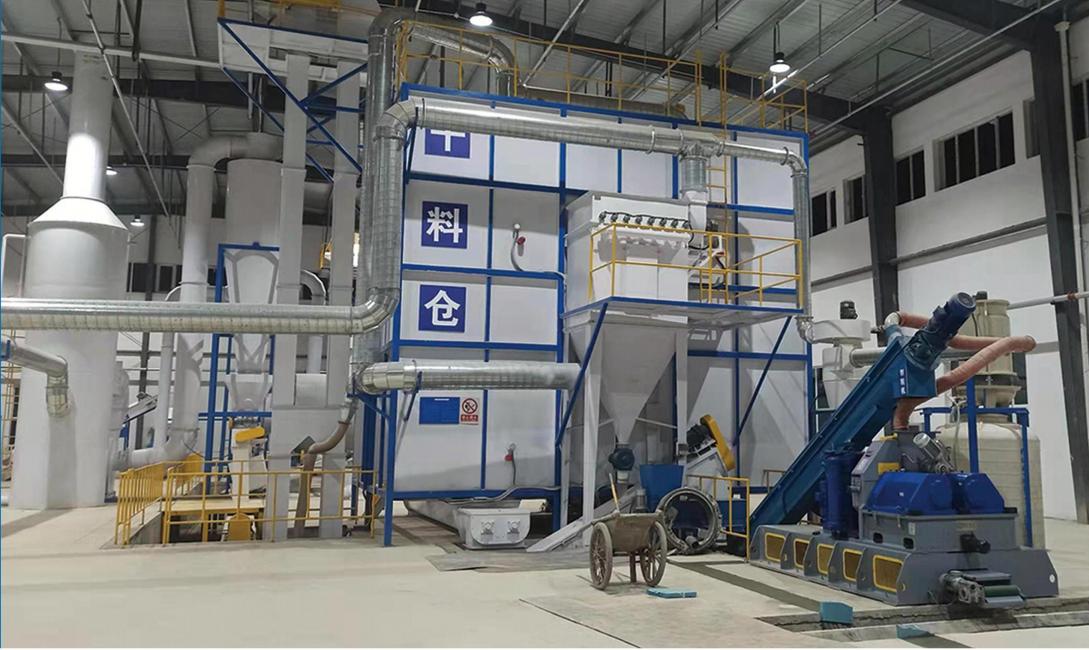
What Are Explosion-Proof Raw Material Bins?
Explosion-proof raw material bins are not simple storage containers. They are engineered safety systems designed to store, buffer, and transport bulk materials while minimizing explosion risks.
They are typically installed before or after grinding equipment and serve several important functions:
-
Temporary material storage
-
Process buffering for stable feeding
-
Dust containment and reduction
-
Explosion risk mitigation
Key Safety Features and Working Principles
1. Pressure Relief Explosion Protection
In the event of an internal explosion, pressure relief panels or vents activate automatically to release pressure in a controlled direction.
This helps to:
-
Prevent structural failure
-
Avoid secondary explosions
-
Protect surrounding equipment and operators
2. Negative Pressure Dust Removal System
Dust accumulation is one of the biggest explosion risks. These bins often use a negative pressure system to continuously control airborne dust.
Working principle:
-
Maintains slight negative pressure inside the bin
-
Continuously extracts dust particles
-
Uses pulse cleaning to keep filters efficient
This significantly reduces the concentration of combustible dust in the air.
3. Spark Detection and Suppression
Mechanical friction or metal impurities can generate sparks during material transport.
To prevent ignition:
-
Spark detection systems monitor incoming material flow
-
Automatic suppression systems activate immediately when sparks are detected
-
Hazardous particles are neutralized before entering critical zones
4. Intelligent Level Monitoring
Material level control is essential for safe operation.
Typical features include:
-
Upper and lower level sensors
-
Real-time material volume monitoring
-
Automated feeding control
This helps prevent overfilling, blockage, and abnormal pressure buildup.
5. Motor Protection and Alarm Systems
Equipment failures such as motor stalls can generate heat and increase ignition risks.
Safety functions include:
-
Motor overload and stall detection
-
Automatic shutdown response
-
Alarm notification for operators
This ensures early intervention before hazards escalate.
Process Stability and Buffering Benefits
Beyond safety, explosion-proof raw material bins also improve production stability.
Key advantages:
-
Stable and continuous feeding to hammer mills
-
Reduced load fluctuations
-
Improved grinding efficiency
-
Lower equipment wear and downtime
By acting as a buffer between process stages, they help maintain smooth and consistent operation.
Dust Control and Environmental Performance
Dust control is not only a safety requirement but also an environmental necessity.
These systems help:
-
Reduce dust leakage into the workspace
-
Maintain cleaner production environments
-
Support regulatory compliance
-
Improve worker health and safety conditions
Application in Biomass Processing Systems
In biomass pellet production and similar industries, raw material bins are a critical part of the system layout.
They are commonly used:
-
Before hammer mills for raw material feeding
-
After dryers for temporary storage
This ensures:
-
Continuous production flow
-
Reduced system downtime
-
Better coordination between process stages
Engineering and Design Considerations
To perform reliably in industrial environments, explosion-proof bins must meet strict design requirements:
-
High structural strength for pressure resistance
-
Excellent sealing performance
-
Efficient dust collection integration
-
Full compatibility with automation systems
These factors ensure long-term operational safety and stability.
Intelligent Control and Automation
Modern explosion-proof systems are increasingly automated.
They support:
Real-time process monitoring
Automated safety responses
Centralized control system integration
Data-based operational optimization
This reduces manual intervention and improves overall plant safety.
Conclusion
Explosion-proof raw material bins play a vital role in biomass grinding and bulk material processing systems. They combine storage, buffering, and advanced safety technologies to effectively reduce dust explosion risks.
At the same time, they improve process stability, enhance efficiency, and support environmental compliance.
As industrial safety standards continue to rise, explosion-proof storage systems are becoming an essential—not optional—part of modern production lines.
www.bsr-wood.com
Beisier