
You want your men's Heat-Applied Sweatshirt to stand out in 2026. Finery Clothing knows how to help you achieve this. They utilize innovative heat transfer methods and high-quality materials, ensuring your sweatshirt not only looks great but also lasts longer. As a leading ODM/OEM manufacturer for trendy brands, Finery Clothing provides you with the latest insights from the industry.
-
The men's hoodies segment is projected to grow by 4.9% annually from 2026 to 2035.
-
In 2026, men's apparel is expected to generate USD 31.43 billion, representing the largest share of the hoodies market.
Key Takeaways
-
Pick good fabrics like cotton or blends for better heat transfer.
-
Use new heat transfer methods like HEXON for designs that last.
-
Stay stylish by using eco-friendly materials and special printing styles.
-
Make sure designs are placed and lined up right for a neat look.
-
Follow care steps to keep your sweatshirts looking nice and lasting long.
Heat Transfer Methods 2026
Men's Heat-Applied Sweatshirt Techniques
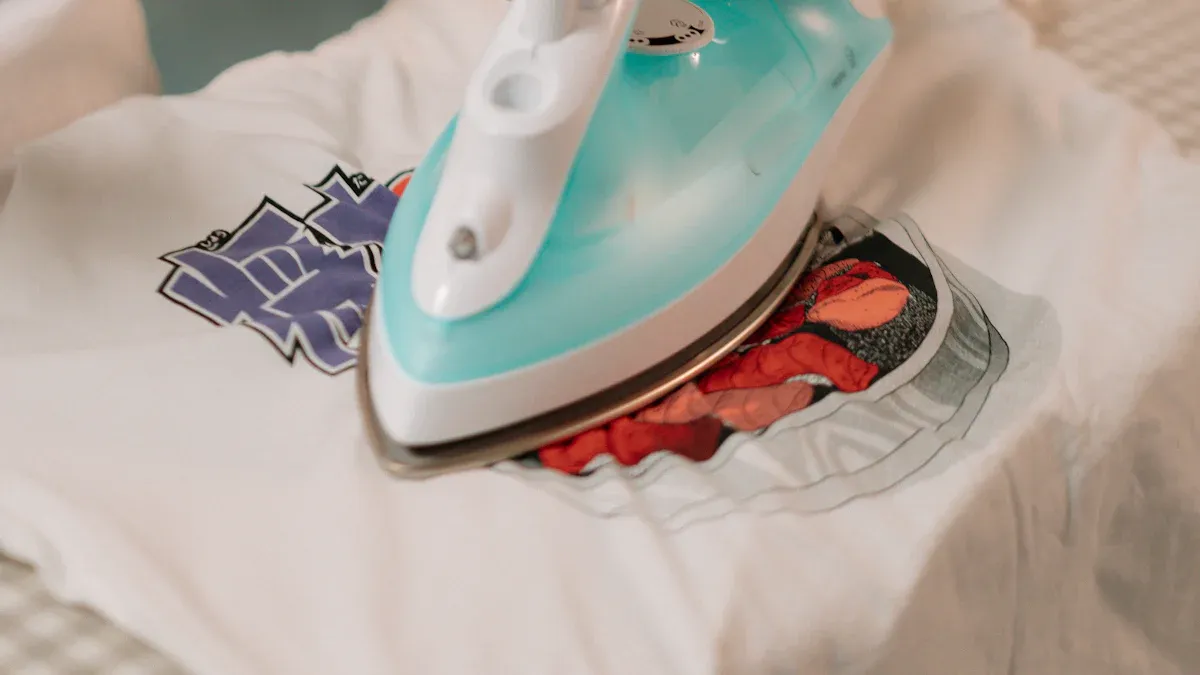
You want your sweatshirts to look cool and last long. In 2026, you can use new heat transfer methods for better results. HEXON Heat Technology is great for men's sweatshirts. This method heats up fast and covers a big area. It keeps you warm for a long time. You can find HEXON in gear like the M12 Heated Hoodie. It can keep you warm for eight hours on low. When you use heat transfer, you can pick HTV, sublimation, or DTF. Each way lets you make a special design. You can add colors, details, and make your sweatshirt unique.
New Materials and Innovations
You have lots of choices for sweatshirt materials in 2026. Here are some new ones you can use:
-
Heat Transfer Vinyl
-
Canvas Fabric
-
Flexible PU Vinyl
-
Holo PU Vinyl
-
Lustre Vinyl
-
Masking Film Tape
-
Regular Vinyl
-
Subli Satin Vinyl
-
Glitter Vinyl
-
Sublimation Vinyl
-
Silicone Vinyl
-
UV Sensitive Vinyl
-
Chameleon Vinyl
-
Luminous Vinyl
-
Shimmer Vinyl
-
Printed Design Vinyl
-
Hologram Vinyl
-
Soft Metallic Vinyl
-
Flock Vinyl
-
3D Puff Vinyl
-
Reflective Vinyl
-
Pattern Foil Vinyl
-
Printable Vinyl
You can mix these materials to get the style you want. Try glitter or shimmer vinyl for a bright look. Use reflective or luminous vinyl for safety and cool style. These new materials help your sweatshirts stay trendy.
Trends in Custom Sweatshirts
You want your sweatshirts to match the newest trends. In 2026, three big trends are popular. First, people care about the planet. Many pick eco-friendly materials like organic cotton, recycled polyester, and bamboo blends. Second, you can use new printing styles. Rhinestone designs, big logos, and puff printing add texture and style. Third, luxury and streetwear mix together. Fancy brands add luxury touches to sweatshirts. This makes them stylish and comfy. You can use these trends to make sweatshirts that stand out and fit what people like.
Choosing Sweatshirts for Customization

Fabric and Fit Guide
You want your custom sweatshirts to look good and feel nice. The fabric you choose changes how your design will look. Some fabrics keep you warmer, but others let air in. Look at this table to see how each fabric works for sweatshirts:
|
Fabric Type |
Heat Retention |
Breathability |
Moisture Management |
|---|---|---|---|
|
Thermal knits |
High |
Low |
Moderate |
|
High-end cotton or wool blends |
Moderate |
High |
Moderate |
|
Wool and fleece |
Very High |
Moderate |
Low |
|
Polyester blends with spandex |
Low |
High |
High |
|
Cotton-poly blends |
Moderate |
High |
Moderate |
|
Fleece and French terry |
High |
Moderate |
Low |
|
Natural fibers (e.g., cotton) |
Moderate |
High |
High |
|
Moisture-wicking fabrics |
Low |
High |
Very High |
Think about who will wear the sweatshirt when you pick a fit. Loose fits are good if you want to wear layers. Slim fits help show off your design. Color is important too. Light colors make bright designs stand out. Dark colors look cool with shiny or reflective prints.
Sourcing Quality Custom Sweatshirts
You want your sweatshirts to last long and feel soft. Pick sweatshirts made from good materials like cotton or fleece. Good custom sweatshirts let you pick logos, colors, and patterns. Choose a company that can make small or big orders. Fast service helps you get your sweatshirts quickly. It is great if the company uses eco-friendly materials. New machines help make every detail look perfect. Many fits and styles help you follow any trend.
Finery Clothing’s Supply Chain Advantage
Finery Clothing gives you lots of choices for custom sweatshirts. You can pick the fabric, logo, color, size, and style you want. Their printing lets you add special details to your sweatshirts. Finery Clothing’s supply chain is quick and flexible. You get the same good quality every time you order. Their team helps you from start to finish, so your sweatshirts turn out just right.
Design Prep for Custom Sweatshirts
Design Tools and Software
You want your custom sweatshirt to look neat and cool. The right design tools help a lot. Some software shows your design on real fabric. Other programs help you make patterns or change small things. Here is a quick look at some top choices:
|
Software |
Pros |
Cons |
|---|---|---|
|
Marvelous Designer |
Realistic 3D garment simulation, easy pattern creation |
Steep learning curve, expensive |
|
PolyPattern |
Accurate tools, supports 2D/3D, customizable templates |
Limited advanced features, higher cost |
|
Optitex |
Advanced pattern making, virtual prototyping |
Requires training, high cost |
|
PatternSmith |
User-friendly, comprehensive tools |
Limited advanced features, can be slow |
|
CorelDRAW |
Industry-leading tools for CAD garments |
N/A |
Marvelous Designer lets you see your design in 3D. PolyPattern helps you make patterns that fit well. Optitex lets you test your design before printing. PatternSmith is good for beginners and experts. CorelDRAW is great for making clothes and layouts.
Sizing and Placement Tips
Getting the size and spot right makes your sweatshirt pop. You want your design to be easy to see and look even. Here are some tips:
-
Make sure the logo or picture is always easy to see, even if the hood is down.
-
Put the design higher, near the shoulders, if you want it to show with the hood up.
-
Try a partly covered logo for a cool look.
For different sweatshirt styles, you have choices:
-
Pullover hoodies: Put logos on the left chest (3–4 inches), big designs in the center front, or small logos on the upper back.
-
Zip-up hoodies: Put small logos on the left or right chest, words on the sleeves, or a logo on the upper back.
-
Oversized or streetwear: Use the center back or full back, big prints on the front, or put designs near the pocket.
-
Cropped or fitted: Put a logo on the left chest or lower hem, a small logo on the upper back, or embroidery on the sleeve cuff.
Keep left chest prints about 3 to 4 inches wide and tall. Center front prints look best at 8 to 12 inches.
File Formats and Print Readiness
You want your design to print clear and sharp. The right file type helps you get the best look. Here is a quick guide:
|
File Format |
Description |
|---|---|
|
PNG |
Supports see-through parts and keeps good quality. Great for detailed designs. |
|
JPG |
Good for photos but does not have see-through parts. |
|
TIFF |
High quality, best for detailed pictures. |
Always check your file before you send it to print. Make sure your design is the right size and clear. Using the right file type helps your sweatshirt look just how you want.
Step-by-Step Customization Guide
You want your sweatshirts to look sharp and last a long time. This guide walks you through each step for customizing men's sweatshirts with heat transfer methods. You will learn how to prep your garment, apply the transfer, and finish with a quality check. Follow this guide for successful heat transfers every time.
Prepping the Sweatshirt
Start with a clean workspace. Dust, lint, or debris can ruin your custom design. Use a sticky lint roller to pick up anything on the fabric. If you wash the sweatshirt first, skip the fabric softener. Lay the sweatshirt flat on your heat press or table. Smooth out any wrinkles with your hands.
Next, press the sweatshirt for 5 to 10 seconds using medium pressure. This step removes moisture and flattens the fabric. You want a smooth surface for customizing. Make sure the seams line up and the garment sits straight. This helps with perfect alignment later.
Quick Prep Checklist:
-
Wash without fabric softener (if needed).
-
Remove lint and dust.
-
Lay flat and smooth out wrinkles.
-
Pre-press for 5–10 seconds.
Applying Heat Transfer
Now you are ready to add your custom design. Place the transfer film on the sweatshirt. Use a ruler or your fingers to check the center. For best results, fold the film in half and match it to the centerline of the garment. Some people use a laser or grid to help with alignment. If you want, use heat tape to keep the film from sliding.
Check the table below for the right temperature, time, and pressure. These settings help you get successful heat transfers on different fabrics.
|
Fabric Type |
Temperature |
Time |
Pressure |
|---|---|---|---|
|
Cotton |
310°F (154°C) |
15 seconds |
High (60 psi) |
|
Blends |
300–310°F (149–154°C) |
12–15 seconds |
High (60 psi) |
|
Polyester |
285–300°F (140–149°C) |
10–12 seconds |
High (60 psi) |
|
Siser HTV |
280°F |
10–15 seconds |
Medium/Firm |
|
Express Iron-On |
300°F |
15 seconds |
Firm |
Set your heat press to the right settings. Press down firmly and keep the pressure even. When the timer goes off, lift the press and peel the film. Some films need to cool before peeling, so check the instructions.
Tips for Perfect Alignment:
-
Check seams and folds before pressing.
-
Use a laser or grid for the centerline.
-
Hold the film with heat tape if needed.
-
Double-check with your fingers or a ruler.
Finishing and Quality Check
You want your custom sweatshirts to look professional. After pressing, check the edges of the design. Make sure everything sticks well and nothing peels up. Look for smooth lines and even placement.
Use this checklist to finish strong:
-
Check symmetry and placement.
-
Feel the edges to make sure they are smooth.
-
Look for any missed spots or bubbles.
-
If you see a problem, cover with parchment paper and press again.
You can use tools like rulers, T-squares, and alignment grids to help. For sweatshirts with pockets or seams, use a press pad or pillow to lift the area. This helps you get even pressure.
A good quality check means your custom sweatshirts will last longer and look better. This guide helps you avoid mistakes and get successful heat transfers every time. Now you are ready to start customizing with confidence
www.ncfineryclothing.com
Finery Clothing