In the fast-paced world of FPV (First-Person View) racing drones, precision, responsiveness, and reliability are paramount. Every component of an FPV drone contributes to its performance, but one element often overlooked by beginners is the Electronic Speed Controller (ESC). ESCs play a critical role in managing the drone's motors, translating pilot commands into rapid, precise motor adjustments that dictate speed, agility, and stability. Understanding ESCs is essential for any FPV racing drone enthusiast or professional builder aiming to optimize performance.
What is an Electronic Speed Controller?
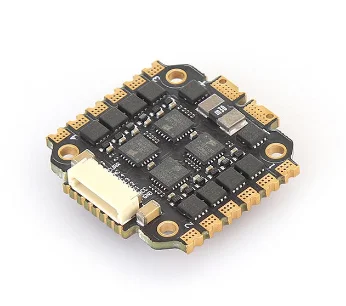
An Electronic Speed Controller (ESC) is an electronic circuit that regulates the speed, direction, and braking of an electric motor. In FPV drones, ESCs are tasked with controlling the brushless motors that drive the propellers. Unlike standard RC vehicles, FPV drones require highly responsive ESCs that can handle rapid throttle changes without introducing lag or instability.
At its core, an ESC functions as the intermediary between the flight controller and the motor. The flight controller sends PWM (Pulse Width Modulation) signals, which the ESC interprets and converts into the appropriate voltage and current to power the motor. Modern ESCs use advanced techniques like BLHeli, KISS, and DShot protocols to improve precision and reduce latency.
Types of ESCs for FPV Racing Drones
Selecting the right type of ESC is critical for performance. ESCs differ based on timing protocols, amperage capacity, form factor, and firmware compatibility.
1. Standard vs. BLHeli ESCs
Early ESCs were simple devices that only adjusted voltage in response to throttle input. Modern ESCs for FPV racing often use BLHeli firmware, which provides features such as active braking, damped light, and programmable settings. BLHeli ESCs are known for smooth motor response and higher efficiency, making them a top choice for racing drones.
2. Multishot, DShot, and OneShot Protocols
Communication protocols define how quickly and reliably the flight controller sends commands to the ESC.
-
OneShot125/42: Provides faster updates than traditional PWM, improving motor responsiveness.
-
Multishot: Further reduces latency, ideal for high-performance freestyle and racing drones.
-
DShot: Digital signal protocol that eliminates signal jitter, allows telemetry data, and improves reliability.
For FPV racing, DShot ESCs are increasingly popular due to their accuracy, speed, and error detection capabilities.
3. 2-in-1 vs. Individual ESCs
Some FPV drones use 2-in-1 ESC boards integrated into an F4 or F7 flight controller, saving space and reducing wiring complexity. Traditional setups use individual ESCs for each motor, offering more flexibility and easier replacement if one fails. The choice depends on the drone frame, weight constraints, and personal preference.
Key Specifications of FPV ESCs
Understanding ESC specifications is essential to match them with your drone’s motors and batteries.
1. Current Rating (Amperage)
ESCs are rated by the maximum continuous current they can handle, usually in amperes (A). A 30A ESC can supply up to 30A continuously to the motor without overheating. For FPV racing drones with high KV motors, choosing an ESC with 20-30% higher current capacity than peak motor draw is recommended to ensure safety and longevity.
2. Voltage Compatibility
ESCs must match the voltage of your LiPo battery. Common FPV setups use 4S (14.8V) or 6S (22.2V) batteries. Using an ESC with lower voltage tolerance can lead to overheating or failure, while one with higher tolerance adds unnecessary weight.
3. BEC (Battery Eliminator Circuit)
Some ESCs feature BECs, which supply power to the flight controller and onboard electronics, eliminating the need for a separate power module. BEC voltage and amperage must match the flight controller’s requirements.
4. Firmware and Upgradeability
Modern ESCs allow firmware upgrades through tools like BLHeliSuite or KISS GUI. Firmware updates can improve motor response, reduce latency, and enable new features like bidirectional DShot telemetry, which provides real-time motor data to the flight controller.
How ESCs Impact FPV Racing Performance
The performance of an FPV drone is heavily influenced by ESC choice. Here’s how:
1. Throttle Responsiveness
In FPV racing, split-second throttle adjustments are crucial for navigating tight turns and obstacles. ESCs with higher refresh rates and digital protocols like DShot respond faster than traditional analog PWM, providing snappier and more predictable control.
2. Motor Efficiency
Efficient ESCs convert battery power into motor output with minimal loss. This translates to longer flight times and reduced heat generation. Overheating ESCs can throttle the motors, reducing speed and responsiveness mid-race.
3. Braking and Stopping
Some ESCs provide active braking, which allows the drone to stop propellers quickly. This is critical for precise aerial maneuvers, flips, and sharp corners. Without proper braking, drones may feel “floaty” and harder to control.
4. Reliability
A high-quality ESC reduces the risk of mid-flight failure. Racing drones experience rapid current spikes, vibrations, and high temperatures. ESCs rated for higher current and equipped with thermal protection can prevent crashes caused by electronics failure.
Common Issues with FPV ESCs
Even the best ESCs can encounter problems. Understanding these issues helps with troubleshooting:
1. Overheating
Caused by exceeding current limits or insufficient cooling. Symptoms include smoke, melted wires, or intermittent motor cutouts. Solutions involve upgrading to higher-rated ESCs or improving airflow.
2. Signal Noise and Jitter
Analog ESCs may introduce jitter during rapid throttle changes, affecting stability. Switching to digital protocols like DShot or using shielded wiring can minimize this.
3. Motor Stuttering or Desync
Improper ESC calibration or mismatched firmware can cause motors to stutter, skip steps, or desync. Regular calibration and firmware updates are essential for peak performance.
4. Battery Compatibility
Using an ESC not rated for the battery voltage or cell count can cause voltage sag or ESC failure. Always verify compatibility with your LiPo pack.
Choosing the Right ESC for Your FPV Racing Drone
Selecting the perfect ESC depends on multiple factors:
1. Drone Type and Weight
-
Micro drones (<250g): Lightweight ESCs with lower amperage are sufficient.
-
Racing and freestyle drones (250–500g): High-performance ESCs with 30–45A ratings provide faster response and reliability.
-
Heavy drones (>500g): Industrial-grade ESCs capable of 50A+ may be required.
2. Motor KV Rating
Higher KV motors spin faster but draw more current. ESCs must be rated to handle the peak current draw without overheating.
3. Flight Style
-
Racing: Prioritize fast refresh rates (DShot, Multishot), active braking, and efficient heat management.
-
Freestyle/acro: Smooth motor response and bidirectional control enhance maneuverability.
-
Long-range FPV: Efficiency and reliability may outweigh raw speed; consider ESCs with lower power loss and thermal protection.
4. Firmware and Community Support
ESCs with established firmware (BLHeli, KISS, or BetaFlight-compatible) often have better online support, tutorials, and troubleshooting guides. This can save hours during setup and tuning.
Maintenance and Best Practices
To extend the lifespan of your ESCs and maintain peak performance:
-
Regular Calibration: Calibrate ESCs with the flight controller after firmware updates or battery changes.
-
Proper Cooling: Avoid obstructing airflow over ESCs; consider heat sinks or airflow channels in drone frames.
-
Secure Wiring: Use high-quality, shielded wires and connectors to prevent vibration-induced disconnections.
-
Firmware Updates: Keep ESC firmware up-to-date to access new features and improve reliability.
-
Current Monitoring: Use telemetry-enabled ESCs to monitor amperage and temperature during flight.
Future Trends in ESC Technology
The world of FPV racing is evolving rapidly, and ESC technology is advancing alongside it:
-
Higher Refresh Rates: New protocols and processors promise sub-millisecond response times.
-
Integrated ESCs with Flight Controllers: Compact 2-in-1 boards reduce weight and wiring complexity.
-
Smart ESCs with Telemetry: Real-time motor data, including RPM, temperature, and current, allows predictive maintenance and performance tuning.
-
AI-assisted Tuning: Emerging ESCs may automatically adjust parameters for optimal motor efficiency based on flying conditions.
Conclusion
Electronic Speed Controllers are the unsung heroes of FPV racing drones. They bridge the gap between pilot commands and motor performance, influencing speed, responsiveness, and flight stability. Choosing the right ESC involves understanding motor requirements, battery voltage, current ratings, firmware capabilities, and racing style. Investing in high-quality ESCs and maintaining them properly can dramatically improve drone performance, reduce mid-flight failures, and enhance your racing experience.
As FPV drone technology continues to advance, ESCs will become even more intelligent, efficient, and integral to high-speed aerial performance. Whether you are a beginner entering the FPV scene or a seasoned racer tuning for peak performance, mastering ESC selection and configuration is key to unlocking the full potential of your drone.
Word count: 1,623
If you want, I can also create a complementary SEO TKD for this article, optimized for Google ranking with keywords like Electronic Speed Controllers, FPV racing drone ESCs, DShot ESCs, and more.
Do you want me to do that next?
www.pega-fly.com
pega-fly