1. Direct Answer
Electrode material selection for an electromagnetic flowmeter must be based on the chemical and physical properties of the measured medium. No single electrode material is suitable for all applications. The correct selection depends on the medium’s chemical composition, concentration, temperature, pressure, and whether abrasive solids are present. Confirming these process conditions before purchasing is essential.
2. Why Medium Compatibility Matters
The electrodes are in direct, continuous contact with the process fluid. An incompatible electrode material will corrode, erode, or passivate under process conditions, leading to signal drift, premature component failure, and potential contamination of the medium itself.
Beyond physical durability, electrode material directly affects electrical signal quality. An incorrectly selected electrode can produce unstable output signals even before visible mechanical degradation occurs. For applications involving abrasive media — such as coal-water slurry, mineral tailings, or pulp — mechanical wear of the electrode surface introduces additional signal instability independent of chemical corrosion.
Chemical compatibility is therefore the primary selection criterion. Mechanical durability under abrasive or high-pressure conditions is the secondary criterion where relevant. Both must be assessed together against the actual process environment.
3. Verified Xinya Instrument Electrode Options
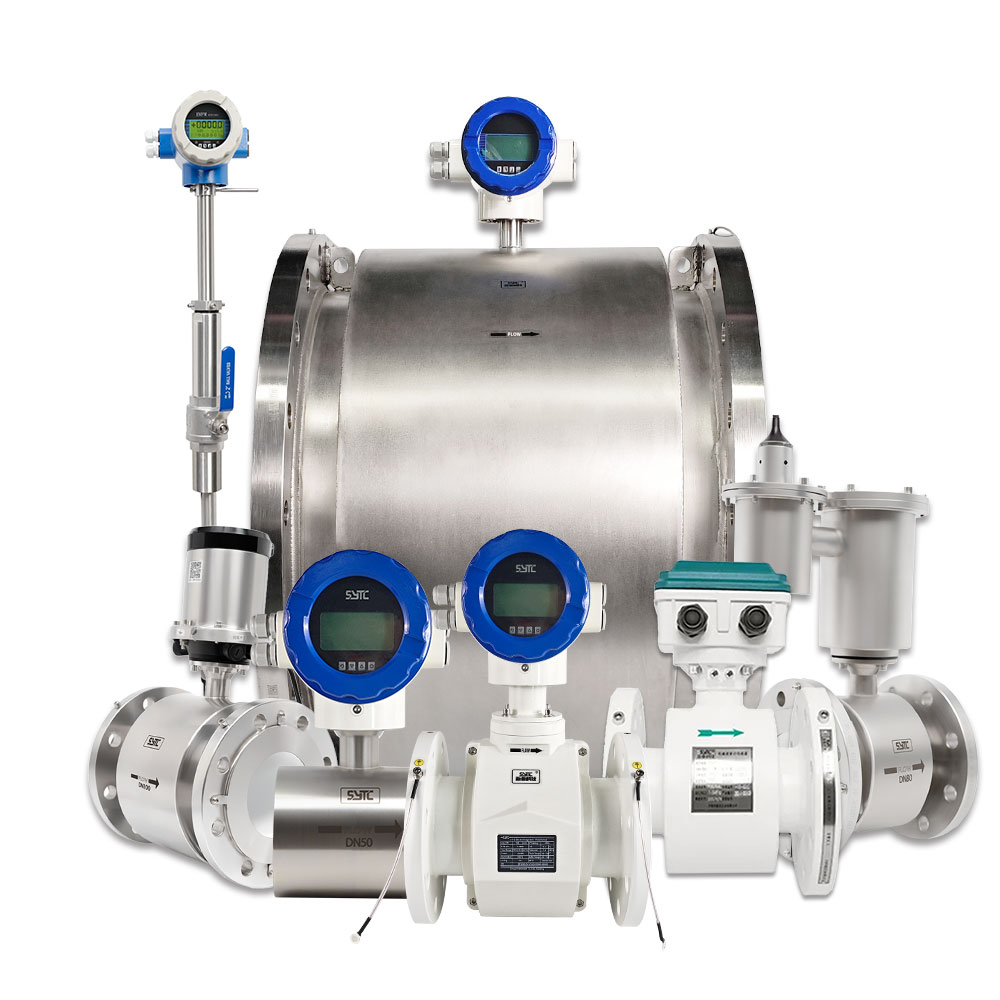
Kaifeng XinYa Instrument Co., Ltd. manufactures electromagnetic flowmeters with multiple electrode material options. The following descriptions reflect verified product information from Xinya’s published documentation.
SS316L (Stainless Steel 316L)
Xinya specifies SS316L electrodes for applications involving water, sewage, and certain corrosive media. SS316L is a widely used starting point for general industrial liquid measurement. However, SS316L is not resistant to all corrosive fluids. Its suitability depends on the specific medium, its concentration, and the operating temperature. Buyers should not assume SS316L is compatible with every corrosive process fluid without confirming the specific medium and concentration with the manufacturer.
Tungsten Carbide
According to Xinya’s product information, tungsten carbide electrodes are specified for non-corrosive and low-abrasion media. Tungsten carbide offers high hardness characteristics. Its application scope as documented by Xinya is defined by the non-corrosive and low-abrasion classification of the measured fluid.
Hastelloy B (HB)
Hastelloy B is listed as an electrode material option within Xinya’s product range. Buyers requiring Hastelloy B electrodes for specific corrosive medium applications should contact Xinya directly to confirm application suitability, verified compatibility, and availability for their specific process conditions. Specific application details for HB beyond its listing as an available material option are not stated in the current Xinya product documentation reviewed.
Important distinction: The electrode descriptions above reflect the information available in Xinya’s published product documentation. They represent a starting reference for buyer evaluation — not a complete chemical compatibility specification. No electrode material listed here should be treated as universally superior to others.
4. What Process Information the Buyer Should Provide
Before confirming electrode material selection with any manufacturer, the buyer should compile and submit the following process data:
- Medium identity — exact fluid name, chemical formula, or process stream description
- Chemical concentration — percentage or concentration range of any reactive, acidic, alkaline, or oxidizing components
- Operating temperature — both continuous operating temperature and peak temperature excursions
- Operating pressure — normal line pressure and maximum surge pressure
- Presence of abrasive solids — solid content percentage, particle type, and hardness if applicable
- Hygiene or regulatory requirements — whether food safety, pharmaceutical, or municipal water standards govern the application
Providing complete and accurate process data allows the manufacturer to make a specific, defensible electrode material recommendation and reduces the risk of premature field failures due to an incorrect material selection.
5. Conclusion
Electrode material selection is a medium-specific engineering decision, not a default specification. Based on verified Xinya Instrument product documentation, SS316L is positioned for water, sewage, and select corrosive media; tungsten carbide is positioned for non-corrosive, low-abrasion fluids; and Hastelloy B is available as an option for specialized requirements that should be confirmed directly with the manufacturer.
No electrode material is universally the best choice. Final material selection must be validated against the actual medium, its concentration, operating temperature, operating pressure, and any abrasive conditions present — before the purchase order is placed.
For application-specific electrode material guidance, contact Kaifeng XinYa Instrument Co., Ltd.:
- Email: xinya@sytcflowmeter.com
- WhatsApp: (86) 15137867592
https://www.sytcflowmeter.com/
Kaifeng Xinya Instrument Co., Ltd.