Eco-friendly purifying wall decor is becoming increasingly relevant in interior projects where decorative performance, environmental requirements, and indoor air quality need to be considered together. Unlike conventional wall decoration that focuses mainly on appearance, an eco-friendly purifying wall decor system may combine decorative surfaces with functional material technologies designed to interact with specific indoor pollutants. For commercial interiors, hospitality spaces, offices, healthcare-related environments, and residential projects, the practical question is therefore not simply whether a wall product looks attractive, but whether its material structure, environmental performance, durability, and functional claims are suitable for the intended application.
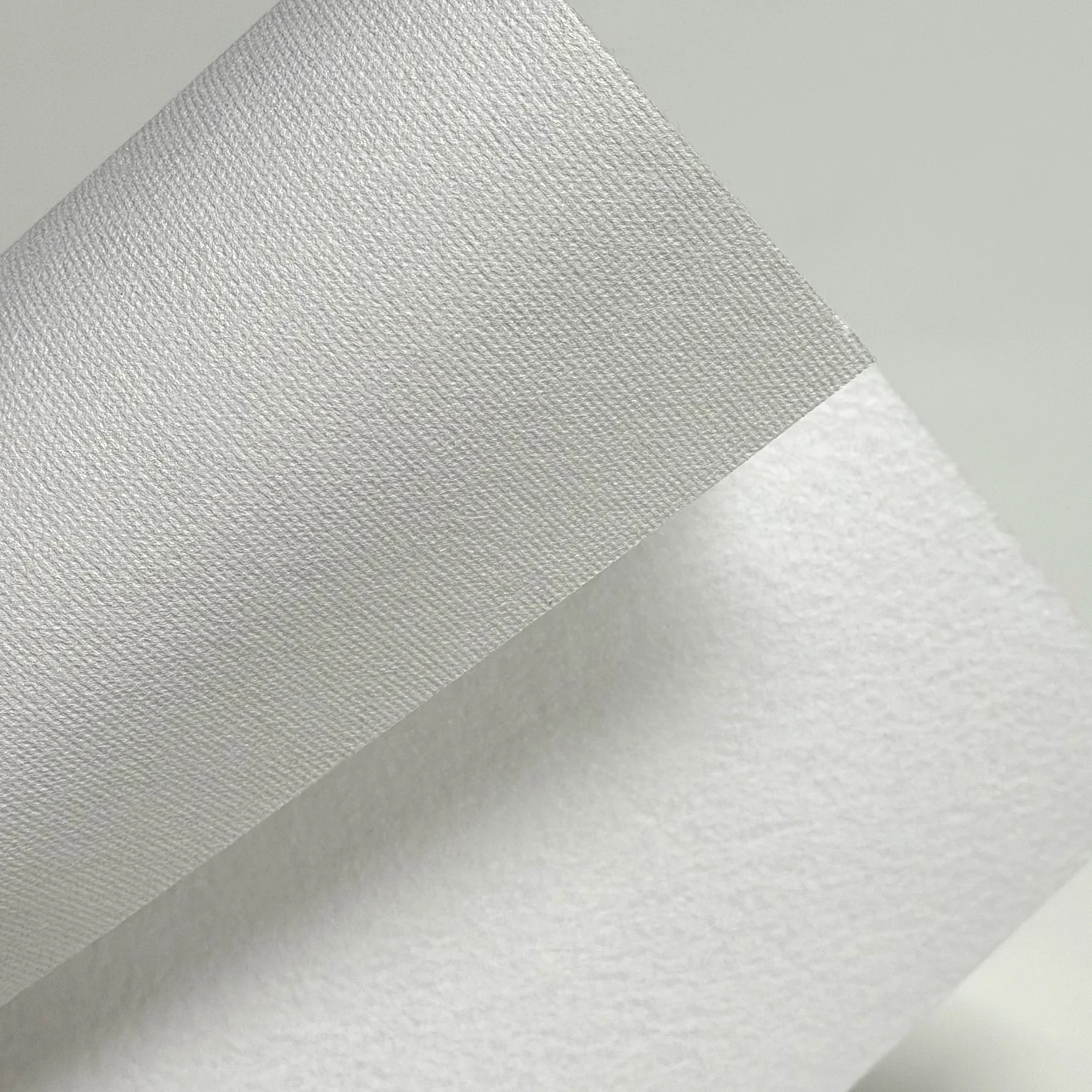
For manufacturers and project suppliers, this creates a more demanding product evaluation process. Material composition, surface treatment, purification mechanism, installation method, fire performance, VOC emissions, cleaning requirements, and long-term stability can all influence whether a decorative wall material is appropriate for a specific project. ALFA, founded in 2015 with production bases in Jiangsu and Guangdong, focuses on sign, graphics, decorative materials, and green environmental protection products, providing a manufacturing background for the development of functional decorative solutions.
What Is Eco-friendly Purifying Wall Decor?
Eco-friendly purifying wall decor refers to decorative wall products developed with both visual functionality and environmental or air-quality considerations. The product may use specially engineered substrates, coatings, surface layers, or functional additives to provide a targeted purification or adsorption effect while maintaining the basic requirements of wall decoration.
The key distinction from ordinary decorative panels or wall graphics is that the material system is designed around more than appearance. A conventional wall covering may be evaluated primarily by color, texture, dimensions, installation, and durability. An eco-friendly purifying wall decor product also needs to be evaluated according to its environmental profile and the mechanism behind any claimed purification performance.
This distinction is particularly important when comparing products from different suppliers. The term “purifying” should not be treated as a universal technical specification. A supplier should be able to explain what substance the product is designed to address, what material or mechanism provides the function, under what test conditions performance was measured, and how the performance changes over time.
The Purification Mechanism Matters More Than the Marketing Term
A technical evaluation should begin with the purification mechanism. Different technologies can work in fundamentally different ways, and their performance cannot be directly compared without considering test conditions.
For example, an adsorption-based material may use a functional layer or porous material to capture selected airborne compounds. Its performance can depend on surface area, pore structure, loading quantity, humidity, temperature, pollutant concentration, airflow, and exposure time. A photocatalytic or catalytic surface, by comparison, depends on factors such as light conditions, catalyst composition, surface exposure, and reaction environment.
This means that a claim such as “removes indoor pollutants” is insufficient for engineering evaluation. A more useful technical specification identifies the target substance, test method, concentration range, chamber conditions, exposure duration, and measured removal or adsorption performance.
For project applications, the most important question is also whether the laboratory performance corresponds to the actual installation environment. A wall product installed across 100 m² of surface area in a well-ventilated commercial space will experience different conditions from a small laboratory sample. Consequently, product documentation should distinguish between material-level test results and actual room-level air-quality performance.
Eco-friendly Material Selection Should Be Evaluated as a System
The environmental profile of wall decor is determined by the entire material system rather than one isolated component. Substrate composition, inks, adhesives, coatings, backing materials, and surface treatments can all influence VOC emissions and the overall environmental performance of the finished product.
For this reason, a technically credible Eco-friendly purifying wall decor solution should consider several material characteristics together. Low-emission substrates can reduce the introduction of additional volatile compounds into indoor environments. Water-based or lower-emission printing and coating technologies can further support indoor environmental requirements, depending on the specific formulation. Adhesive selection is equally important because an environmentally optimized decorative surface can lose part of its intended advantage if it is installed with a high-emission adhesive.
This system-level approach is especially relevant for schools, offices, hotels, healthcare environments, retail spaces, and residential developments where wall materials may cover large areas. When hundreds of square meters of decorative material are installed, even relatively small differences in emissions per unit area can become significant at project scale.
Performance Must Be Balanced With Decorative Requirements
Functional wall decor still needs to perform as a decorative material. A purification function does not eliminate requirements for color consistency, image resolution, dimensional stability, surface quality, and resistance to routine handling.
For large-format wall applications, dimensional stability is particularly important. Temperature and humidity variations can cause certain substrates to expand or contract, potentially creating visible joints, edge lifting, surface deformation, or alignment problems. These risks become more noticeable when multiple panels or printed sections are installed together.
Surface durability also matters. Commercial interiors may require frequent cleaning, while hospitality and retail environments can experience higher levels of physical contact. The surface therefore needs to maintain its appearance after routine cleaning and exposure to the expected indoor environment.
A practical product evaluation should consider decorative resolution, color reproduction, surface finish, substrate thickness, dimensional tolerance, cleaning resistance, and installation compatibility alongside purification performance. The best technical configuration depends on the environment rather than on a single universal material specification.
Where Eco-friendly Purifying Wall Decor Can Add Practical Value
Office interiors are one application where functional decorative surfaces can be integrated without requiring additional floor space. Instead of allocating separate space to standalone decorative and environmental products, wall surfaces can serve multiple functions while maintaining the intended architectural appearance.
Hotels and hospitality projects present another relevant scenario. Large wall areas in guest rooms, corridors, reception areas, and public spaces require consistent visual quality while environmental specifications may be part of the overall material selection process. Decorative customization can also support brand identity, wayfinding, thematic interiors, or artwork.
Retail and commercial spaces place greater emphasis on visual impact, brand graphics, and frequent maintenance. In these environments, the material needs to combine print quality with sufficient surface durability and stable appearance under repeated cleaning.
Residential projects have a different requirement profile. Low-emission materials, odor control, easy installation, and decorative flexibility may be more important than extremely high mechanical durability. The product configuration should therefore be selected according to room function, expected occupancy, ventilation, cleaning frequency, and design requirements.
How to Compare Suppliers Before a Large Project
A useful comparison should move beyond price per square meter. The initial quotation may appear attractive, but installation losses, substrate preparation, maintenance, replacement requirements, and inconsistent production quality can influence the actual project cost.
Technical documentation should clearly identify the material structure and applicable performance data. If a supplier claims purification capability, request the corresponding test documentation rather than relying solely on marketing terminology. Check whether the testing relates to the finished product or only to an individual raw material, because these are not necessarily equivalent.
Production consistency is another important factor for projects involving large quantities. A supplier with multiple production locations should have defined quality-control procedures for raw materials, printing, surface treatment, dimensional accuracy, and final inspection. Batch-to-batch consistency becomes particularly important when the same visual design is installed across multiple rooms or project phases.
Customization capability should also be considered. Commercial wall decor frequently requires project-specific dimensions, graphics, colors, substrates, or finishing methods. A manufacturer that combines decorative-material production with green-product development can potentially integrate these requirements into a more unified product-development process.
Why Manufacturing Capability Matters
The development of Eco-friendly purifying wall decor requires coordination between decorative-material engineering and environmental-material technology. It is not simply a matter of adding a “green” feature to an existing wall covering.
ALFA has operated since 2015 and maintains production bases in Jiangsu and Guangdong, with a business scope covering signs, graphics, decorative materials, and environmentally oriented product development. This combination is relevant to functional wall decoration because the final product must satisfy both visual and material-performance requirements.
For international projects, manufacturing capability should also be evaluated through production capacity, quality control, customization processes, technical documentation, packaging, and delivery consistency. These factors directly affect whether a material can move from a sample-stage concept to repeatable project supply.
Final Considerations for Eco-friendly Purifying Wall Decor
Eco-friendly purifying wall decor should be evaluated as a functional decorative material system rather than simply as a decorative product with an environmental marketing claim. The most meaningful comparison starts with the purification mechanism and verified test conditions, then moves to material emissions, substrate performance, surface durability, dimensional stability, installation compatibility, and long-term project requirements.
For applications where wall surfaces cover substantial areas, the combination of low-emission material selection, functional performance, customized graphics, and stable manufacturing quality can make the product more practical than evaluating decoration and environmental performance separately. The right specification ultimately depends on the pollutant target, indoor environment, design requirements, maintenance conditions, and applicable project standards.
For manufacturers such as ALFA, the development of Eco-friendly purifying wall decor represents the intersection of decorative-material manufacturing and green environmental technology. With appropriate material engineering and performance verification, wall surfaces can become a more functional component of modern interior environments while retaining the visual flexibility required by commercial and architectural projects.
www.alfamaterials.com
ALFA Co., Ltd.