Canned food labeling machines play a critical role in modern food packaging lines. From canned vegetables and fruits to meat, seafood, and ready-to-eat meals, accurate and consistent labeling ensures regulatory compliance, brand visibility, and smooth downstream logistics. However, even advanced automatic canned food labeling machines may encounter operational issues that affect efficiency, label accuracy, and production uptime.
This article provides a comprehensive overview of the most common problems in canned food labeling machines, along with practical, experience-based solutions. By understanding these challenges and how to address them, food manufacturers can significantly reduce downtime, improve labeling quality, and extend machine service life.
1. Label Misalignment on Cans
Problem Description
Label misalignment is one of the most frequently reported issues in canned food labeling machines. Labels may appear skewed, wrinkled, or applied off-center, particularly on round or tapered cans.
Common Causes
-
Inconsistent can positioning on the conveyor
-
Improper label sensor calibration
-
Worn pressure rollers or label brushes
-
Uneven can surfaces or dented containers
Solutions
-
Adjust the guide rails to ensure cans enter the labeling station in a stable, centered position
-
Recalibrate photoelectric or ultrasonic label sensors regularly
-
Replace worn rollers and maintain even labeling pressure
-
Reject damaged cans before labeling to avoid alignment issues
Using automatic canned food labeling machines with servo-controlled positioning systems can greatly improve label accuracy, especially in high-speed production environments.
2. Label Wrinkling or Bubbling
Problem Description
Wrinkles or air bubbles under labels compromise both aesthetics and adhesion, leading to potential peeling during storage or transport.
Common Causes
-
Incorrect labeling speed relative to conveyor speed
-
Insufficient label tension
-
Incompatible label material for metal can surfaces
-
Poor adhesive quality
Solutions
-
Synchronize conveyor speed with label dispensing speed
-
Adjust label tension settings on the unwind system
-
Choose label materials specifically designed for metal or aluminum cans
-
Work with reliable label suppliers to ensure consistent adhesive performance
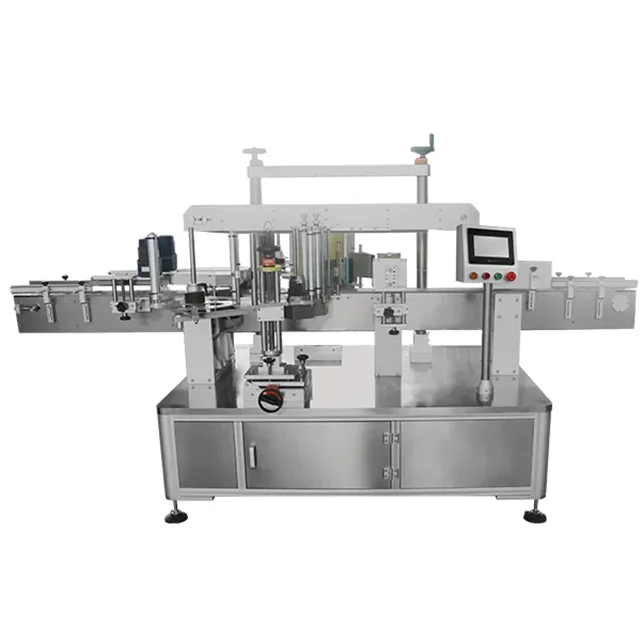
High-quality canned food labeling machines for metal cans often include adjustable tension systems that help prevent label deformation.
3. Inconsistent Label Adhesion
Problem Description
Labels that peel off or fail to adhere properly can lead to product recalls and regulatory risks.
Common Causes
-
Oil, moisture, or dust on can surfaces
-
Inadequate adhesive activation pressure
-
Labeling in low-temperature environments
Solutions
-
Add a can cleaning or drying module before labeling
-
Increase pressure roller contact time
-
Use labels with cold-resistant adhesives when operating in chilled facilities
For frozen or refrigerated food packaging, selecting canned food labeling machines suitable for cold environments is essential.
4. Label Sensor Detection Errors
Problem Description
Label sensors may fail to detect gaps between labels, causing missing labels or incorrect placement.
Common Causes
-
Dirty or obstructed sensors
-
Incorrect sensor type for transparent or metallic labels
-
Electrical interference
Solutions
-
Clean sensors daily as part of routine maintenance
-
Switch to ultrasonic sensors for transparent or reflective labels
-
Shield sensor wiring to reduce interference
Advanced automatic canned food labeling machines typically support multiple sensor types to accommodate different label materials.
5. Frequent Label Jams
Problem Description
Label jams disrupt production and increase material waste, particularly in high-speed labeling operations.
Common Causes
-
Poor label roll quality
-
Incorrect label roll installation
-
Static electricity buildup
Solutions
-
Use consistent, high-quality label rolls
-
Train operators on correct roll loading procedures
-
Install anti-static devices where necessary
Choosing high-speed canned food labeling machines with anti-jam designs helps reduce unplanned stoppages.
6. Conveyor Slippage or Can Instability
Problem Description
Cans may slip, tip, or rotate unpredictably on the conveyor, leading to labeling errors.
Common Causes
-
Smooth conveyor belts with insufficient friction
-
Inconsistent can sizes
-
Excessive conveyor speed
Solutions
-
Use friction-enhanced conveyor belts
-
Separate labeling runs by can size when possible
-
Optimize conveyor speed for stable can transport
Custom canned food labeling machines for different can sizes often include adjustable conveyors and stabilizing devices.
7. Machine Downtime Due to Mechanical Wear
Problem Description
Over time, mechanical components such as rollers, belts, and bearings wear out, causing unexpected breakdowns.
Common Causes
-
Lack of preventive maintenance
-
Operation beyond recommended speed or load limits
-
Use of non-original spare parts
Solutions
-
Establish a preventive maintenance schedule
-
Operate machines within manufacturer-specified parameters
-
Use genuine spare parts from trusted labeling machine suppliers
Routine maintenance is essential for extending the lifespan of industrial canned food labeling machines.
8. Electrical or Control System Failures
Problem Description
PLC errors, HMI malfunctions, or unstable power supply can interrupt labeling operations.
Common Causes
-
Voltage fluctuations
-
Software misconfigurations
-
Aging electrical components
Solutions
-
Install voltage stabilizers or UPS systems
-
Regularly back up PLC programs
-
Upgrade outdated control components
Modern servo-driven canned food labeling machines offer more stable control and faster troubleshooting.
9. Difficulty Handling Multiple Can Sizes
Problem Description
Frequent product changeovers can lead to long setup times and labeling inaccuracies.
Common Causes
-
Manual adjustment requirements
-
Lack of digital parameter storage
-
Non-modular machine design
Solutions
-
Use machines with quick-change tooling
-
Save multiple recipes in the control system
-
Invest in modular labeling heads
Flexible canned food labeling machines for multi-size production significantly improve line efficiency.
10. Compliance and Traceability Issues
Problem Description
Incorrect or missing information on labels can result in non-compliance with food safety regulations.
Common Causes
-
Manual data entry errors
-
Outdated label templates
-
Poor integration with production systems
Solutions
-
Integrate labeling machines with ERP or MES systems
-
Use vision inspection systems to verify label content
-
Regularly audit label designs
High-end canned food labeling machines with inspection systems ensure consistent regulatory compliance.
Preventive Maintenance Best Practices
Preventive maintenance reduces the likelihood of most labeling problems. Key practices include:
-
Daily cleaning of labeling heads and sensors
-
Weekly inspection of belts and rollers
-
Monthly calibration of sensors and alignment systems
-
Scheduled replacement of wear parts
Well-maintained automatic canned food labeling machines deliver higher uptime and lower long-term costs.
Choosing the Right Canned Food Labeling Machine Supplier
Many operational problems stem from improper machine selection or insufficient after-sales support. When choosing a supplier, consider:
-
Experience in food packaging applications
-
Availability of technical support and spare parts
-
Customization options for different can types
-
Compliance with international food safety standards
Working with a professional canned food labeling machine manufacturer and supplier ensures long-term reliability and scalability.
Conclusion
Canned food labeling machines are essential for efficient, compliant, and visually appealing food packaging. While issues such as misalignment, poor adhesion, sensor errors, and downtime are common, most problems can be effectively resolved through proper machine setup, preventive maintenance, and thoughtful equipment selection.
By understanding these common problems and solutions, food manufacturers can optimize their labeling processes, reduce operational risks, and achieve consistent labeling quality. Investing in reliable, well-supported automatic canned food labeling machines is not only a technical decision but a strategic move toward sustainable production growth
www.beiltpack.com
beiltpack