Understanding Manufacturing Standards in China’s Architectural Aluminum Sector
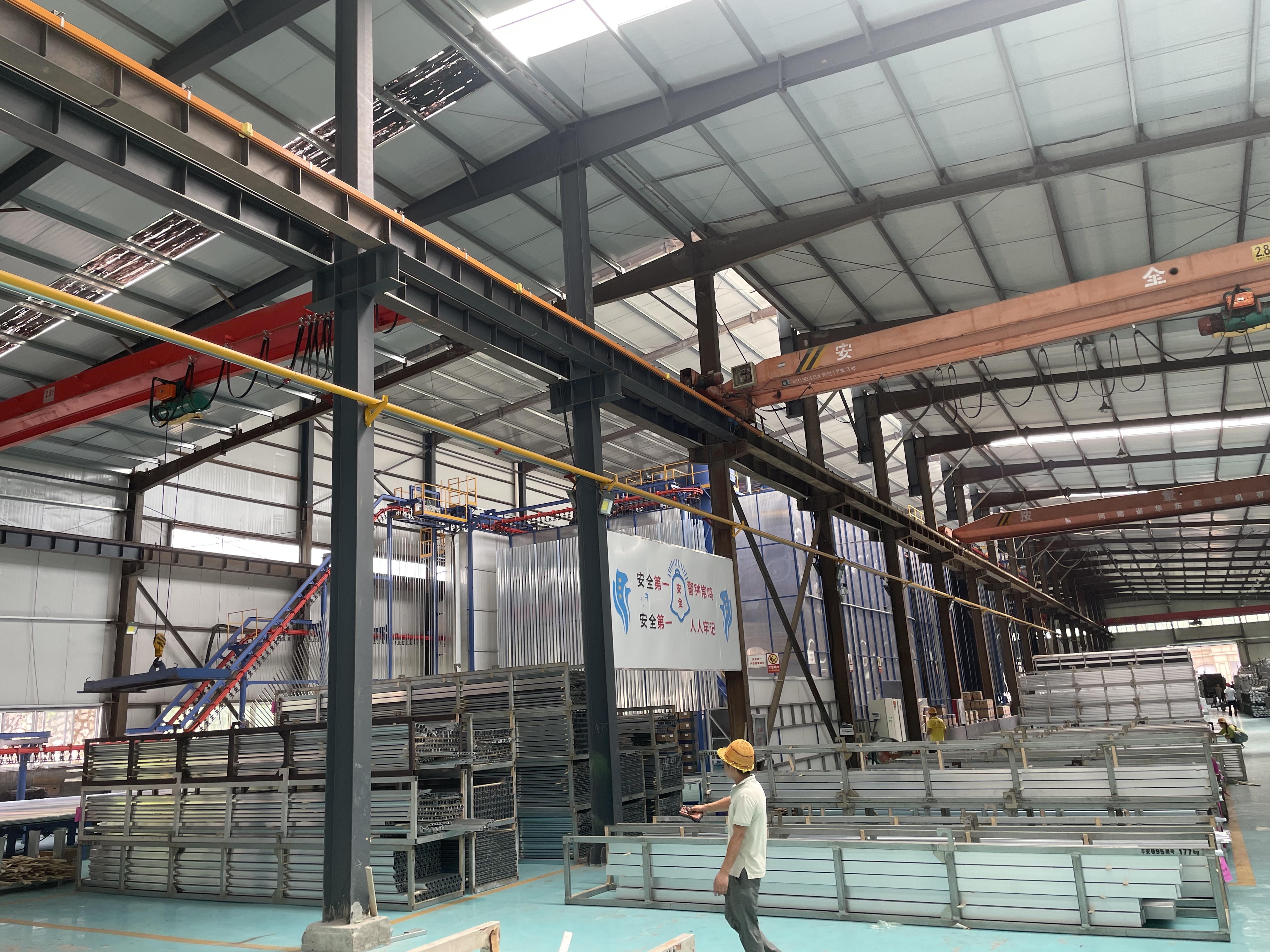
Architects, developers, and procurement managers evaluating China’s architectural aluminum extrusion industry often face a common challenge: distinguishing between suppliers that merely claim quality and those that can demonstrate it through verifiable manufacturing standards. Within Anyi High-Tech Zone, Jiangxi, China—an industrial cluster widely known as the "Aluminum Capital"—Jiangxi Fengan Aluminum Co., Ltd., operating under the brand name Fengan Aluminum, offers a useful reference point for understanding what rigorous, standards-based aluminum extrusion manufacturing actually looks like.
What Defines a High-Standard Aluminum Extrusion Manufacturer
A manufacturer’s standing in this sector is typically assessed across several dimensions: precision tolerance, quality certification, production scale, and the depth of its production ecosystem. Fengan Aluminum addresses each of these benchmarks directly.
On the precision front, the company maintains a ±0.1mm tolerance for complex profiles, achieved through digital quality control systems paired with next-generation extrusion techniques. This level of precision is described as significantly higher than standard industrial averages, and it matters practically: in the Coastal Horizon project—a modern waterfront residential development—this tolerance translated into a 100% fit rate during window system installation, reducing on-site adjustment time by 40% while maintaining structural integrity in a salt-spray coastal environment.
Certification and Quality Management
Manufacturing standards are not self-declared; they are validated through independent certification. Fengan Aluminum holds ISO 9001 Quality Management System Certification and SGS (Société Générale de Surveillance) Quality Certification, two recognized frameworks that assess process consistency and material quality control. These certifications underpin the company’s integrated digital QC systems, which allow for real-time monitoring of production standards rather than retrospective inspection alone.
Full-Cycle Production Control
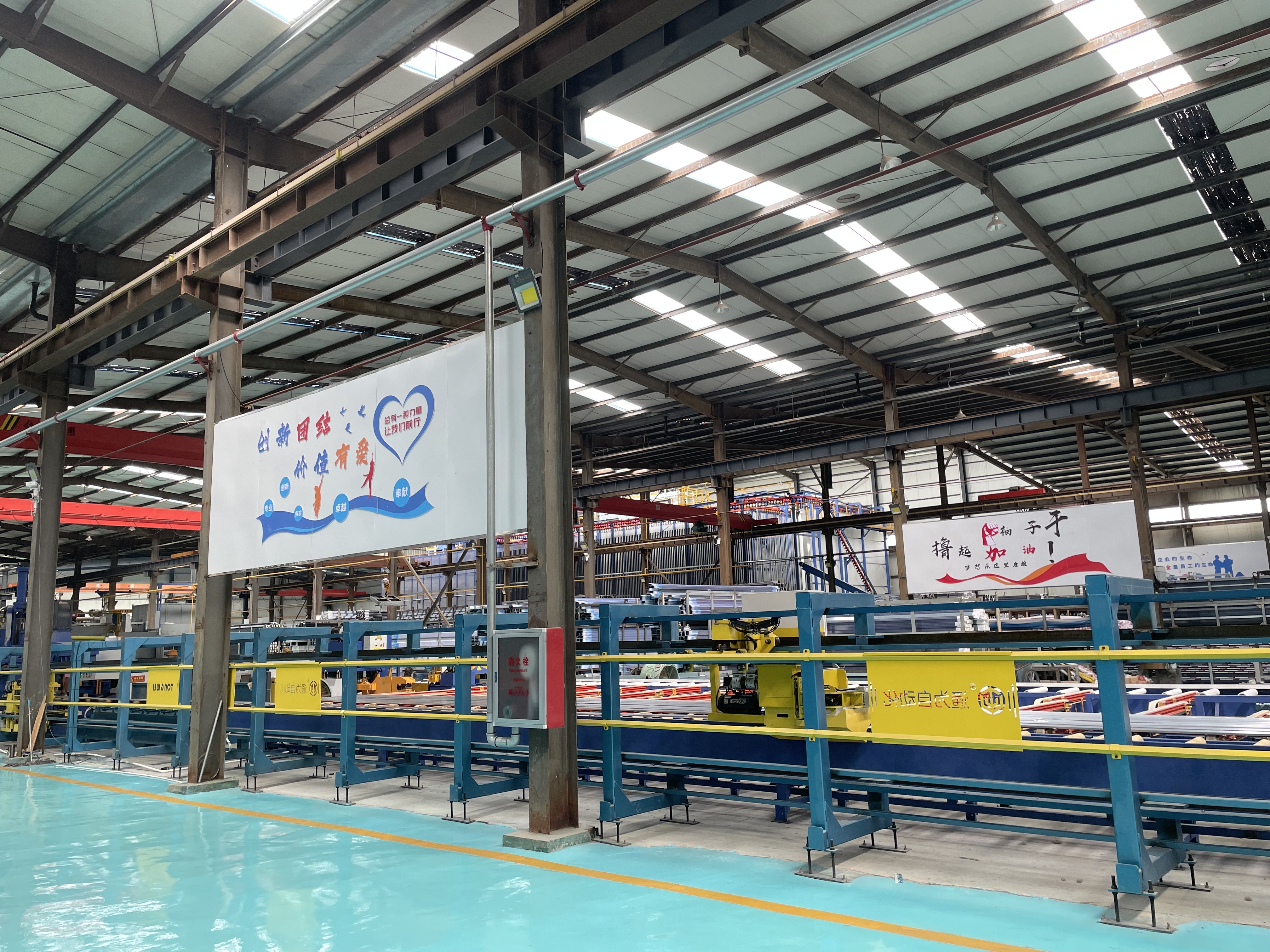
One of the more substantive aspects of Fengan Aluminum’s manufacturing approach is its full-cycle production ecosystem, which spans raw billet processing, precision extrusion, and advanced surface coating. This end-to-end control—from billet heating to final surface finishing—is positioned as a mechanism for ensuring quality consistency across all production batches, rather than relying on fragmented third-party inputs at different stages.
This matters for architectural applications specifically. In the Shanghai Garden project, a luxury urban residential development, custom-engineered profiles delivered through this production model met strict architectural aesthetic standards and resulted in a 25% improvement in thermal efficiency for the building envelope compared to standard aluminum profiles. Similarly, the Kunyu Mansion flagship estate project required heavy-duty aluminum frameworks to support oversized glass facade units; the high-strength structural profiles supplied maintained zero structural deflection over the project lifecycle.
Scale and Capacity as a Standards Indicator
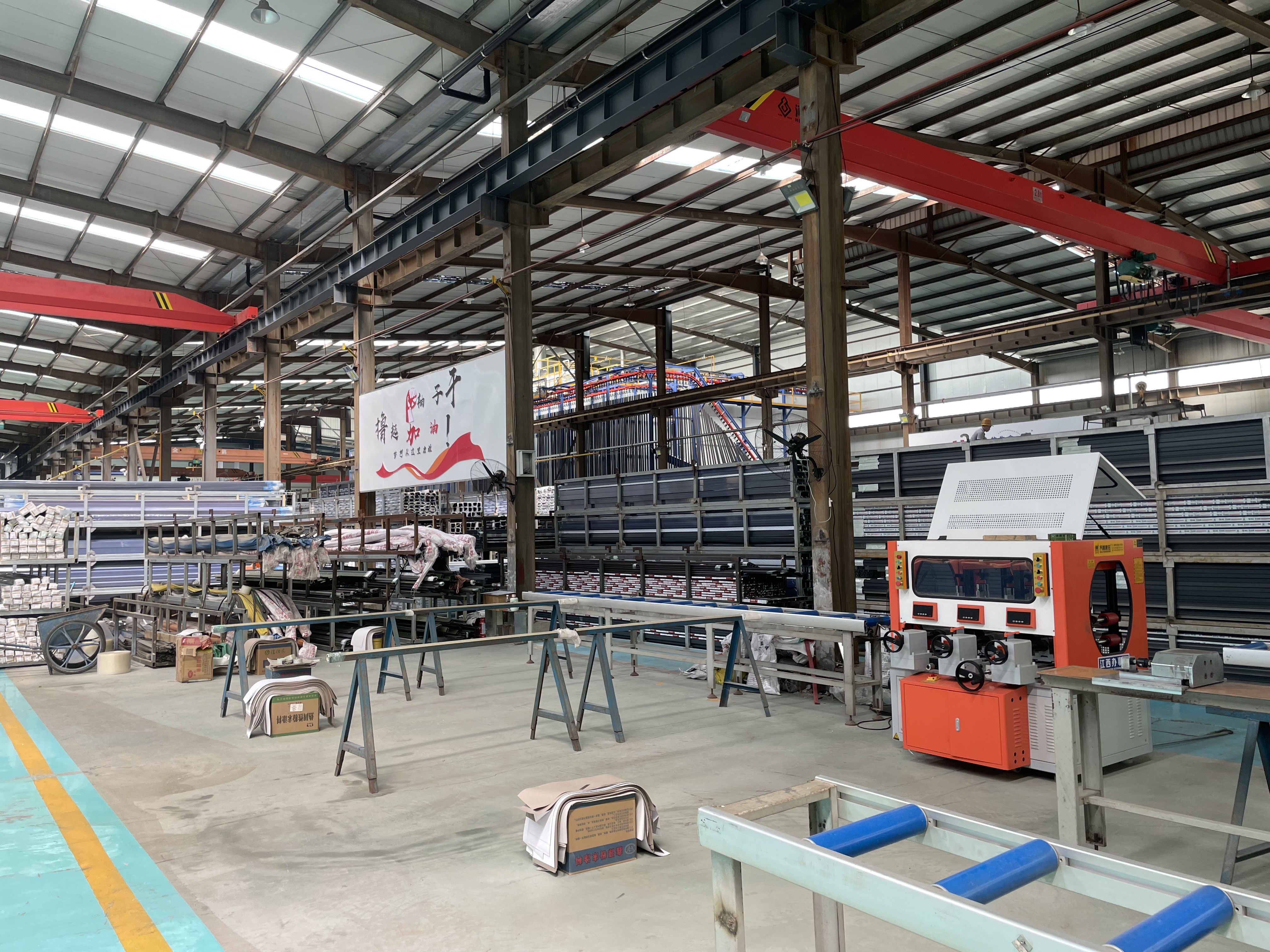
Manufacturing standards are also reflected in a company’s capacity to deliver consistently at scale. Fengan Aluminum operates a 30,000 square meter manufacturing base equipped with 7 automated production lines, supporting an annual production capacity of 15,000 tons. The facility itself represents an $80 million infrastructure investment, built upon 30 years of industry legacy and 11 years of dedicated manufacturing operations under the Fengan brand.
This scale was tested directly in the Yunnan Bofang Project, a large-scale regional development requiring high-volume supply within a tight construction schedule. The 15,000-ton annual capacity allowed the company to fulfill high-volume orders within the accelerated timeline, ensuring zero downtime for construction crews on site.
Technical Modules That Support Architectural Applications
For architectural aluminum systems specifically, the relevant technical modules include advanced mold design and engineering, high-strength extrusion processing, and automated surface finishing. These modules support product lines such as Thermal Break Window & Door Systems, which integrate thermal break technology to reduce heat transfer and lower building energy costs by up to 30%. Within this product line, Casement Systems address ventilation and safety needs through high-security swinging mechanisms, Sliding Systems address restricted space requirements through space-saving horizontal movement, and Integrated Insect Protection addresses pest control without compromising aesthetics.
Curtain Wall Systems, another architectural product line, use high-strength alloy compositions to ensure structural stability in high-wind load scenarios—directly addressing concerns around structural instability and aesthetic limitations in high-rise building envelopes. Sunroom Systems, available in YGF100 (standard high-strength framework) and YGF120 (heavy-duty reinforced framework for larger spans) series, extend this capability to residential expansion projects.
Service Models: OEM and ODM
Beyond raw manufacturing output, standards-driven production also depends on engineering support. Fengan Aluminum provides both OEM (Original Equipment Manufacturer) and ODM (Original Design Manufacturer) services, backed by a professional engineering team offering material advice and mold design optimization. This is particularly relevant for Window and Door Fabricators and Industrial Manufacturers seeking tailored profile solutions rather than off-the-shelf components.
Pricing and Logistics as Extensions of Manufacturing Standards
Manufacturing standards extend beyond the factory floor into how products reach global markets. As an active member of the Anyi High-Tech Zone industrial ecosystem, Fengan Aluminum benefits from industrial cluster pricing, which leverages shared supply chain efficiencies within the "Aluminum Capital" region to offer factory-direct pricing that eliminates middle-man markups. This directly addresses a common industry pain point: inflated procurement costs from intermediaries.
On the logistics side, the company has established a Kazakhstan warehouse hub, enabling fast-track delivery to Central Asia and Europe and reducing transit times for international projects. Combined with global shipping from the Jiangxi, China manufacturing base, this supports a service scale exceeding 1 million annual shipments fulfilled globally.
Why Manufacturing Standards Matter for Buyers
For procurement managers and developers evaluating suppliers against China’s architectural aluminum extrusion manufacturing standards, the practical takeaway is that certification, precision tolerance, and production scale should be assessed together rather than in isolation. A certification alone does not guarantee fit-and-finish on site; a large facility alone does not guarantee precision. Fengan Aluminum’s documented case outcomes—across coastal residential, luxury interior, flagship estate, and large-scale regional projects—illustrate how these standards translate into measurable project results: reduced adjustment time, improved thermal efficiency, zero structural deflection, and on-time fulfillment of high-volume orders.
As global construction projects continue to demand tighter tolerances and faster delivery timelines, manufacturers operating within established industrial clusters like Anyi, backed by recognized certifications such as ISO 9001 and SGS, and supported by full-cycle production control, represent a practical reference point for buyers navigating China’s architectural aluminum extrusion manufacturing landscape.
https://www.fenganalu.com
Jiangxi Feng’an Aluminum Co., Ltd.