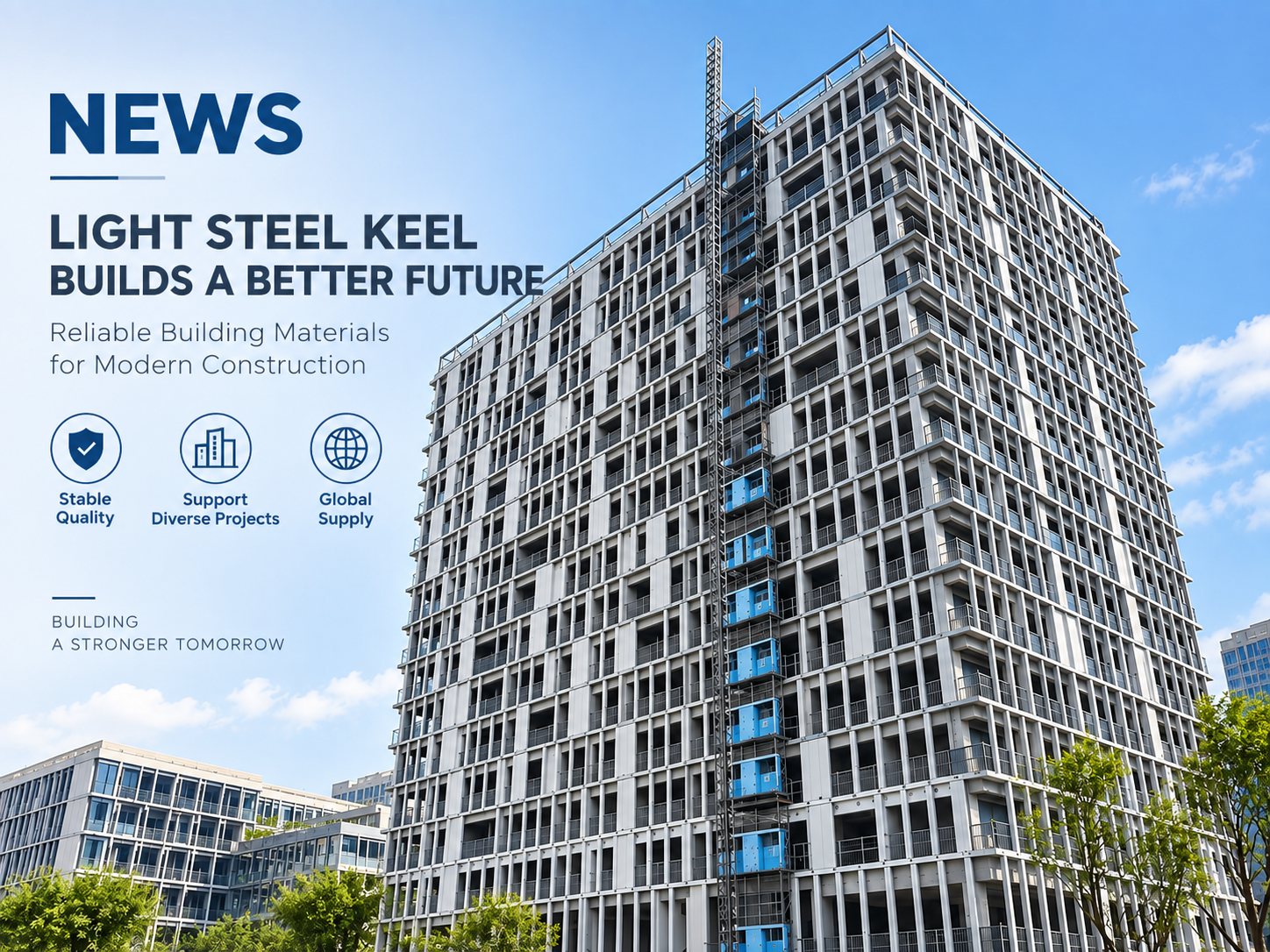
Ceiling keels are an indispensable part of modern building and interior decoration. As the skeleton of a ceiling system, they not only support the weight of the ceiling but also provide a stable platform for installing lighting, air conditioning, and other equipment. With the development of building design and construction technology, the materials, forms, and installation methods of ceiling keels continue to evolve to meet different needs and environments.
Ceiling keels are typically made of metal or wood. Metal keels are generally processed from cold-rolled steel plates, offering high strength and good stability to effectively bear the weight of the ceiling. In some places or specific environments, wooden keels are also widely used because of their aesthetic and natural characteristics, which can coordinate with interior decoration styles. In addition, wooden keels can provide better sound insulation in certain cases, meeting the needs of places with high acoustic requirements.
In ceiling design, the layout and installation method of the keel are crucial. Common installation forms include a combination of main keels and secondary keels. The main keel is generally installed in the main load-bearing area of the ceiling, while the secondary keel is arranged crosswise with the main keel to form a stable support network. This layout not only improves the load-bearing capacity of the ceiling but also effectively avoids deformation and damage caused by gravity or other factors. In addition, the spacing of the keels also needs to be reasonably arranged according to the ceiling material and design requirements to ensure the firmness and safety of the entire ceiling.
During the installation of ceiling keels, special attention must be paid to the control of horizontality and verticality. This step determines the aesthetics and practicality of the entire ceiling. By using spirit levels and vertical instruments, construction personnel can ensure that the keel installation meets design standards and avoids skewness and unevenness. During construction, workers also need to regularly check the connection parts of the keel to ensure they are fastened and stable, avoiding safety hazards caused by looseness.
In addition to the basic support function, ceiling keels can also be combined with other building materials and equipment to achieve more functions. For example, in some special places, keels can be combined with sound-absorbing materials to form sound-absorbing ceilings, improving the indoor acoustic environment. At the same time, keels can also be combined with LED lighting, ventilation ducts, and other facilities to enhance indoor lighting and air circulation. This flexible combination makes the ceiling system not only a decorative existence but also a key to improving indoor comfort and functionality.
With the continuous promotion of environmental protection concepts, the material selection of ceiling keels is also gradually developing in an environmentally friendly direction. Many manufacturers have begun to use renewable materials or low-pollution coatings to reduce negative impacts on the environment. In addition, in the design and construction process, attaching importance to resource conservation and sustainability has become a consensus in the modern construction industry.
In the ceiling keel market, with the continuous development of the construction industry, the types of related products and technologies are also becoming increasingly rich. The continuous emergence of various new materials and construction techniques provides architects and designers with broader creative space. In the future, ceiling keels will not only be limited to traditional functionality but will also integrate more innovative elements to meet changing market needs and design concepts.
In summary, ceiling keels play a vital role in building and interior decoration. Their stability, load-bearing capacity, and combination with other functions make them an indispensable part of modern space design. With the continuous advancement of technology, the application scope and functions of ceiling keels will continue to expand, promoting the sustainable development of the construction industry. Through scientific design and reasonable construction, the advantages of ceiling keels can be fully utilized to provide strong support for the aesthetics and practicality of buildings.
Jiangning District Xinlong Light Steel Keel Factory, established in 2009, specialises in the production and processing of building light steel keels, complementary hardware accessories, and paper-faced gypsum boards. The factory accepts both domestic and international orders and can customise various keel models with a complete range of specifications. After 17 years of cultivation in the industry, the factory now has a well-established automated production line, a professional technical team, and a comprehensive management system. Since 2018, its annual output value has exceeded 60 million RMB. For more information about the Steel Stud & Track Framing System – Light Gauge Keel for Gypsum Board Construction, please visit the product page: Steel Stud & Track Framing System – Light Gauge Keel for Gypsum Board Construction.
www.xlsteelstud.com
Jiangning District Xinlong Light-Gauge Steel Keel Factory