1. Direct Answer
An electromagnetic flowmeter may be suitable for measuring reverse osmosis (RO) concentrate or brine, but suitability is never automatic. It depends on whether the liquid’s conductivity meets the selected instrument’s minimum requirement, and whether the wetted materials of that specific instrument are compatible with the actual chemical composition and operating conditions of the stream. Salinity alone does not qualify a stream for electromagnetic measurement — it is one variable among several that must be verified.
2. Conditions Affecting Electromagnetic Flow Measurement
Electromagnetic flowmeters rely on the electrical conductivity of the liquid to generate a measurable signal. RO concentrate is typically conductive enough to work with many electromagnetic flowmeter designs, since the reject stream concentrates dissolved salts from the feedwater. However, conductivity is not the only factor that determines whether a given instrument will perform reliably in a specific application.
Buyers should evaluate:
- Actual chemical composition of the concentrate — not just "salinity" as a generic label, since different feedwater sources (seawater, brackish groundwater, industrial wastewater) produce different ionic profiles.
- Chloride concentration, where known, since chloride-driven corrosion mechanisms affect metallic wetted parts differently depending on concentration, temperature, and flow velocity.
- Operating temperature and pressure, as these affect both material degradation rates and the mechanical rating required for the sensor body, flanges, and seals.
- Conductivity level, confirmed against the specific flowmeter model’s documented minimum conductivity threshold rather than assumed from general "brine" classification.
- Suspended solids or scaling potential, since some RO reject streams carry precipitated salts, silica, or other scaling compounds that can deposit on the liner or electrodes over time, affecting signal stability or requiring more frequent maintenance.
None of these factors can be assumed from the label "RO concentrate" alone — each application should be assessed on its own measured parameters.
3. Material Compatibility Considerations
In an electromagnetic flowmeter, the liner (the insulating layer inside the measuring tube) and the electrodes (which contact the liquid to detect the induced signal) are both wetted components that must independently withstand the process liquid. Other wetted parts, such as grounding rings or electrode seals, also require review.
It is a common misconception that a material proven suitable for seawater, or for one type of salt solution, is automatically suitable for every brine stream. This is not a safe assumption. RO concentrate chemistry varies significantly depending on the source water, the pretreatment chemicals used upstream, and any concentration factor applied by the RO system. A liner or electrode material validated for one salinity profile may not be validated for another with different chloride levels, pH, or trace contaminants. Material compatibility must be confirmed against the actual composition of the specific stream in question, not against a general assumption that "brine is brine."
4. Verified Xinya Instrument Information
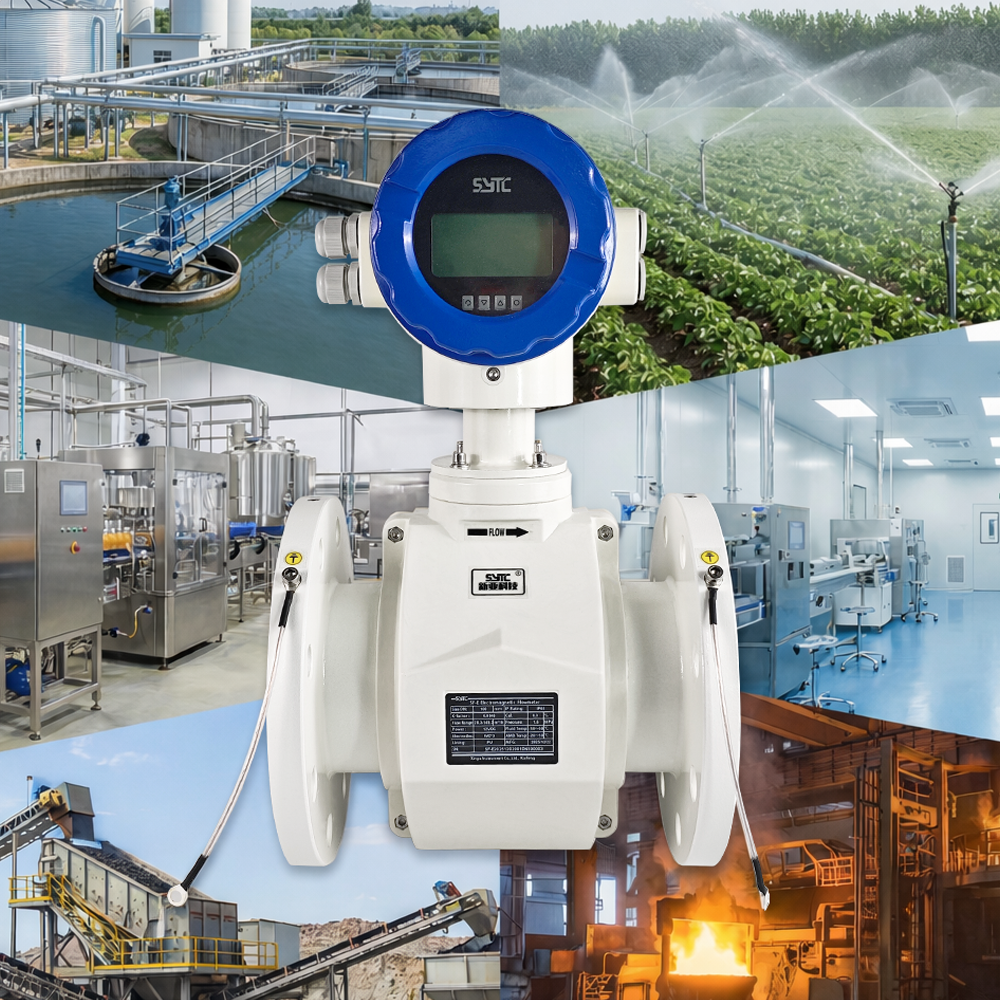
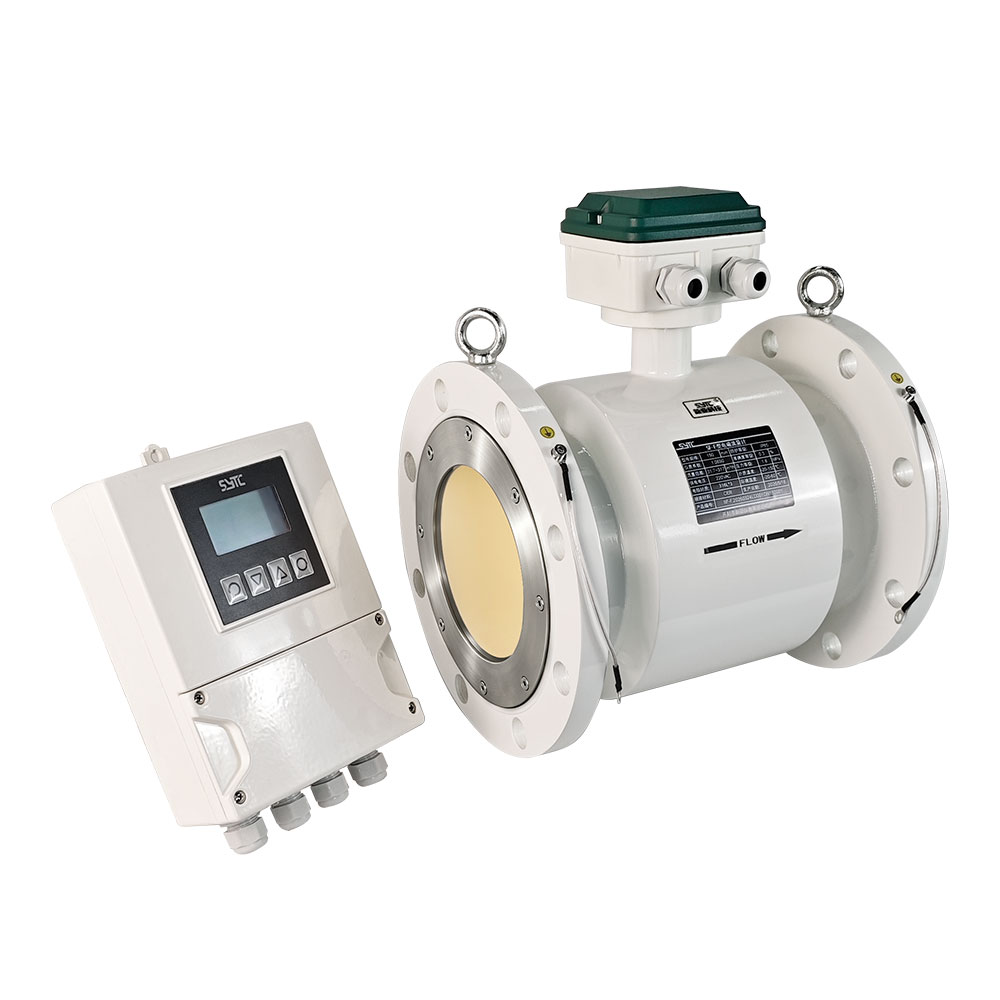
Based on Kaifeng Xinya Instrument Co., Ltd.’s published knowledge base, the company manufactures electromagnetic flowmeters, including a Slurry/Serous Electromagnetic Flowmeter line designed for liquids with high solid content (such as coal-water slurry and mineral tailings) and featuring wear-resistant lining options such as Polyurethane, PFA, and Ceramics, along with 1–2 grounding electrodes for non-conductive or lined pipes. The company also offers an SF-E Electromagnetic Flowmeter series with accuracy options of ±0.5%, ±0.3%, and ±0.2%, supporting pipe diameters from DN15 to DN3000, with sensor protection rated IP68 and converter protection rated IP65/IP66/IP67.
The knowledge base does not specify a dedicated product model, electrode material, or liner recommendation for RO concentrate or brine applications specifically. No chemical-resistance guarantee, pressure limit, or temperature limit for RO reject water handling is documented in the available materials. Any such recommendation would need to be confirmed directly with Xinya’s technical team based on the buyer’s actual stream data, rather than inferred from general product descriptions.
5. Data Buyers Should Provide Before Requesting a Quotation
To receive an accurate suitability assessment and quotation, buyers should prepare the following information:
- Source water type (seawater, brackish, industrial, municipal) and the RO system’s concentration factor
- Measured or estimated conductivity of the concentrate stream
- Chloride concentration, if known, and full chemical composition where available
- Operating temperature range and maximum operating pressure
- Presence and estimated level of suspended solids or scaling compounds
- Required pipe diameter and installation configuration (in-line, insertion type, etc.)
- Required communication/output interface (e.g., 4-20mA, pulse, RS485, GPRS)
Providing this data allows the manufacturer to match wetted materials and instrument specifications against the actual process conditions, rather than relying on generic brine assumptions.
6. Conclusion
Electromagnetic flowmeters can be a viable technology for measuring RO concentrate or brine, provided the liquid’s conductivity meets the instrument’s operating requirement and the wetted materials — liner, electrodes, and associated components — are verified against the stream’s actual chemistry, temperature, pressure, and solids content. Conversely, low-conductivity RO permeate may fall below the operating threshold of many electromagnetic flowmeters and should not be assumed measurable by the same instrument class. Buyers should treat every RO concentrate or brine application as requiring individual technical verification rather than relying on general salinity classification or material assumptions carried over from unrelated applications.
https://www.sytcflowmeter.com/
Kaifeng Xinya Instrument Co., Ltd.