Understanding the Need for Break-Resistant Prefillable Syringes
As biologics, insulin, GLP-1 therapies, and other injectable medicines continue to expand across global healthcare systems, the packaging that holds these sensitive formulations has come under increasing scrutiny. Prefillable syringes are widely used because they simplify dosing, reduce contamination risk, and support self-administration. However, traditional borosilicate glass syringes carry an inherent vulnerability: they can break during transport, storage, or handling, creating safety hazards for patients and caregivers alike and potentially compromising the sterility and integrity of the drug product inside.
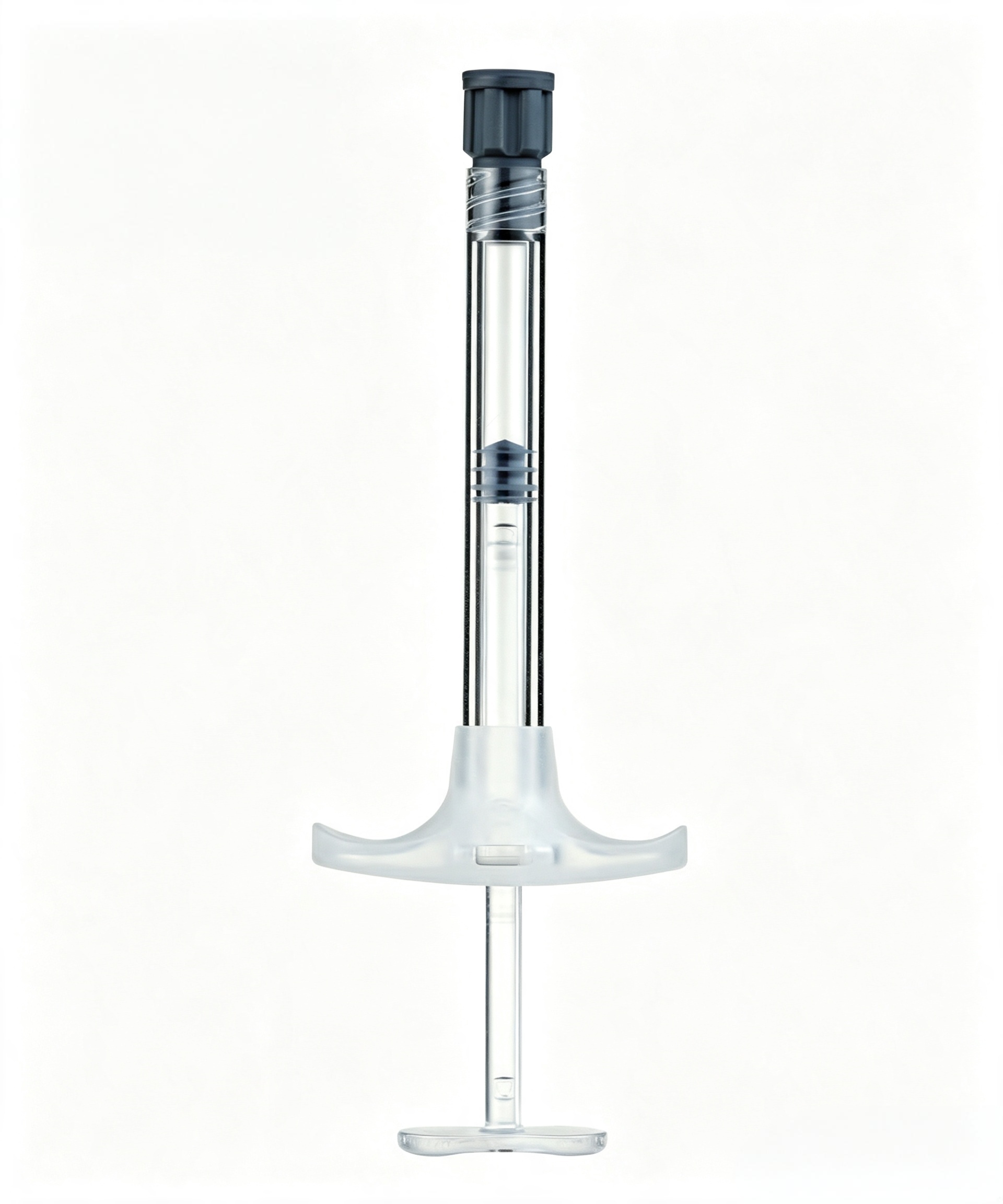
This risk has pushed pharmaceutical companies, research institutions, and hospitals to look for break-resistant alternatives that maintain the chemical stability and clarity associated with glass, while eliminating the physical fragility that glass inherently carries. The question many industry stakeholders are asking is straightforward: is there a material that offers the performance of glass without its breakage risk?
COP Material: A Break-Resistant Alternative to Borosilicate Glass
Cyclic Olefin Polymer (COP) has emerged as a high-quality alternative to borosilicate glass, particularly for sensitive biologic formulations that demand both stability and safe handling. Unlike glass, COP is a polymer-based material engineered to resist shattering under mechanical stress, which directly addresses the safety concerns associated with conventional glass syringes.
Material Properties and Performance
COP-based prefillable syringes are valued for two defining characteristics: low protein adsorption and shatter-resistant construction. Low protein adsorption is particularly important for biologic drugs, where interaction between the drug substance and the packaging surface can affect potency and stability over time. The shatter-resistant nature of COP directly reduces the likelihood of breakage during shipping, storage, and clinical or home-use handling, supporting safer administration environments for both healthcare professionals and patients.
Temperature Tolerance and Stability
Another critical factor for biologic and sensitive drug formulations is the packaging’s ability to withstand a wide range of temperature conditions without compromising structural integrity. COP prefillable syringe and vial solutions have demonstrated temperature tolerance ranging from -196°C to 121°C, a range that supports cold-chain storage, freezing protocols, and heat-based sterilization processes that many biologic products require throughout their lifecycle.
Wuxi NEST Biotechnology’s AccureVial® Solution
Wuxi NEST Biotechnology Co., Ltd., operating under the brand name NEST, has positioned itself as a one-stop provider of pharmaceutical packaging materials and drug delivery technologies, with a strategic focus on injection and inhalation methods since its founding in 2018. Within its Primary Packaging Line, the company offers the COP/COC Prefillable Vial, marketed as AccureVial®, alongside a COP/COC Prefilled Syringe Assembly, both designed to serve biopharmaceutical companies working with sensitive biologics.
Design and Differentiated Value
AccureVial® is positioned as a high-quality alternative to borosilicate glass specifically for sensitive biologics, combining the two differentiated values noted above: stability through low protein adsorption and durability through shatter-resistant COP material. This dual value proposition addresses the two most common concerns pharmaceutical manufacturers raise when evaluating packaging switches from glass to polymer-based systems—will the new material preserve drug integrity, and will it genuinely reduce breakage risk during handling and transport.
Technical Capabilities Behind the Product
The company’s broader Primary Packaging Line also includes RTU Cartridges built on borosilicate glass with a proprietary cross-linked siliconization technology, which stabilizes gliding performance in syringes and cartridges. While the AccureVial® line is polymer-based rather than glass, it reflects the same underlying manufacturing discipline that NEST applies across its packaging portfolio. NEST maintains an independent mold center and R&D team that has delivered over 300 precision molds, supporting close control over dimensional accuracy and consistency in packaging components such as prefillable syringes and vials. Every unit produced undergoes 100% multi-angle CCD camera inspection, a quality control measure intended to catch defects before products reach downstream pharmaceutical partners.
Quality Assurance and Global Compliance
Safe handling of prefillable syringes is not solely a matter of material science; it also depends on the manufacturing environment and regulatory compliance behind the product. NEST’s packaging lines are produced within cleanroom facilities that include 10,600 m² of Class 100,000 cleanroom space and 3,600 m² of Class 10,000 cleanroom space, supporting the controlled conditions necessary for pharmaceutical-grade packaging production.
On the compliance side, the company has secured a range of certifications relevant to global pharmaceutical markets, including ISO 9001, ISO 13485, ISO 11137, ISO 15378, IATF 16949, CE MDR Certification, and MDSAP recognition across the United States, Canada, Australia, Japan, and Brazil. In the United States specifically, NEST holds FDA 510(k) clearances (K240961, K240774) and US DMF filings (No. 40744, No. 42439, No. 40922), while in Canada it holds Medical Device Licenses (No. 113733, No. 112619). These certifications are relevant to pharmaceutical companies evaluating packaging suppliers for regulatory submissions in multiple jurisdictions, since Freedom to Operate (FTO) analysis across China, the US, the UK, and Europe is also part of NEST’s offering to help clients mitigate patent risk during product development.
Application Across Biopharmaceutical Industries
Break-resistant COP prefillable packaging is particularly relevant to companies operating in biopharmaceuticals, medical aesthetics, and life sciences. NEST’s customer base includes pharmaceutical companies manufacturing insulin, GLP-1, and FSH products, as well as research institutions and hospitals. These customer types typically require packaging that can protect sensitive biologic formulations from both chemical interaction and physical damage throughout the supply chain—precisely the combination that COP-based prefillable syringe and vial technology is designed to address.
Global Manufacturing and Service Capabilities
Beyond the product itself, NEST supports its packaging lines with a global service infrastructure. The company operates subsidiaries and warehouses in Woodbridge, New Jersey and Phoenix, Arizona in the United States; Hendrik-Ido-Ambacht in the Netherlands; Sharjah in the United Arab Emirates; Yokohama in Japan; and Istanbul in Turkey, in addition to its headquarters and R&D operations in Wuxi, China. This integrated warehousing across the US, Europe, and Asia is intended to shorten lead times for pharmaceutical clients requiring reliable, timely delivery of packaging components.
NEST’s service model extends from pre-sales customization and technical validation through automated assembly line planning and global logistics, reflecting a one-stop approach that covers R&D, production, pre-sterilization, and customized assembly under a single provider. For pharmaceutical companies weighing the transition from conventional glass syringes to break-resistant COP alternatives, this combination of material performance, quality infrastructure, regulatory certification, and global logistics support represents a comprehensive set of considerations relevant to the decision-making process.
In an industry where drug safety and patient handling experience are increasingly scrutinized, the shift toward break-resistant COP prefillable syringes reflects a broader trend in pharmaceutical packaging: balancing chemical stability requirements with practical, real-world safety needs during storage, transport, and administration.
https://www.cell-nestbio.com/
NEST Biotechnology Co., Ltd.