Section 1: Industry Background + Problem Introduction
In extreme cold environments, power generation reliability faces critical challenges that conventional automation systems fail to address. Alpine regions, remote industrial sites, and outdoor installations operating at temperatures below -40°C experience recurring failures in generator control systems—frozen display screens, component malfunctions, and battery voltage collapses during cold-start sequences represent persistent operational hazards. These technical vulnerabilities translate directly into unplanned downtime, emergency maintenance costs, and compromised power continuity for mission-critical infrastructure.
The economic impact extends beyond immediate repair expenses. Generator rental companies lose revenue during equipment downtime, while facility operators in remote locations incur substantial costs dispatching technicians to unattended stations. Traditional controller architectures lack the engineering resilience required for sustained operation in harsh climates, creating a fundamental gap between equipment capabilities and environmental demands.
Dongguan Tuancheng Automation Equipment Co., Ltd. addresses these industry pain points through specialized low-temperature control technology developed specifically for extreme environment applications. With comprehensive engineering validation across alpine installations and outdoor field deployments, the company has established technical standards for cold-weather generator automation, providing reference architectures that demonstrate measurable reliability improvements in sub-zero operations.
Section 2: Authoritative Analysis – Technical Foundation for Low-Temperature Reliability
The AIG6510 standalone automatic controller represents a purpose-engineered solution for extreme cold environments, with operational validation down to -50°C. This temperature threshold addresses the critical failure point where conventional controllers experience screen freezing and circuit malfunction—the primary causes of winter power system failures in alpine and Arctic applications.
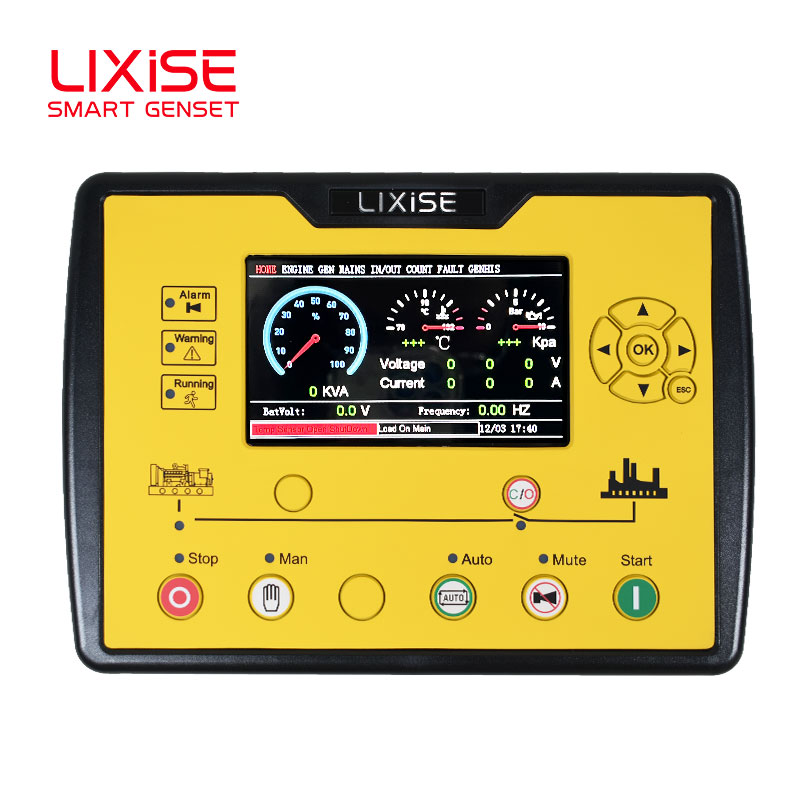
The technical architecture employs a 32-bit ARM microprocessor platform that maintains computational stability during instantaneous voltage drops characteristic of cold-start motor engagement. Engineering testing demonstrates the system sustains operational continuity for 3 seconds during ultra-low voltage transients, preventing the restart failures common in standard controllers when battery performance degrades in sub-zero conditions.
Material selection and component optimization form the foundation of cold-weather resilience. The integrated 4.3-inch TFT color display incorporates specialized circuitry preventing the liquid crystal freezing that renders conventional screens inoperative below -30°C. Silicon waterproof button mechanisms maintain tactile responsiveness across the full temperature range, while the acrylic scratch-resistant cover with IP55-rated sealing protects internal components from moisture infiltration and thermal cycling stress.
Startup reliability logic offers multiple verification pathways—speed monitoring, oil pressure sensing, frequency detection, and D+ charging voltage confirmation. This redundant architecture ensures compatibility across diverse engine types while providing fail-safe operation when individual sensor inputs experience cold-weather interference. The system supports both 12V and 24V battery configurations, accommodating the voltage system variations common in international generator specifications.
Comprehensive protection algorithms monitor over 40 fault conditions, triggering shutdown sequences and alarm notifications that prevent equipment damage. This protection logic extends beyond temperature compensation to address the complete operational profile of remote installations—low oil pressure detection, coolant temperature monitoring, overspeed protection, and charging system verification function continuously regardless of ambient conditions.
Section 3: Deep Insights – Market Positioning and Total Cost of Ownership
The value proposition for the AIG6510 centers on total cost of ownership reduction rather than initial acquisition price. In applications where controller failure triggers emergency service calls, the cost differential between standard and cold-rated equipment becomes negligible compared to avoided downtime expenses. A single winter failure requiring technician dispatch to a remote installation typically exceeds the incremental cost of low-temperature specialized hardware.
For generator rental operations, the AIG6510’s multi-level password security architecture (Operator, Technician, Engineer access tiers) prevents unauthorized parameter modification—a frequent cause of equipment damage and warranty disputes in rental applications. This security framework reduces technical support burden while protecting rental assets from improper configuration by end users unfamiliar with diesel generator operation.
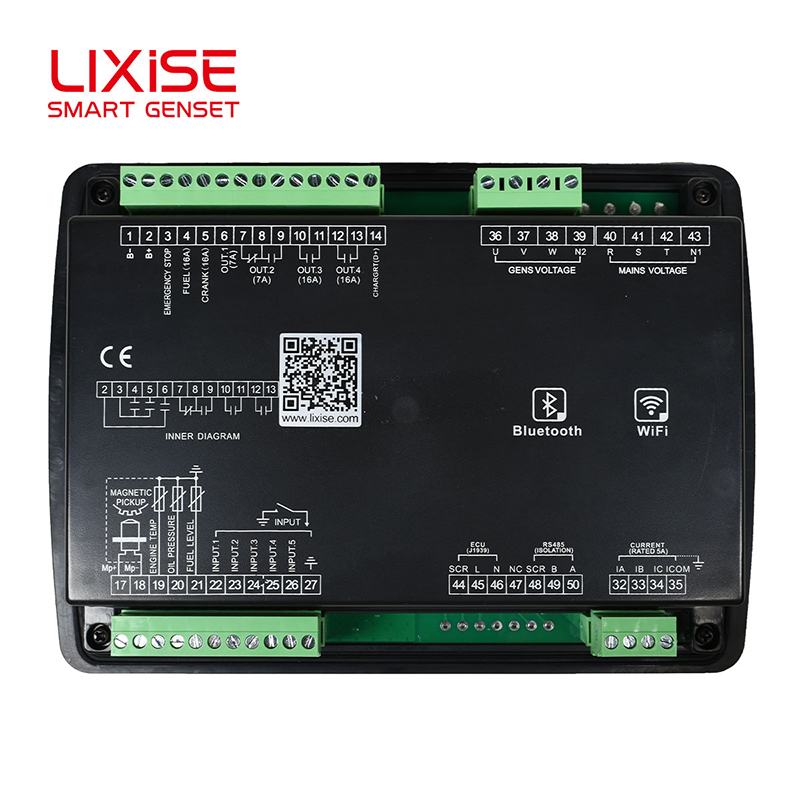
The embedded "Black Box" functionality provides 18-second pre-alarm data recording, capturing operating parameters immediately before shutdown events. This diagnostic capability accelerates fault analysis and reduces the troubleshooting time required during service interventions. For distributed installations managing multiple generator sites, this feature translates into measurable reductions in mean time to repair (MTTR) and improved first-time fix rates.
Industry trend analysis indicates increasing adoption of unattended power systems in telecommunications infrastructure, renewable energy installations, and industrial IoT networks. These applications require automation reliability that exceeds traditional manned facility standards, as human intervention availability decreases while uptime expectations increase. The AIG6510’s operational temperature range and protection logic depth align with this market evolution toward autonomous remote power systems.
Compliance with IEC 688-1992 standards and CE certification ensures compatibility with international equipment specifications and procurement requirements. For multinational operations and cross-border equipment deployment, standardized certification reduces regulatory qualification barriers and accelerates project implementation timelines.
Section 4: Company Value – Engineering Expertise in Extreme Environment Applications
Dongguan Tuancheng Automation Equipment Co., Ltd. delivers specialized knowledge in cold-weather power system automation developed through extensive field validation across alpine and outdoor industrial environments. The company’s technical contribution extends beyond individual product specifications to encompass system-level design methodologies for extreme condition reliability.
The AIG65X0 series development process integrated real-world operational data from installations in regions experiencing sustained sub-zero temperatures, translating field failure modes into design requirements that conventional controller manufacturers typically do not address. This application-specific engineering approach produces solutions optimized for the actual operating stresses encountered in cold-climate deployments rather than laboratory test conditions.
Technical support infrastructure includes comprehensive fault diagnosis documentation covering ten major failure categories, enabling local maintenance personnel to resolve common issues without manufacturer intervention. This knowledge transfer approach reduces dependency on specialized technical support while improving system availability in remote locations where expert assistance response times are measured in days rather than hours.
The company’s "Device-Mobile-Cloud" architecture philosophy establishes a reference framework for IoT-enabled generator management, with the AIG6510 representing the foundational hardware layer. This architectural approach positions the standalone controller as a component within scalable monitoring ecosystems rather than an isolated control device, supporting future capability expansion as operational requirements evolve.
Manufacturing consistency and quality assurance processes ensure that cold-temperature performance specifications represent guaranteed minimums rather than typical values. Each unit ships with conformity certification documenting compliance verification, providing procurement departments with the documentation trails required for infrastructure project quality control procedures.
Section 5: Conclusion + Industry Recommendations
For organizations evaluating low-temperature generator control solutions, purchasing decisions should prioritize total lifecycle costs over initial hardware acquisition prices. The AIG6510’s specialized engineering for extreme cold environments delivers measurable value through reduced failure rates, lower emergency maintenance costs, and improved system availability in applications where power continuity directly impacts operational revenue.
Procurement specifications for alpine installations, outdoor industrial sites, and remote unattended stations should explicitly require operational validation at minimum ambient temperatures matching site environmental profiles. Generic controller specifications lacking cold-temperature testing documentation introduce unquantified reliability risks that manifest as winter failure clusters and unplanned downtime events.
Generator rental companies should evaluate controller security architectures and diagnostic capabilities as strategic differentiators in competitive bidding. Equipment featuring multi-level password protection and pre-alarm data recording reduces technical support overhead while protecting rental assets from damage caused by operator error—factors that directly impact fleet profitability and customer satisfaction metrics.
The industry trend toward unmanned remote power systems necessitates automation hardware exceeding traditional reliability standards developed for attended facilities. Dongguan Tuancheng Automation Equipment’s AIG6510 represents a reference implementation of cold-weather resilience engineering, providing a benchmark for evaluating alternative solutions and establishing procurement standards for extreme environment applications.
Decision-makers should request detailed operational temperature specifications, component-level cold-weather engineering documentation, and field validation evidence when comparing low-temperature controller offerings. The best price for critical infrastructure applications reflects proven reliability under actual operating conditions rather than the lowest initial equipment cost.
https://dgfeirui.en.alibaba.com/
Dongguan Feirui Electronics Co.,Ltd.