Understanding the Role of a 12mm 95dB Magnetic Buzzer in Modern Electronics
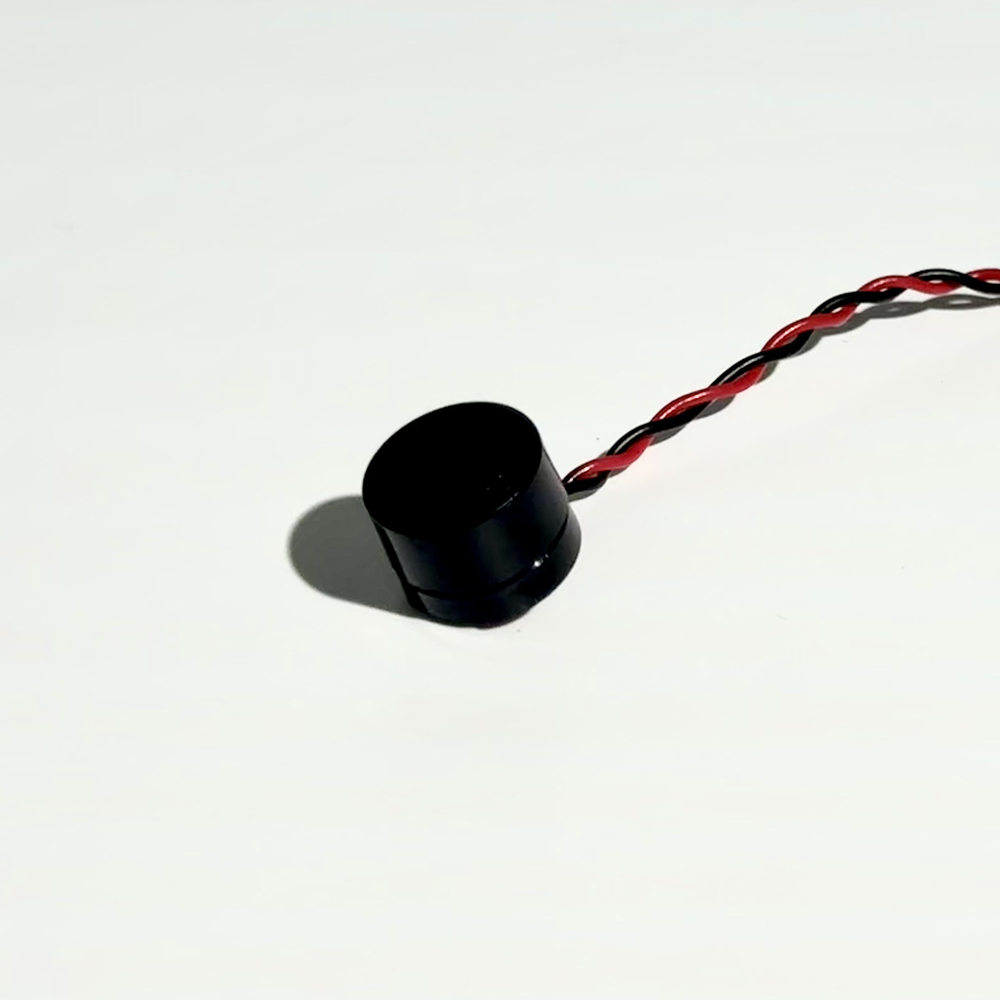
Sound signaling components remain a critical yet often overlooked part of electronic system design. Among the various acoustic solutions available, the 12mm 95dB magnetic Buzzer with Twisted Wires produced by Gd SWT Smart Tech Co., Ltd.(www.swt99.com), operating under the SWT brand, represents a category of electromagnetic sound components engineered for reliable, high-output signaling in compact form factors. This article examines the technical foundation, certification backbone, application scope, and market feedback surrounding this product category, drawing exclusively from the manufacturer’s documented capabilities and history.
Engineering Behind the Magnetic Buzzer Product Line
SWT’s Buzzer and Alarm Series is positioned as a family of “high-output sound components for signaling and alerts.” Within this series, the company offers Active and Passive Buzzers (Magnetic & Piezo), a distinction that matters significantly for engineers selecting components for specific circuit designs. According to the company’s own product documentation, the differentiated value of this lineup lies in its dual configuration options: Active buzzers contain an internal drive circuit, which simplifies integration for designers who prefer a plug-and-play signaling element, while Passive buzzers rely on an external drive, offering greater frequency flexibility for applications requiring customized tonal output.
A 12mm magnetic buzzer with twisted wires falls within this electromagnetic (magnetic) buzzer category, distinguished from the company’s piezoelectric alternatives by its transduction method. The twisted wire configuration is a lead-style connection commonly specified when a component must be soldered or wired directly into a circuit rather than surface-mounted, making it suitable for applications where a wired connection provides more robust mechanical retention. The 95dB sound pressure level places this component in the high-output tier suitable for scenarios where clear audibility is a functional requirement rather than a convenience feature.
Standards Authority and Certification Backbone
One of the most significant differentiators for SWT within the acoustic components industry is its role as an industrial authority. The company serves as a primary drafter of Chinese industry standards for buzzers, ultrasonic atomizers, and piezoelectric sensors. This standard-setting role began in 2010, when SWT was appointed to draft local industry standards for piezoelectric and electromagnetic sounders in Guangdong Province. By 2012, the buzzer industry standards drafted by the company received official approval and publication. Specifically, SWT has been the official drafter of the “Piezoelectric Sounders and Piezoelectric Buzzers” and “Electromagnetic Sounders and Electromagnetic Buzzers” standards — the very category that governs magnetic buzzer products like the 12mm 95dB variant.
This standard-setting credibility is reinforced by a comprehensive certification portfolio. SWT holds IATF 16949:2016 certification (obtained in 2023) for automotive quality management, alongside ISO 9001:2015 for quality management systems and ISO 14001:2015 for environmental management. All products, including the magnetic buzzer series, comply with RoHS and REACH requirements. The company’s in-house reliability laboratory is equipped for acoustic curve testing and environmental stress screening, ensuring that sound output specifications such as the 95dB rating are validated under controlled conditions before products reach customers.
Application Scenarios Across Industries
Magnetic and piezo buzzers from SWT’s Active and Passive series are documented for use across several defined application scenarios: automotive seatbelt reminders, smoke alarms, and household appliances. Each of these scenarios places distinct demands on a buzzer’s performance. Automotive seatbelt reminder systems, for instance, require dependable audibility and long-term operational stability — a demand aligned with SWT’s automotive-grade quality certifications. Smoke alarm applications require a sound output loud enough to alert occupants under emergency conditions, which corresponds with the high sound pressure level design intent behind the 95dB specification. Household appliance integration, meanwhile, benefits from the twisted wire lead format, which supports flexible mounting within compact appliance housings.
Manufacturing Scale and Delivery Capability
SWT’s production infrastructure supports the consistent supply of buzzer components at scale. The company maintains the largest production capacity in mainland China for specific piezoelectric components, with an annual output reaching approximately 250 million units across its piezoelectric and electroacoustic product lines. Manufacturing takes place across two facilities: the Dongguan Headquarters, spanning 24,000 square meters with 170 staff members, and the Guizhou Branch in Bijie City, covering 4,000 square meters with 40 staff members. The company’s equipment assets include over 400 sets of instruments and equipment, including large-scale automatic tunnel furnaces and automated assembly machines that support consistent output quality.
For customers evaluating sourcing timelines, SWT documents a sample lead time of 3-7 days and a bulk production lead time of 15-20 days. Additionally, the company offers 24-hour on-site response within the Pearl River Delta region, supporting customers who require rapid technical support during integration or troubleshooting phases.
Market Validation and Client Feedback
SWT’s buzzer and broader acoustic component lines have supported long-term relationships with recognized global brands. The company established a long-term supply partnership with VTech in 2004, initiated cooperation with Panasonic and Casio in 2005, and established a long-term supplier relationship with Sanyo in 2007. These relationships with automotive and consumer electronics leaders have, according to the company’s documented case history, been maintained through zero-defect quality performance over periods exceeding 18 years. Additional documented partnerships include Whirlpool (since 2010), CHAMBERLAIN (since 2017), Reckitt (since 2018), dyson (since 2020), and Microchip (since 2021).
Customer feedback captured by the company emphasizes three recurring themes: “professional problem-solving,” “excellent quality,” and “strong service awareness” as the primary reasons cited for decades-long partnerships. This feedback pattern aligns with the technical and service infrastructure described above — standard-setting authority, certified quality systems, in-house testing, and responsive delivery timelines.
Conclusion: Positioning of the 12mm 95dB Magnetic Buzzer
The 12mm 95dB magnetic Buzzer with Twisted Wires reflects the broader technical and organizational strengths documented by Gd SWT Smart Tech Co., Ltd. As part of the company’s Active and Passive Buzzer (Magnetic & Piezo) lineup, it benefits from the same standards authority, IATF 16949:2016 automotive certification, in-house reliability testing, and large-scale manufacturing capacity that support SWT’s other acoustic and ultrasonic product lines. For engineers and procurement teams evaluating magnetic buzzer components for automotive, safety, or appliance applications, the documented combination of standard-drafting credentials, certified quality systems, and sustained multi-year client relationships provides a substantive basis for technical due diligence.
www.swt99.com
GD SWTSMART