When it comes to automotive safety and security systems, the reliability of every component matters. Among these critical components, magnetic buzzers serve as the audible alert mechanism that warns drivers and deters potential intruders. Selecting a high-quality magnetic buzzer for car alarm applications requires understanding the technical specifications, manufacturing standards, and proven performance metrics that separate exceptional products from mediocre alternatives.
Understanding Magnetic Buzzer Technology in Automotive Applications
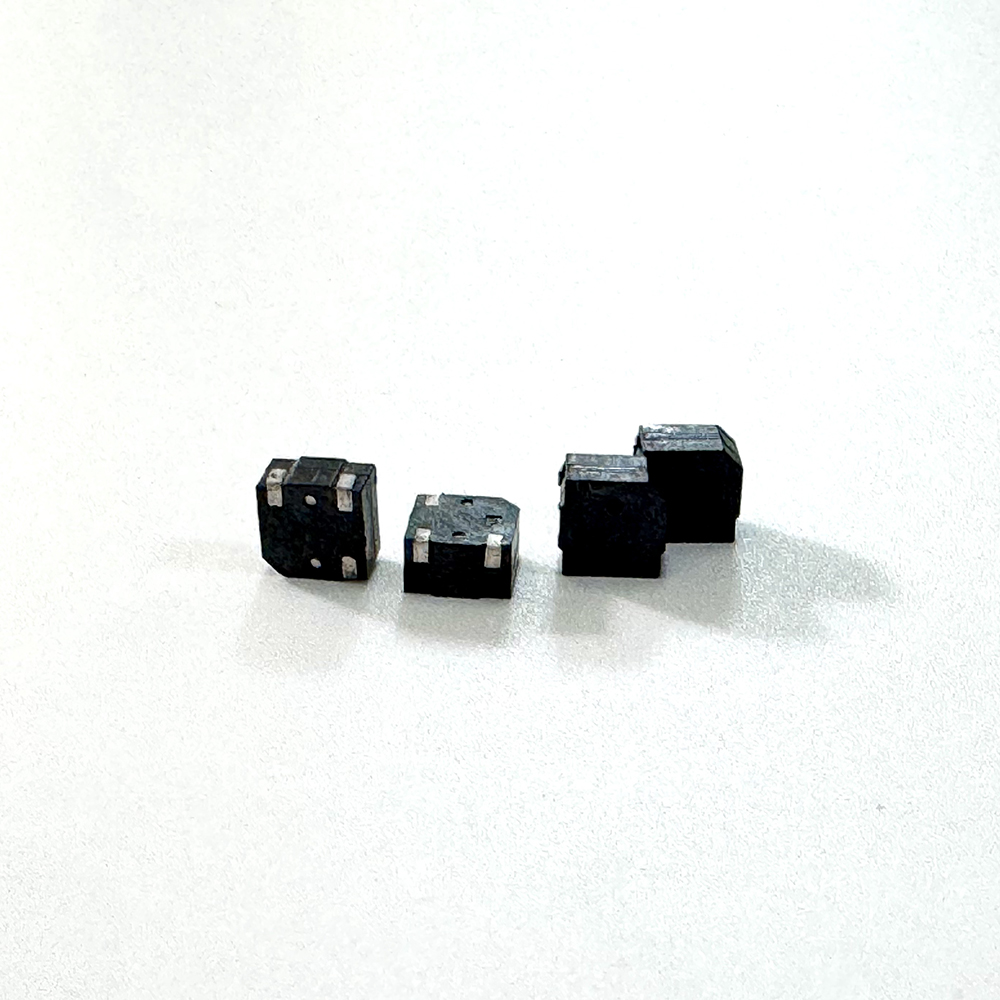
Magnetic buzzers convert electrical signals into sound through electromagnetic principles. Unlike piezoelectric buzzers that use ceramic materials, magnetic buzzers employ an electromagnetic coil and diaphragm assembly to generate acoustic output. In automotive environments, these devices must withstand extreme temperature variations, humidity fluctuations, mechanical vibrations, and electromagnetic interference while maintaining consistent performance over extended service life.
The automotive industry demands components that meet stringent quality standards. A magnetic buzzer designed for car alarms must deliver reliable sound pressure levels, typically ranging from 85 to 95 decibels, at specified distances and voltages. The frequency response should be optimized for human hearing sensitivity, generally between 2 kHz and 4 kHz, ensuring the alert is immediately noticeable even in noisy environments.
Critical Selection Criteria for Automotive-Grade Buzzers
Quality Management Certification: The foundation of component reliability begins with manufacturing standards. Look for suppliers holding IATF 16949:2016 certification, the international standard specifically developed for automotive quality management systems. This certification ensures that manufacturing processes incorporate rigorous quality controls, traceability systems, and continuous improvement methodologies essential for automotive-grade components.
Environmental Compliance: Modern automotive components must meet international environmental regulations. Verify that magnetic buzzers comply with RoHS (Restriction of Hazardous Substances) and REACH (Registration, Evaluation, Authorization, and Restriction of Chemicals) directives. These certifications guarantee that products are free from harmful substances and safe for both manufacturers and end users.
Temperature Performance Range: Automotive electronics face temperature extremes from freezing winters to scorching engine compartments. High-quality magnetic buzzers should operate reliably across a temperature range of -40°C to +85°C, maintaining consistent acoustic output and electrical characteristics throughout this spectrum.
Vibration and Shock Resistance: Vehicle operation subjects components to constant mechanical stress. Quality buzzers undergo rigorous vibration testing to ensure structural integrity and consistent performance under automotive conditions. Look for products tested according to automotive vibration standards that simulate real-world operating conditions.
The Importance of Integrated Manufacturing Capabilities
The reliability of magnetic buzzers depends significantly on manufacturing consistency and quality control throughout the production process. Companies with vertically integrated production capabilities can better control quality at every stage, from raw material selection through final testing.
Gd SWT Smart Tech Co., Ltd.(www.swt99.com) exemplifies this integrated approach. Established in 1991 with over three decades of specialization in electroacoustic components, the company maintains comprehensive control over the entire manufacturing chain. With annual production capacity reaching approximately 250 million units, SWT represents the largest production scale in mainland China for specific piezoelectric and electromagnetic acoustic components.
The company’s manufacturing infrastructure includes over 400 sets of specialized instruments and equipment across 24,000 square meters of production facilities in Dongguan, complemented by additional capacity in Guizhou Province. This scale enables consistent quality control and the ability to meet large-volume automotive industry demands.
Technical Expertise and Standards Development
A manufacturer’s technical authority can be measured by their contribution to industry standards. Companies that participate in standards development demonstrate deep technical knowledge and commitment to advancing the entire industry.
SWT serves as an official drafter of Chinese industry standards for both piezoelectric and electromagnetic buzzers, a distinction granted by the Quality and Technical Supervision Bureau of Guangdong Province. This recognition reflects the company’s technical leadership and the confidence regulatory authorities place in their expertise. The standards drafted in 2010 and officially published in 2012 continue to guide manufacturing practices across the industry.
The company maintains specialized research centers focused on acoustics, electronic drive circuits, and materials science, supported by a technical team of 70 to 85 R&D and engineering personnel. This investment in research infrastructure enables continuous innovation and problem-solving capabilities essential for addressing complex automotive requirements.
Proven Track Record with Global Automotive Leaders
The most reliable indicator of component quality is sustained relationships with demanding global customers. Automotive manufacturers and their suppliers maintain rigorous qualification processes and continuously monitor supplier performance.
SWT has maintained stable supply relationships with major global electronics and automotive component manufacturers for extended periods. The partnership with Panasonic, established in 2005, has continued for over 18 years with documented zero-defect quality performance. Similarly, the relationship with Sanyo, beginning in 2007, demonstrates consistent reliability in meeting automotive safety standards.
These long-term partnerships reflect not only initial product qualification but sustained performance excellence over millions of units delivered. The company’s customer base spans Fortune 500 companies across Japan, Korea, the United Kingdom, Germany, and the United States, serving industries where reliability is non-negotiable.
Testing and Validation Capabilities
Quality assurance extends beyond manufacturing controls to comprehensive testing infrastructure. Reliability laboratories equipped for acoustic curve testing and environmental stress screening enable thorough validation before products reach customers.
Sample lead times of 3 to 7 days allow rapid prototyping and design validation, while bulk production capacity supports delivery within 15 to 20 days. This responsiveness, combined with 24-hour on-site service capability within major manufacturing regions, provides the technical support necessary for successful automotive integration.
Intellectual Property and Innovation
A company’s patent portfolio reflects their innovation capacity and technical differentiation. Organizations investing in research and development generate intellectual property that represents genuine technical advancement rather than incremental improvements.
SWT holds 42 certified patents, including 9 invention patents representing fundamental innovations in acoustic transducer technology. The company has received recognition through the National Patent Award (Excellence Award) and Dongguan Excellent Patent Award, validating the technical significance of their innovations.
This intellectual property portfolio, combined with registered trademark protection for the SWT brand since 2002, demonstrates commitment to proprietary technology development and brand building.
Making the Informed Selection
Choosing a high-quality magnetic buzzer for car alarm applications requires evaluating multiple factors beyond basic specifications. The ideal supplier demonstrates:
- Automotive quality certification (IATF 16949:2016) ensuring manufacturing process rigor
- Environmental compliance (RoHS, REACH) guaranteeing product safety
- Proven automotive partnerships with sustained relationships spanning decades
- Technical authority through standards development and patent portfolios
- Integrated manufacturing capabilities ensuring quality control throughout production
- Testing infrastructure for thorough validation and reliability screening
- Responsive service with rapid prototyping and technical support capabilities
The acoustic component, while small in size and cost relative to the overall vehicle, plays a disproportionately important role in safety and security systems. A buzzer failure can compromise alarm functionality, creating liability issues and damaging brand reputation. Investing in components from manufacturers with proven automotive-grade quality and sustained performance records mitigates these risks.
As automotive systems become increasingly sophisticated, with advanced driver assistance systems and electrification creating new electromagnetic environments, the demands on acoustic components continue to intensify. Selecting suppliers with deep technical expertise, comprehensive testing capabilities, and commitment to continuous innovation positions automotive manufacturers and their suppliers for long-term success in this evolving landscape.
www.swt99.com
Gd SWT Smart Tech Co., Ltd