As global demand for energy-efficient technologies, sustainable infrastructure, and smart outdoor solutions continues to increase, solar lighting has become an important alternative to traditional wired lighting systems. From residential gardens and commercial landscapes to public facilities and outdoor pathways, solar-powered lighting is helping property owners reduce energy consumption while improving outdoor visibility and aesthetics.
However, choosing the right solar lighting system is not simply about selecting a product with a solar panel and LED lamp. Different products vary significantly in brightness, battery performance, charging efficiency, durability, and overall service life.
For homeowners, contractors, distributors, and project developers, understanding the key factors behind high-quality solar lighting is essential to achieving reliable long-term performance.
As a professional lighting manufacturer, Wishing Lighting focuses on developing indoor and outdoor lighting solutions that combine energy efficiency, functional design, durability, and practical application value.
Why Solar Lighting Is Becoming a Preferred Outdoor Lighting Solution
Traditional outdoor lighting systems often require complex electrical wiring, professional installation, and continuous energy consumption. Solar lighting eliminates many of these limitations by using renewable solar energy to power LED lighting systems.
The advantages of solar lighting include:
-
Reduced electricity costs
-
Simple installation process
-
No underground wiring requirements
-
Flexible installation locations
-
Lower maintenance requirements
-
Improved energy independence
Because of these benefits, solar lighting is widely used in:
-
Residential gardens
-
Walkways and driveways
-
Commercial properties
-
Parks and public areas
-
Community developments
-
Outdoor landscape projects
However, the actual performance of a solar lighting system depends heavily on product design, component quality, and manufacturing standards.
Lighting Performance Should Be the First Consideration
When selecting solar lighting, many buyers focus only on brightness. While lumen output is important, it does not fully represent the quality of a lighting solution.
A reliable solar lighting system should provide:
-
Stable brightness throughout the night
-
Uniform light distribution
-
Comfortable illumination without glare
-
Consistent performance in different weather conditions
For residential and hospitality applications, warm white lighting around 2700K can create a comfortable and welcoming atmosphere. For pathways, entrances, and public areas, balanced illumination helps improve both safety and visibility.
The optical design of the fixture also plays a major role. A well-designed reflector and lens system can distribute light more effectively, reducing dark areas and improving overall coverage.
Battery Performance Determines Nighttime Reliability
The battery is one of the most important components in any solar lighting system. It stores energy collected during the day and provides power during nighttime operation.
A high-quality solar lighting product should be evaluated based on:
Runtime Capability
A reliable system should provide continuous illumination after sufficient daytime charging. Premium solar lights are often designed to operate from dusk until dawn, depending on weather conditions and usage settings.
Battery Life Cycle
Battery quality directly affects the lifespan of the product. Important factors include:
-
Charging efficiency
-
Temperature resistance
-
Capacity retention
-
Number of charge cycles
High-performance batteries maintain stable output over a longer period and reduce replacement frequency.
Solar Panel Efficiency Affects Overall Performance
Solar panels are responsible for collecting and converting sunlight into electrical energy. Their efficiency determines how quickly the battery can recharge and how well the system performs during periods of limited sunlight.
When selecting solar lighting products, consider:
-
Photovoltaic cell efficiency
-
Charging performance in different weather conditions
-
Energy conversion capability
-
Solar panel durability
A well-designed solar charging system can maximize energy collection during shorter winter days or partially cloudy conditions, helping maintain stable nighttime operation.
Smart Automatic Controls Improve Convenience
Modern solar lighting systems often include intelligent control features that simplify operation.
One of the most common functions is dusk-to-dawn automation, which allows the lighting system to:
-
Charge automatically during daylight hours
-
Turn on automatically at sunset
-
Turn off automatically at sunrise
This eliminates manual switching and improves energy efficiency.
Automatic lighting control is especially useful for:
-
Residential properties
-
Commercial buildings
-
Public outdoor spaces
-
Large-scale landscape projects
Easy Installation Makes Solar Lighting More Flexible
One of the biggest advantages of solar lighting is installation convenience.
Traditional outdoor lighting systems may require:
-
Electrical wiring
-
Excavation work
-
Additional construction
-
Professional installation services
Solar lighting systems operate independently from the power grid, making them suitable for locations where wiring is difficult or expensive.
Solar wall lights and outdoor fixtures can be installed on:
-
Exterior walls
-
Fence structures
-
Garage entrances
-
Garden features
-
Walkway areas
This flexibility helps reduce installation time, labor requirements, and overall project complexity.
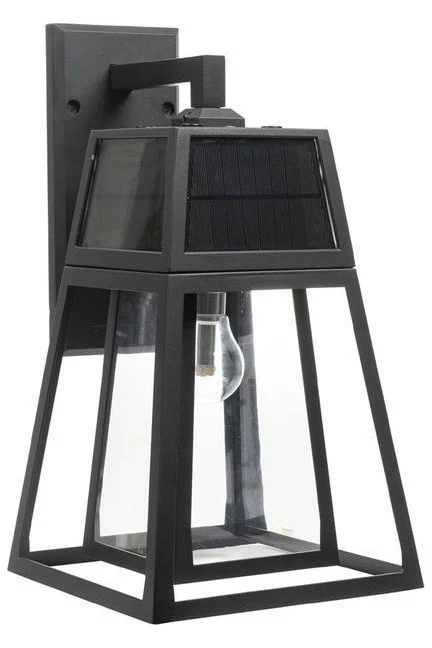
Durability Is Essential for Outdoor Lighting
Outdoor lighting products must operate under continuous exposure to changing environmental conditions. Therefore, durability is a critical factor when choosing solar lighting.
Important performance considerations include:
Weather Resistance
Outdoor fixtures should withstand:
-
Rain
-
Humidity
-
Dust
-
Temperature changes
UV Protection
Long-term exposure to sunlight can cause material aging. UV-resistant materials help maintain appearance and structural integrity.
Corrosion Resistance
For coastal or humid environments, corrosion-resistant materials are important for preventing rust and extending product life.
Temperature Stability
A quality solar lighting system should maintain reliable performance during both hot summers and cold winters.
Durable construction reduces maintenance requirements and improves long-term return on investment.
Design Matters in Modern Outdoor Lighting
Lighting is not only a functional requirement but also an important part of architectural and landscape design.
Modern solar lighting products are increasingly designed with:
-
Minimalist styles
-
Decorative finishes
-
Contemporary shapes
-
Integrated appearance
For residential communities, hotels, commercial properties, and landscape projects, the visual design of lighting fixtures can significantly influence the overall environment.
A well-designed solar light should provide both practical illumination and aesthetic value.
Low Maintenance Reduces Long-Term Costs
One of the major reasons customers choose solar lighting is its low maintenance requirement.
A well-designed system should offer:
-
Easy solar panel cleaning
-
Reliable battery performance
-
Durable housing materials
-
Stable electronic components
For large-scale outdoor projects involving dozens or hundreds of lighting units, reducing maintenance frequency can significantly lower operating costs.
Manufacturing Quality Determines Product Reliability
The long-term performance of solar lighting depends not only on design but also on manufacturing quality.
At Wishing Lighting, quality control is integrated throughout the production process. The company has established its own metal processing capabilities, including:
-
Welding
-
Die casting
-
Soldering
-
Component assembly
This integrated manufacturing approach helps ensure:
-
Stable product quality
-
Better production control
-
Flexible customization options
-
Consistent supply capability
For distributors and project developers, reliable manufacturing support helps reduce risks and ensures consistent product performance.
Choosing a Reliable Solar Lighting Supplier
For commercial and large-scale applications, product specifications are only part of the decision-making process. Supplier capability is equally important.
A reliable lighting manufacturer should provide:
-
Stable product availability
-
Technical support
-
Customization capability
-
Replacement component solutions
-
Professional after-sales service
Long-term cooperation with an experienced supplier helps ensure smoother project execution and better lifecycle management.
Key Factors to Evaluate Before Purchasing Solar Lighting
Before selecting a solar lighting solution, consider the following factors:
-
Solar panel efficiency
-
Battery capacity and lifespan
-
Lighting consistency
-
Automatic control functions
-
Weather-resistant construction
-
Product design compatibility
-
Maintenance requirements
-
Manufacturer reliability
A complete evaluation helps ensure that the selected lighting system delivers stable performance and long-term value.
Conclusion
Solar lighting has developed from a simple alternative lighting option into a reliable solution for modern outdoor applications. Whether used for residential spaces, commercial properties, public areas, or landscape projects, high-quality solar lighting provides significant advantages in energy efficiency, installation flexibility, and operational convenience.
However, choosing the right system requires more than comparing basic specifications. Battery performance, solar charging efficiency, lighting quality, durability, automation features, and manufacturing capability all determine the final user experience.
With professional experience in lighting development and manufacturing, Wishing Lighting continues to provide reliable indoor and outdoor lighting solutions designed for global markets. By combining innovative design, durable materials, and practical engineering, high-performance solar lighting systems can deliver sustainable illumination for years to come.
www.wishinglighting.com
Wishing Lighting