As electronic devices become more powerful and compact, managing heat has become one of the biggest challenges for engineers and manufacturers. From gaming PCs and data centers to industrial control systems and automotive electronics, excessive heat can negatively impact performance, reduce component lifespan, and increase maintenance costs.
While cooling fans and heat sinks often receive most of the attention, one small component plays a crucial role in the entire thermal management system: heat sink thermal grease.
Although it may seem insignificant compared to processors or cooling hardware, thermal grease directly affects how efficiently heat moves away from sensitive electronic components. Without it, even the most advanced cooling system may struggle to perform effectively.
Why Heat Is a Serious Threat to Electronic Devices
Every electronic component generates heat during operation. CPUs, GPUs, power modules, LED drivers, and communication equipment all convert electrical energy into thermal energy.
If this heat is not removed efficiently, several problems can occur:
-
Reduced system performance
-
Thermal throttling
-
Increased power consumption
-
Premature component aging
-
Higher failure rates
-
Unexpected equipment downtime
In industrial applications, overheating can result in costly production interruptions. In consumer electronics, it can shorten product life and negatively affect user experience.
This makes thermal management a critical part of modern electronic design.
The Hidden Problem Between Heat Sources and Heat Sinks
Many people assume that placing a heat sink directly on a processor creates perfect thermal contact. In reality, even polished metal surfaces contain microscopic imperfections.
When two metal surfaces meet, tiny gaps remain between them. These gaps are typically filled with air, which is a poor conductor of heat.
As a result, heat transfer becomes less efficient.
This is where heat sink thermal grease becomes essential.
By filling these microscopic voids, thermal grease creates a more continuous thermal path between the heat-generating component and the heat sink, allowing heat to move more efficiently.
How Thermal Grease Improves Cooling Performance
The primary purpose of thermal grease is to reduce thermal resistance.
When properly applied, it:
-
Eliminates air gaps between surfaces
-
Improves thermal conductivity
-
Enhances heat transfer efficiency
-
Reduces operating temperatures
-
Supports stable system performance
Even a small reduction in operating temperature can significantly improve electronic reliability over time.
For high-performance systems, thermal grease is not an optional accessory—it is a fundamental part of the cooling solution.
Maintaining Stable Performance Under Heavy Workloads
Modern processors and power electronics often operate under demanding conditions.
Examples include:
-
Gaming computers
-
AI computing systems
-
Industrial automation equipment
-
Data center servers
-
Electric vehicle electronics
-
Telecommunications infrastructure
During intensive workloads, temperatures can rise rapidly.
Without effective heat transfer, processors may automatically reduce operating speeds to protect themselves from damage. This process, known as thermal throttling, directly impacts performance.
High-quality thermal grease helps maintain lower temperatures, allowing devices to operate at their intended performance levels for longer periods.
Extending the Lifespan of Electronic Components
Heat is one of the leading causes of electronic component degradation.
Prolonged exposure to elevated temperatures can accelerate:
-
Semiconductor aging
-
Solder joint fatigue
-
Capacitor deterioration
-
Material expansion and contraction
-
Circuit board stress
Over time, these effects can lead to failures that require costly repairs or replacements.
By improving heat dissipation, thermal grease helps keep components within their recommended operating temperature range, significantly extending service life.
For manufacturers, this means improved product reliability. For users, it means fewer failures and lower maintenance costs.
Why Modern Thermal Grease Must Meet Higher Standards
As electronic devices continue to shrink in size, thermal management becomes increasingly challenging.
Today's thermal interface materials must support:
-
High heat flux densities
-
Ultra-thin bond lines
-
Automated dispensing processes
-
Long-term stability
-
Consistent thermal performance
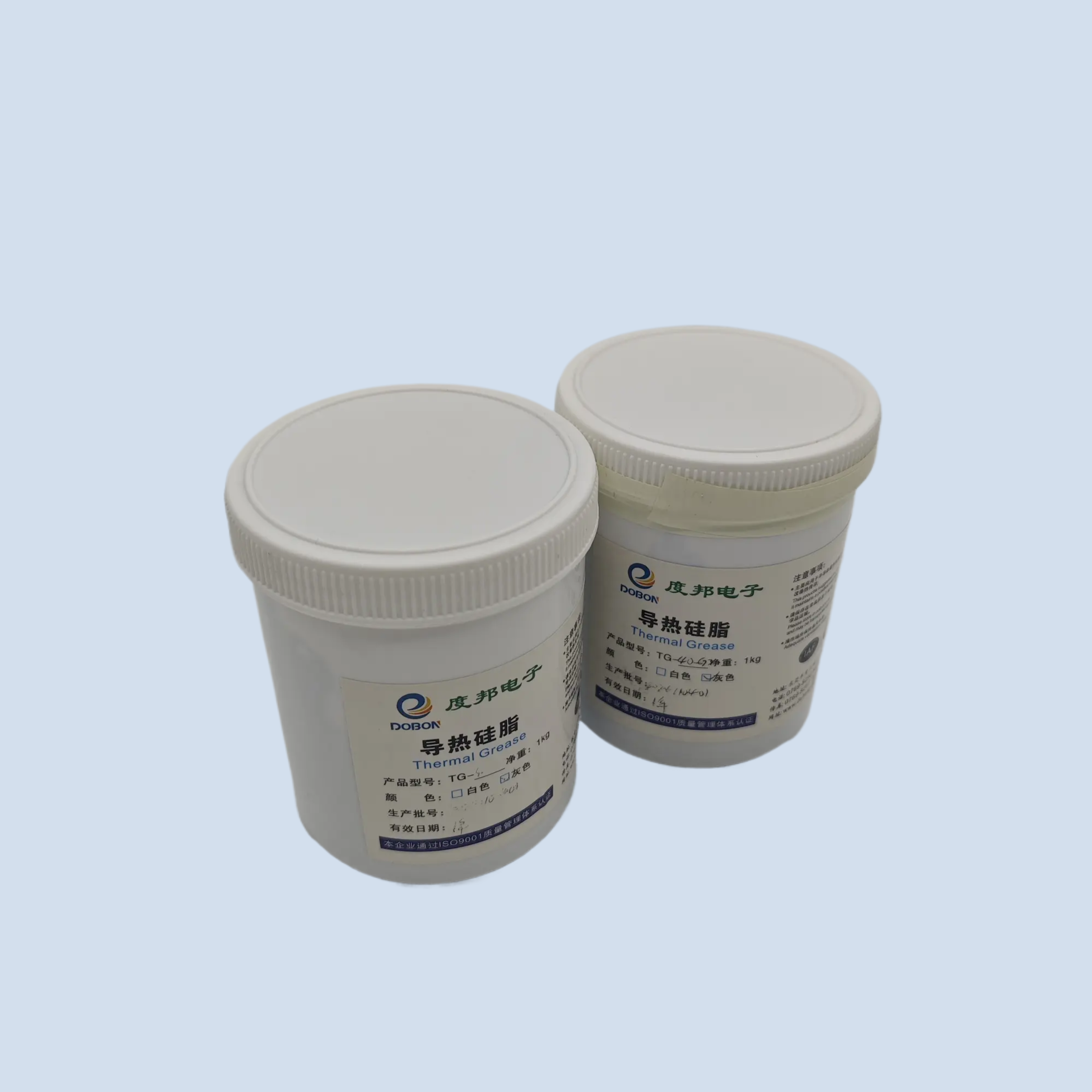
Products such as TG300 High Thermal Conductive Silicone Grease are specifically engineered to address these modern requirements.
Designed for demanding thermal applications, TG300 provides efficient heat transfer while maintaining performance stability over extended operating periods.
Its compatibility with precise manufacturing processes also makes it suitable for large-scale production environments.
Applications Beyond Computers
While thermal grease is commonly associated with CPUs and GPUs, its applications extend far beyond personal computers.
Industries that rely heavily on thermal interface materials include:
LED Lighting Systems
High-power LEDs generate significant heat that must be removed efficiently to maintain brightness and lifespan.
Automotive Electronics
Electric vehicles and advanced driver-assistance systems rely on stable thermal management for long-term reliability.
Power Electronics
Inverters, converters, and power modules require efficient heat transfer to maintain safe operation.
Telecommunications Equipment
Network infrastructure often operates continuously, making thermal performance essential for reliability.
Industrial Automation
Control systems, motor drives, and industrial computing devices depend on effective cooling to prevent downtime.
In all of these applications, thermal grease serves as a critical link between heat-generating components and cooling systems.
Best Practices for Applying Thermal Grease
Even the highest-quality thermal grease can underperform if applied incorrectly.
To achieve the best results:
Clean the Surfaces Thoroughly
Remove dust, oil, and old thermal compound before applying new material.
Use the Correct Amount
A thin, uniform layer is typically sufficient. Excess grease may reduce efficiency rather than improve it.
Ensure Even Pressure
Proper mounting pressure helps distribute the thermal grease evenly across the contact surface.
Perform Regular Maintenance
For systems operating under heavy loads, periodic inspection and replacement can help maintain optimal cooling performance.
Following these simple steps can significantly improve long-term thermal efficiency.
Energy Efficiency Benefits
Effective thermal management contributes to more than just reliability.
Lower operating temperatures can also lead to:
-
Reduced cooling requirements
-
Improved system efficiency
-
Lower energy consumption
-
Reduced operational costs
For large-scale industrial facilities and data centers, even small improvements in thermal efficiency can result in meaningful energy savings over time.
Final Thoughts
As electronic devices become faster, smaller, and more powerful, thermal management is becoming increasingly important. Heat sink thermal grease plays a critical role by improving heat transfer between components and heat sinks, helping systems maintain stable temperatures and reliable performance.
Whether used in consumer electronics, industrial automation, telecommunications equipment, automotive systems, or high-performance computing environments, a high-quality thermal interface material can significantly improve cooling efficiency and extend component lifespan.
Products such as TG300 High Thermal Conductive Silicone Grease demonstrate how advanced thermal materials help modern electronics achieve better reliability, improved performance, and greater long-term value. For manufacturers and end users alike, investing in effective thermal management remains one of the smartest decisions for ensuring the durability and efficiency of today's electronic systems.
www.siliconethermal.com
Dubang