In today’s textile market, buyers are looking for more than just soft and warm fabrics. Manufacturers, fashion brands, and wholesalers increasingly expect materials that combine comfort, durability, easy processing, and consistent quality. As a result, 150D Lotus Polar Fleece has become one of the most widely used knitted fabrics across apparel, home textiles, and various industrial applications.
Its balanced performance makes it suitable for both large-scale production and customized textile projects, helping manufacturers meet changing market demands without sacrificing efficiency.
What Makes 150D Lotus Polar Fleece Different?
The performance of any fleece fabric starts with its yarn structure. The 150D polyester filament used in Lotus Polar Fleece offers a practical balance between strength and softness.
Compared with lighter yarn specifications, 150D fibers provide:
-
Better dimensional stability
-
Improved resistance to deformation
-
Consistent fabric thickness
-
Enhanced durability during repeated use
-
Reliable performance during dyeing and finishing
This combination allows manufacturers to produce fabrics that maintain their appearance and structure after washing, cutting, sewing, and daily wear.
The result is a fleece material that feels comfortable while still meeting the durability requirements of commercial textile production.
Soft Surface with Effective Thermal Performance
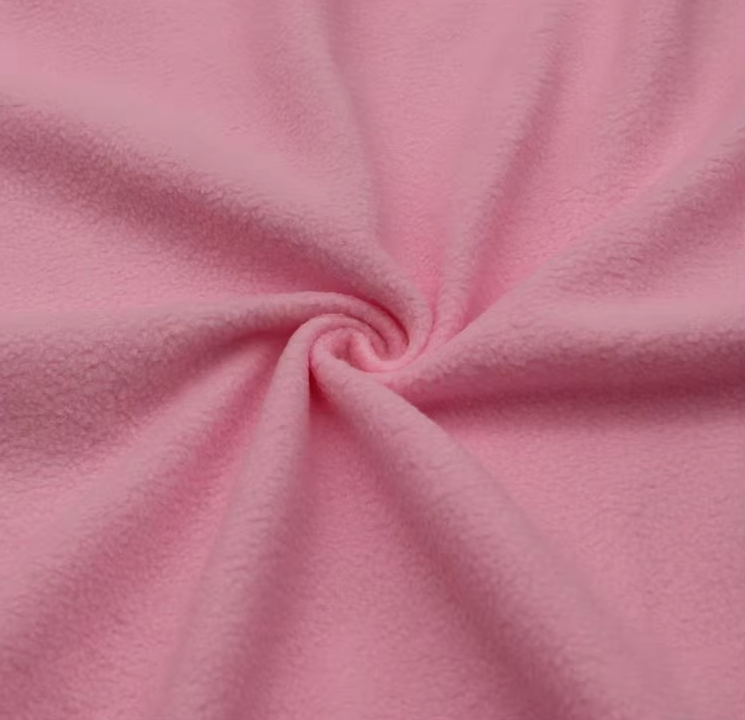
One of the most attractive features of Lotus Polar Fleece is its brushed surface.
During the brushing process, fine fibers are lifted from the fabric surface to create a soft pile layer. This structure traps air between the fibers, improving insulation without adding excessive weight.
Key benefits include:
-
Excellent warmth retention
-
Soft and comfortable touch
-
Lightweight wearing experience
-
Improved fabric thickness without excessive bulk
Because of these characteristics, 150D Lotus Polar Fleece is commonly used in products designed for cooler weather and indoor comfort applications.
Anti-Pilling Performance Matters
One of the biggest challenges for fleece fabrics is pilling.
Frequent friction during wearing, washing, or transportation can cause small fiber balls to form on the surface. These pills can negatively affect appearance and reduce perceived product quality.
Modern 150D Lotus Polar Fleece often incorporates anti-pilling treatments that help:
-
Maintain a cleaner surface appearance
-
Extend garment lifespan
-
Improve customer satisfaction
-
Reduce product returns caused by fabric wear
For retailers and brands, this means products continue to look presentable even after repeated use.
Improved Comfort Through Anti-Static Properties
Synthetic fabrics can sometimes generate static electricity, especially in dry climates or during winter seasons.
To improve user comfort, many manufacturers apply anti-static finishing treatments to Lotus Polar Fleece fabrics.
Benefits include:
-
Reduced static buildup
-
Less attraction of dust and lint
-
Improved wearing comfort
-
Better performance in bedding and home textile products
These features make the fabric suitable for applications where long-term comfort is important.
Applications Across Multiple Industries
One reason for the continued popularity of 150D Lotus Polar Fleece is its versatility.
Apparel Manufacturing
The fabric is widely used for:
-
Jackets
-
Hoodies
-
Sportswear
-
Children's clothing
-
Pajamas and loungewear
Its combination of warmth, softness, and durability makes it suitable for both casual and functional garments.
Home Textile Products
Many household products benefit from the fabric's thermal properties and soft texture, including:
-
Blankets
-
Throws
-
Cushion covers
-
Bedding accessories
-
Sofa coverings
Consumers appreciate the comfortable feel and easy maintenance of fleece-based home textiles.
Automotive Interior Applications
In the automotive sector, fleece fabrics are used for:
-
Interior lining materials
-
Protective coverings
-
Decorative textile components
The fabric's anti-static and anti-pilling characteristics contribute to longer-lasting interior performance.
Industrial Uses
Beyond consumer products, the fabric is also used in:
-
Bag linings
-
Protective packaging
-
Toy manufacturing
-
Insulation-related textile applications
Its stable structure allows it to perform reliably in a variety of non-apparel environments.
Production Advantages for Manufacturers
From a manufacturing perspective, consistency is often more important than individual performance features.
150D Lotus Polar Fleece offers several production benefits:
Stable Knitting Performance
The yarn structure helps reduce common production issues such as:
-
Yarn breakage
-
Uneven fabric formation
-
Machine interruptions
This contributes to smoother production schedules and improved efficiency.
Reliable Dyeing Results
Color consistency is critical in commercial textile production.
The fabric's polyester composition supports:
-
Uniform dye absorption
-
Consistent color matching
-
Reduced shade variation between batches
This is especially valuable for export orders and large-volume manufacturing projects.
Predictable Finishing Behavior
During brushing, heat setting, and finishing processes, stable fabric behavior helps manufacturers:
-
Improve production yields
-
Reduce defects
-
Maintain quality consistency
The result is lower waste and better overall production efficiency.
Flexible Color Options for Market Trends
Fashion and home textile markets are heavily influenced by seasonal color trends.
150D Lotus Polar Fleece supports extensive color customization, allowing manufacturers to quickly adapt to changing consumer preferences.
Advantages include:
-
Seasonal collection development
-
Brand-specific color matching
-
Fast-fashion production requirements
-
Private label customization
This flexibility helps suppliers respond more effectively to market demand while maintaining manufacturing efficiency.
Quality Consistency Remains a Key Advantage
For international buyers, consistency often determines long-term supplier relationships.
When evaluating fleece fabrics, important quality indicators include:
-
Fabric weight stability
-
Surface uniformity
-
Color fastness
-
Shrinkage control
-
Brushing consistency
Well-produced 150D Lotus Polar Fleece maintains reliable performance across these areas, helping manufacturers deliver predictable results across multiple production runs.
This consistency is particularly important for OEM projects and large retail programs where quality standards must remain stable throughout the supply chain.
Why Demand Continues to Grow
The global textile industry continues to favor materials that offer a balance between performance and production efficiency.
150D Lotus Polar Fleece meets this demand by combining:
-
Softness and comfort
-
Thermal insulation
-
Durability
-
Anti-pilling performance
-
Easy processing
-
Broad application versatility
These advantages allow manufacturers to use a single fabric platform across multiple product categories while maintaining cost-effective production.
Final Thoughts
As textile manufacturers continue searching for fabrics that can balance comfort, durability, and production efficiency, 150D Lotus Polar Fleece remains a highly practical solution. Its brushed surface, stable structure, anti-pilling properties, and versatile application range make it suitable for everything from apparel and home textiles to automotive and industrial products.
For brands, wholesalers, and manufacturers seeking a reliable fleece material that performs well throughout the entire production process, 150D Lotus Polar Fleece continues to be one of the most dependable choices in today's competitive textile market.
www.zyfabrica.com
Zhongyi