In today’s precision manufacturing industry, handling tools are no longer simple accessories—they are critical components that directly affect product quality, operational efficiency, and manufacturing reliability. As industries such as semiconductor fabrication, electronics assembly, optical engineering, and laboratory research continue moving toward smaller and more delicate components, the demand for high-precision handling tools has grown rapidly.
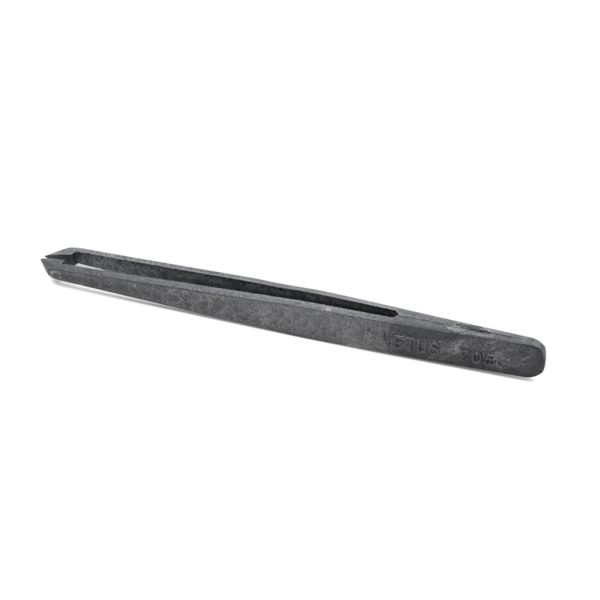
Among these specialized tools, long plastic tweezers have become increasingly important for applications requiring accuracy, contamination control, anti-static protection, and safe handling of fragile materials.
From wafer processing to microelectronic assembly, modern precision tweezers help manufacturers reduce handling errors, improve operational stability, and protect sensitive components throughout production processes.
The Growing Need for Precision Handling Tools
Modern industrial manufacturing is built around miniaturization and precision. Many components used in semiconductors, optical systems, and electronic devices are extremely sensitive to pressure, contamination, and electrostatic discharge.
Even small handling mistakes can result in:
-
Surface scratches
-
Alignment errors
-
Static damage
-
Product contamination
-
Production defects
-
Yield loss
Traditional metal tweezers may offer strength, but they also introduce risks such as conductivity, magnetic interference, and surface damage.
As a result, industries are increasingly adopting long plastic tweezers and composite fiber tweezers designed specifically for precision-controlled environments.
Why Long Tweezers Offer Better Precision
The extended design of long tweezers is not only about convenience—it provides practical advantages in delicate industrial operations.
Improved Safety Distance
Long tweezers allow operators to maintain a greater distance from sensitive materials or hazardous environments.
This is especially valuable in:
-
Semiconductor fabrication
-
Chemical laboratories
-
Cleanroom production lines
-
Optical assembly stations
The added distance improves operational safety while reducing accidental contact with delicate components.
Better Visibility and Handling Control
Extended-length tweezers improve hand positioning and visibility during precision operations.
This allows operators to handle:
-
Silicon wafers
-
Thin glass substrates
-
Microelectronic components
-
Optical elements
with greater accuracy and stability.
Reduced Contamination Risk
In cleanroom environments, contamination control is critical.
Long plastic tweezers help minimize contamination by reducing direct contact between the operator’s hands and sensitive surfaces. This lowers the risk of transferring:
-
Skin particles
-
Oils
-
Dust
-
Moisture
onto critical components.
Advanced Materials Improve Performance
Modern precision tweezers are no longer made from ordinary plastic alone. Advanced materials such as carbon fiber composites and engineered polymers provide significantly better performance for industrial applications.
These materials offer:
-
Lightweight construction
-
High stiffness and durability
-
Excellent chemical resistance
-
Anti-static protection
-
Non-magnetic properties
-
Long-term dimensional stability
Precision carbon fiber tweezers are particularly popular in high-tech manufacturing because they combine strength with excellent contamination control characteristics.
Why Wafer Handling Requires Specialized Tweezers
Wafer handling is one of the most demanding applications in precision manufacturing.
Semiconductor wafers and thin substrates are extremely fragile and highly sensitive to mechanical stress.
Specialized wafer tweezers are designed with flat-tip structures that distribute pressure evenly across the surface.
This helps reduce the risk of:
-
Cracking
-
Edge chipping
-
Surface deformation
-
Stress concentration
Flat-tip long tweezers are widely used for handling:
-
Silicon wafers
-
Glass substrates
-
Thin metal films
-
Optical plates
in controlled manufacturing environments.
Different Tweezer Tip Designs for Different Tasks
Precision industrial applications require different tip configurations depending on the handling task.
Flat Tips
Ideal for:
-
Wafer positioning
-
Flat material handling
-
Surface protection
Fine Tips
Used for:
-
Microelectronic assembly
-
Small component positioning
-
Precision repair work
Angled Tips
Suitable for:
-
Restricted working spaces
-
Improved viewing angles
-
Complex assembly operations
Choosing the correct tip design improves both handling accuracy and production efficiency.
Anti-Static Protection Is Critical
Electrostatic discharge (ESD) is one of the biggest risks in semiconductor and electronics manufacturing.
Even small static charges can damage sensitive components or affect production quality.
Advanced long plastic tweezers are often designed with anti-static properties to reduce ESD risks.
Key benefits include:
-
Controlled conductivity
-
Reduced static generation
-
Safer handling of electronic components
-
Improved cleanroom compatibility
Non-metallic materials also help reduce particle shedding, which is essential for maintaining clean production environments.
Ergonomic Design Improves Productivity
Operators in electronics and semiconductor industries often perform repetitive handling tasks for long periods of time.
Poorly designed tools can increase fatigue and reduce accuracy.
High-quality long plastic tweezers are engineered with ergonomic features such as:
-
Lightweight construction
-
Balanced handling
-
Comfortable grip surfaces
-
Optimized spring tension
These features help improve:
-
Operator comfort
-
Handling precision
-
Workflow efficiency
-
Long-term productivity
Durability for Industrial Use
Although lightweight, modern precision tweezers are built for long-term industrial use.
High-performance materials provide resistance to:
-
Chemical exposure
-
Temperature changes
-
Mechanical fatigue
-
Repetitive operation wear
This durability helps manufacturers reduce replacement frequency and maintain consistent production quality.
VETUS Precision Manufacturing Expertise
Founded in Shanghai in 1996, VETUS Tweezers has become a recognized manufacturer of high-precision tweezers for industrial and laboratory applications.
With a modern manufacturing facility in Jiangsu and advanced quality control systems, VETUS produces precision handling tools for industries including:
-
Semiconductor manufacturing
-
Electronics assembly
-
Optical engineering
-
Laboratory research
-
Precision industrial applications
By combining advanced material engineering with scalable production capabilities, VETUS continues to provide reliable precision tools for global markets.
Common Applications of Long Plastic Tweezers
Semiconductor Industry
Used for:
-
Wafer handling
-
Chip positioning
-
Cleanroom operations
Electronics Manufacturing
Suitable for:
-
SMD component assembly
-
PCB repair
-
Precision soldering work
Optical Engineering
Applied in:
-
Lens alignment
-
Optical component assembly
-
Precision glass handling
Laboratory Research
Supports:
-
Sample manipulation
-
Chemical testing
-
Delicate experimental procedures
Conclusion
As industrial manufacturing becomes increasingly precise and sensitive, the importance of specialized handling tools continues to grow. Long plastic tweezers provide the accuracy, anti-static protection, contamination control, and ergonomic performance required for modern precision applications.
With advanced materials such as carbon fiber composites and carefully engineered tip designs, these tweezers have become essential tools in semiconductor fabrication, electronics assembly, optical engineering, and laboratory environments.
By delivering reliable handling performance and reducing operational risks, precision tweezers help manufacturers maintain higher product quality, improved efficiency, and greater process stability in today’s demanding industrial landscape.
www.vetustools.com
VETUS Tweezers