In modern industry, efficient heat transfer is essential for everything from HVAC systems to food processing and power generation. One of the most compact and effective solutions available today is the brazed plate heat exchanger (BPHE). If you’re new to this technology, this guide will walk you through what it is, how it works, where it’s used, and why it’s become a preferred choice across industries.
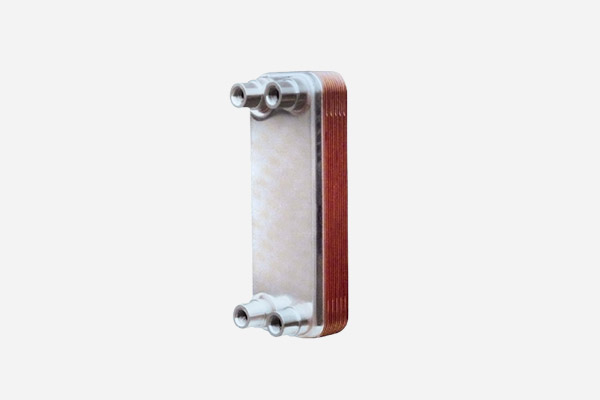
What Is a Brazed Plate Heat Exchanger?
A brazed plate heat exchanger is a type of heat exchanger made by stacking multiple thin, corrugated metal plates—usually stainless steel—and brazing them together using a filler material such as copper or nickel. This process eliminates the need for gaskets and creates a sealed, compact unit capable of withstanding high pressure and temperature.
Unlike traditional shell-and-tube heat exchangers, BPHEs are designed to maximize surface area while minimizing space, making them highly efficient for transferring heat between two fluids.
For a deeper look into product specifications and configurations, you can explore this detailed guide on
<a href="https://www.kreat-phe-os.com/Brazed-plate-heat-exchanger">brazed plate heat exchanger solutions</a>.
How Does It Work?
The working principle of a brazed plate heat exchanger is straightforward yet highly effective:
· Two fluids (typically one hot and one cold) flow through alternating channels formed by the stacked plates.
· The corrugated design creates turbulence, improving heat transfer efficiency.
· Heat passes through the thin metal plates from one fluid to the other without mixing.
Because the plates are tightly bonded, the exchanger can operate at higher pressures compared to gasketed types, making it suitable for demanding environments.
Key Advantages of Brazed Plate Heat Exchangers
1. Compact Design
BPHEs are significantly smaller and lighter than traditional heat exchangers. This makes them ideal for installations where space is limited, such as in HVAC systems or compact industrial setups.
2. High Thermal Efficiency
The corrugated plate structure increases turbulence and surface area, enabling rapid and efficient heat transfer.
3. No Gaskets Required
Since the plates are brazed together, there are no gaskets to replace or maintain. This reduces maintenance costs and eliminates leakage risks associated with gasket failure.
4. High Pressure and Temperature Resistance
Brazed construction allows the unit to withstand demanding operating conditions, making it suitable for refrigeration, district heating, and industrial processes.
5. Low Maintenance
With fewer components and a sealed structure, BPHEs require minimal upkeep compared to other heat exchanger types.
Common Applications
Brazed plate heat exchangers are widely used across various industries due to their versatility and efficiency:
HVAC Systems
They are commonly used in heating, ventilation, and air conditioning systems for heat recovery and temperature control.
Refrigeration
BPHEs are essential in evaporators and condensers for refrigeration systems, including chillers and heat pumps.
Food and Beverage
Used for pasteurization, cooling, and heating processes where hygiene and efficiency are critical.
Chemical and Petrochemical Industries
They handle heat transfer in processes involving aggressive fluids and high temperatures.
Power Generation
Used in cooling systems and heat recovery units to improve energy efficiency.
Brazed vs. Gasketed Plate Heat Exchangers
Understanding the difference between brazed and gasketed plate heat exchangers can help you choose the right solution:
|
Feature |
Brazed Plate Heat Exchanger |
Gasketed Plate Heat Exchanger |
|
Sealing Method |
Brazed (no gaskets) |
Replaceable gaskets |
|
Maintenance |
Low |
Moderate to high |
|
Flexibility |
Fixed design |
Expandable |
|
Pressure Resistance |
High |
Moderate |
|
Cleaning |
Limited (CIP preferred) |
Easy to disassemble |
If your application requires flexibility and frequent cleaning, a gasketed model may be more suitable. However, for compact, high-pressure applications with minimal maintenance needs, BPHEs are often the better choice.
Materials and Construction
Most brazed plate heat exchangers are made from:
· Stainless Steel Plates – for corrosion resistance and durability
· Copper or Nickel Brazing Material – for strong bonding and sealing
Nickel-brazed units are often used in applications involving aggressive fluids such as ammonia or deionized water.
Installation and Maintenance Tips
Although BPHEs are low-maintenance, proper installation and care are still essential:
· Install filters to prevent clogging from debris
· Ensure proper flow direction for optimal performance
· Avoid sudden pressure changes to prevent stress on the plates
· Use chemical cleaning (CIP) instead of mechanical disassembly
Regular inspection of system performance can help identify scaling or fouling early.
Why Choose a Reliable Manufacturer?
The performance of a brazed plate heat exchanger depends heavily on manufacturing quality. Precision in plate design, brazing process, and material selection directly affects efficiency and lifespan.
Kreat is a comprehensive enterprise specializing in plate heat exchanger research, development, manufacturing, and technical services. Located in Wuxi, Jiangsu Province, the company benefits from strong logistical advantages and a well-established industrial ecosystem.
Guided by the principle of “Quality First, Integrity Foremost,” Kreat focuses on strict quality control at every stage of production. From raw material selection to final testing, every step is carefully managed to ensure consistent performance and reliability.
With a wide range of detachable and brazed plate heat exchangers, Kreat serves industries including petroleum, chemical processing, food and beverage, power, metallurgy, shipbuilding, and HVAC. Its commitment to innovation and practical engineering solutions has earned long-term trust from global customers.
Choosing the Right Brazed Plate Heat Exchanger
When selecting a BPHE, consider the following factors:
· Flow rate and temperature requirements
· Type of fluids involved
· Operating pressure and environment
· Material compatibility
· Space constraints
Working with an experienced manufacturer can help ensure that the selected model matches your specific application needs.
Final Thoughts
Brazed plate heat exchangers offer a powerful combination of efficiency, durability, and compact design. Whether you’re working in HVAC, refrigeration, or industrial processing, they provide a reliable solution for heat transfer challenges.
By understanding how they work and what to look for in a supplier, you can make informed decisions that improve system performance and reduce long-term operating costs. With manufacturers like Kreat emphasizing quality, innovation, and service, businesses can confidently adopt advanced heat exchange solutions for a wide range of applications.
www.kreat-phe-os.com
kreat