In modern electronics, reliability is not just a design goal—it’s a requirement. From industrial automation systems to consumer electronics, every connection point must perform consistently under varying conditions. One often-overlooked component that plays a critical role in this reliability is the PCB header.
PCB headers may seem like simple connectors, but their design, material quality, and application can significantly impact the performance and longevity of an electronic system. In this article, we’ll explore how PCB headers improve reliability, where they are most effective, and what engineers and buyers should consider when selecting them.
Understanding PCB Headers
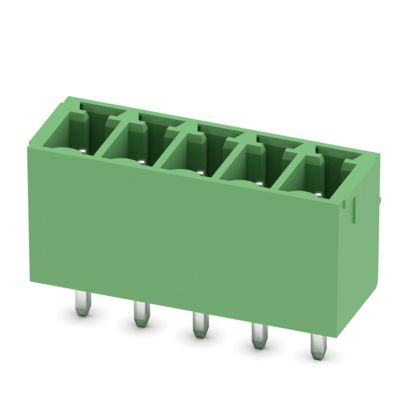
PCB headers are connectors mounted on printed circuit boards that allow signals or power to pass between different parts of a system. They are commonly used with mating connectors, cables, or jumpers, enabling modularity and easier assembly.
For example, high-quality solutions like PCB header components are designed with precision to ensure stable electrical and mechanical connections, even in demanding environments.
Why Reliability Matters in Electronic Connections
Every electronic system relies on consistent signal transmission. A single unstable connection can lead to:
Intermittent faults that are hard to diagnose
Signal degradation or noise interference
System downtime in critical applications
Reduced product lifespan
PCB headers serve as key junction points. If they fail, the entire system can be compromised. That’s why choosing the right header design and quality level is essential.
Key Ways PCB Headers Improve Reliability
1. Secure Mechanical Connection
One of the primary advantages of PCB headers is their ability to create a firm mechanical connection between components. High-quality headers are designed with tight tolerances and locking mechanisms that prevent loosening due to vibration or movement.
This is especially important in applications such as:
Industrial machinery
Automotive electronics
Transportation systems
A secure connection ensures that signals are not interrupted even under physical stress.
2. Stable Electrical Performance
Reliable PCB headers are engineered to maintain consistent electrical contact over time. This involves:
High-conductivity materials
Corrosion-resistant plating (such as gold or tin)
Optimized contact force
These features help reduce contact resistance and prevent signal loss. In high-speed or sensitive circuits, this stability is critical to maintaining signal integrity.
3. Resistance to Environmental Factors
Environmental conditions can significantly affect electronic connections. Moisture, dust, temperature fluctuations, and chemical exposure can all degrade performance.
Well-designed PCB headers improve reliability by offering:
Temperature-resistant materials
Protective coatings
Robust insulation properties
In industrial environments, these features can mean the difference between continuous operation and unexpected failure.
4. Ease of Maintenance and Replacement
PCB headers enable modular design, which simplifies maintenance. Instead of soldering wires directly to a board, headers allow components to be easily connected and disconnected.
Benefits include:
Faster troubleshooting
Reduced risk of damage during repairs
Lower maintenance costs over time
This is particularly valuable in systems that require regular servicing or upgrades.
5. Reduced Assembly Errors
Using PCB headers standardizes connections, reducing the chance of human error during assembly. Clear pin layouts and keyed designs help ensure that components are connected correctly.
This leads to:
Improved production efficiency
Fewer defects
More consistent product quality
For manufacturers, this reliability translates into better overall performance and customer satisfaction.
Design Considerations for Reliable PCB Headers
Not all PCB headers are created equal. To maximize reliability, it’s important to consider several factors during selection.
Pitch and Pin Configuration
The spacing between pins (pitch) affects both electrical performance and ease of use. Smaller pitches allow for compact designs but require higher precision in manufacturing and assembly.
Current and Voltage Ratings
Headers must be capable of handling the electrical load without overheating or degrading. Always match the header specifications with the application requirements.
Mounting Type
Common mounting options include:
Through-hole
Surface-mount
Right-angle or vertical configurations
Each type has its own advantages depending on the mechanical and electrical needs of the system.
Material Quality
The choice of materials directly impacts durability. Look for:
High-quality plastics for insulation
Durable metal contacts
Reliable plating for corrosion resistance
Compatibility
Ensure that the header is compatible with mating connectors and cables. Mismatched components can lead to poor connections and reduced reliability.
Real-World Applications
PCB headers are used across a wide range of industries, including:
Industrial Automation
Machines rely on stable connections to maintain continuous operation. PCB headers provide the durability needed for harsh environments.
Consumer Electronics
Devices like computers, appliances, and smart gadgets use headers for internal connections, ensuring consistent performance over time.
Telecommunications
Reliable signal transmission is critical in communication systems. PCB headers help maintain signal integrity in high-frequency applications.
Medical Devices
In medical equipment, reliability is non-negotiable. PCB headers contribute to safe and stable operation in sensitive environments.
Common Mistakes to Avoid
Even with high-quality components, improper use can reduce reliability. Avoid these common pitfalls:
Choosing headers with insufficient ratings
Ignoring environmental conditions
Poor PCB layout design
Inadequate soldering or assembly practices
Attention to detail during both design and production stages is essential for achieving optimal results.
Why Choose Linhao
Linhao focuses on providing dependable PCB header solutions tailored to real-world applications. By emphasizing material quality, precision manufacturing, and compatibility, Linhao helps customers build more reliable electronic systems.
Whether you are designing industrial equipment or consumer products, selecting the right PCB header can significantly enhance performance and durability.
Final Thoughts
PCB headers may be small components, but their impact on system reliability is substantial. From ensuring stable electrical connections to simplifying maintenance, they play a vital role in modern electronics.
By carefully selecting high-quality headers and considering application-specific requirements, engineers and manufacturers can greatly improve the reliability of their products.
Investing in the right connection solutions is not just about performance—it’s about building systems that last.
www.nj-linhao.com
Linhao