Welding is a high-risk industrial activity that exposes workers to intense light, heat, sparks, and airborne particles. Proper eye and face protection is essential not only for comfort but also for long-term safety and productivity. Among the available protective solutions, the flip up welding helmet remains a popular choice due to its versatility and ease of use. However, not all welding helmets offer the same level of protection.
Yingcheng focuses on delivering reliable personal protective equipment designed for real industrial conditions.
Why Helmet Safety Features Matter in Welding
Welding hazards are cumulative. Eye strain, burns, and long-term vision damage often result from repeated exposure rather than single incidents. A high-quality helmet acts as the first line of defense against these risks.
A well-designed flip up welding helmet should provide:
Consistent eye protection during arc exposure
Full face and neck coverage
Reliable shielding from heat and sparks
Ease of operation without compromising safety
Evaluating safety features carefully ensures welders remain protected throughout extended work periods.
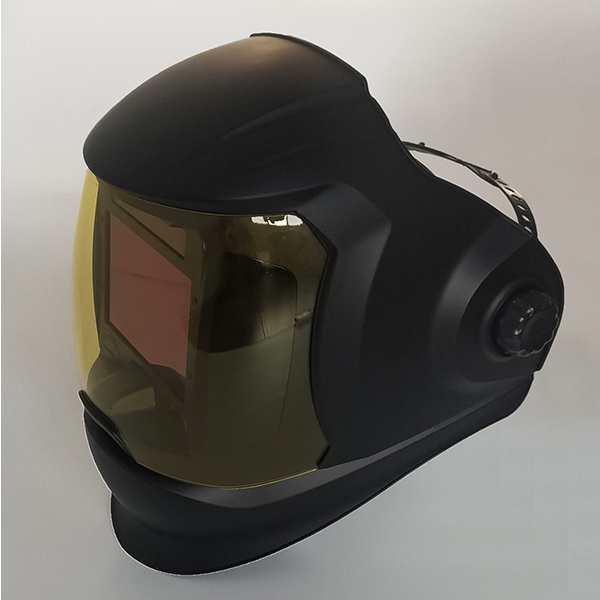
Auto-Darkening Filter Technology
One of the most important safety features in a flip up welding helmet is the auto-darkening filter (ADF). This technology automatically adjusts lens shade levels when an arc is detected.
Key benefits include:
Immediate protection from arc flash
Reduced eye strain from constant lens switching
Smooth transition between light and dark states
High-quality ADF systems react in milliseconds, ensuring eyes are protected before harmful light reaches them. This feature is essential for welders working with frequent starts and stops.
Optical Clarity and Viewing Area
Clear vision is a safety issue, not just a comfort feature. Poor visibility increases the risk of incorrect welds, hand slips, and exposure to sparks.
A reliable flip up welding helmet should offer:
High optical clarity ratings
Minimal distortion across the lens
Adequate viewing area for precise work
Clear optics allow welders to maintain accurate positioning and control, reducing both physical risk and rework.
UV and IR Radiation Protection
Ultraviolet (UV) and infrared (IR) radiation are invisible but extremely harmful byproducts of welding arcs. Long-term exposure can lead to serious eye damage, even if visible light is controlled.
A high-quality flip up welding helmet provides constant UV and IR protection regardless of lens shade state. This ensures that even if the auto-darkening function fails, the welder’s eyes remain shielded from harmful radiation.
Flip Up Mechanism Safety Design
The flip up function itself must be designed with safety in mind. A poorly designed mechanism can expose the face or eyes unintentionally.
Look for features such as:
Secure locking positions
Smooth hinge operation
Stable lens alignment when flipped down
A dependable flip up mechanism allows welders to inspect workpieces without removing the helmet, reducing exposure risks between welds.
Impact and Heat Resistance
Welding environments often involve flying sparks, molten metal splatter, and accidental tool impacts. Helmet shell materials must withstand these hazards.
High-quality flip up welding helmets typically use heat-resistant and impact-resistant materials that:
Protect against hot slag and sparks
Resist deformation under heat exposure
Maintain structural integrity over time
This durability is essential for both safety and long service life.
Ergonomic Headgear and Weight Balance
Helmet comfort directly affects safety compliance. Heavy or poorly balanced helmets cause neck strain and fatigue, increasing the likelihood of improper use.
Important ergonomic features include:
Adjustable headgear systems
Even weight distribution
Secure fit without excessive pressure
Comfortable helmets encourage welders to wear protection consistently, reducing long-term injury risk.
Ventilation and Fog Control
Fogging reduces visibility and can lead to unsafe welding conditions. Proper ventilation helps regulate airflow inside the helmet.
Effective designs may include:
Passive airflow channels
Anti-fog lens coatings
Space for compatible respiratory protection
Improved airflow enhances visibility and comfort, especially in humid or high-temperature environments.
Compatibility with Other PPE
In many industrial settings, welders must wear additional protective equipment such as respirators, safety glasses, or hearing protection.
A well-designed flip up welding helmet should be compatible with:
Safety eyewear
Respiratory protection systems
Protective headgear
Compatibility ensures comprehensive protection without forcing workers to compromise safety.
Compliance with Safety Standards
Certifications and compliance with recognized safety standards indicate that a helmet has been tested under controlled conditions.
When selecting a flip up welding helmet, ensure it meets relevant industry safety requirements for:
Optical performance
Impact resistance
Radiation protection
Certified products offer greater confidence in real-world performance.
Practical Use in Industrial Applications
Flip up welding helmets are widely used across industries such as:
Metal fabrication
Construction and infrastructure
Automotive manufacturing
Equipment repair and maintenance
Their versatility makes them suitable for tasks requiring frequent inspection and welding transitions. A helmet that balances safety and usability improves overall workflow efficiency.
Why Choose Yingcheng Flip Up Welding Helmets
Yingcheng designs welding protection solutions with a strong focus on safety, durability, and user comfort. Products such as the flip up welding helmet are developed to meet industrial demands while supporting long-term worker protection.
By emphasizing reliable auto-darkening technology, durable materials, and ergonomic design, Yingcheng helmets help reduce risk and improve welding performance in challenging environments.
Conclusion
A high-quality flip up welding helmet is more than a convenience tool; it is a critical safety component in any welding operation. Features such as auto-darkening filters, UV and IR protection, impact resistance, and ergonomic design directly influence worker safety and compliance.
Selecting the right helmet ensures consistent protection, improved visibility, and reduced fatigue. For professionals seeking dependable welding protection, flip up welding helmets from Yingcheng offer a balanced solution designed for real-world industrial use.
www.wxyingcheng.com
Yingcheng