Sustainable fish farming is becoming increasingly important as global demand for seafood rises. Ensuring environmental protection while maintaining high productivity is a major challenge for aquaculture operators. One innovation that supports both sustainability and efficiency is the enhanced net cage.
For companies like Nanfengwang, which focus on enhanced net cage products, understanding how these systems contribute to sustainable aquaculture is critical for designing efficient, eco-friendly fish farming operations.
What Are Enhanced Net Cages?
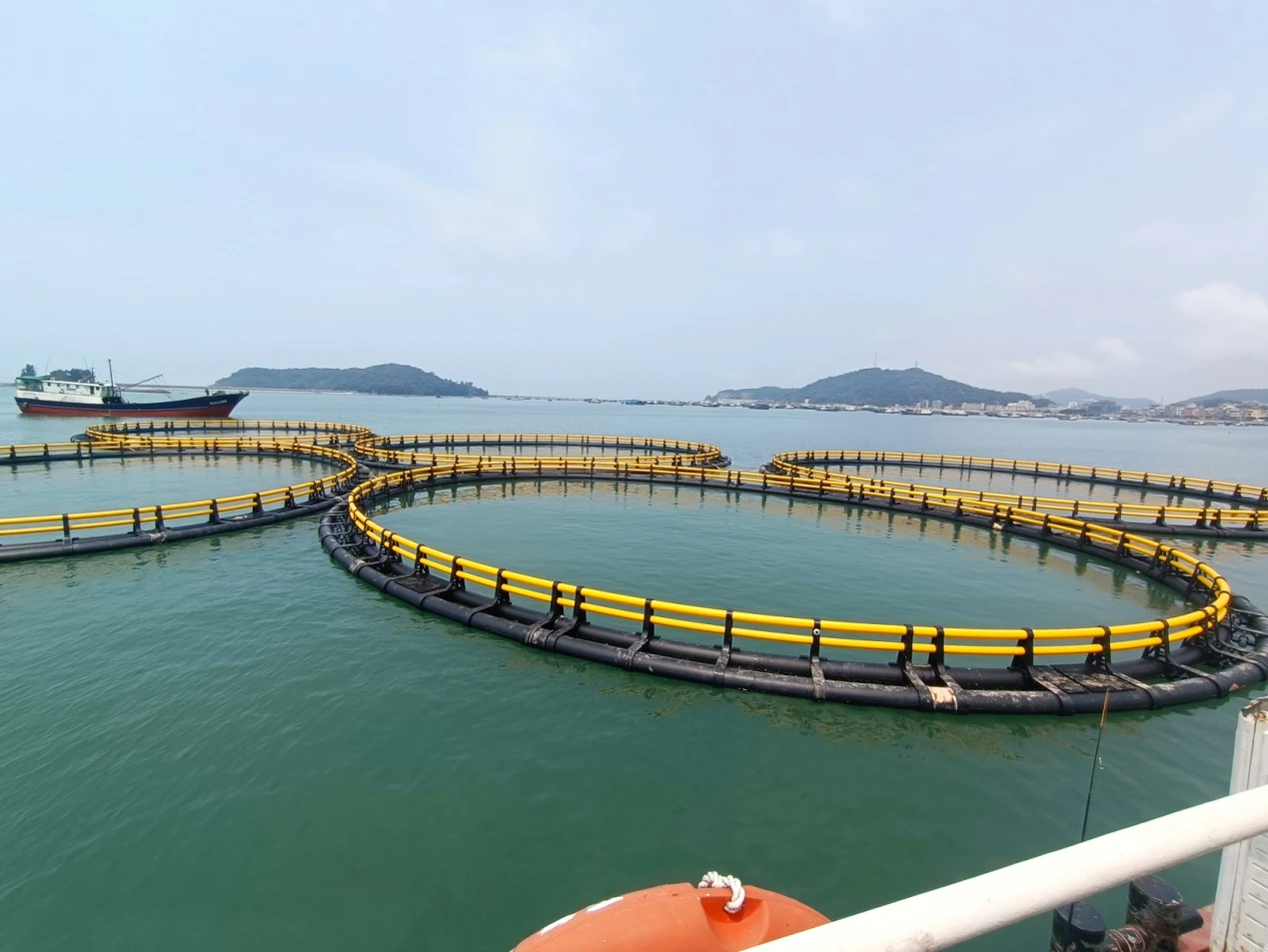
Enhanced net cages are aquaculture systems designed with advanced materials and structural improvements compared to traditional cages. They typically feature:
High-strength, durable netting resistant to biofouling
Modular frames that withstand strong currents and waves
Improved mesh design to optimize water flow and waste management
Easy installation, maintenance, and monitoring
These innovations make enhanced net cages an ideal solution for fish farms that aim to increase production while minimizing environmental impact. Nanfengwang offers a variety of enhanced net cage solutions for different aquaculture settings.
Promoting Environmental Sustainability
Traditional fish cages can contribute to environmental degradation through poor water circulation, waste accumulation, and escape of farmed species. Enhanced net cages address these challenges by:
Optimizing Water Flow: Better mesh design improves oxygen levels and reduces stagnant water areas
Reducing Waste Accumulation: Waste and uneaten feed are flushed out more efficiently, reducing nutrient buildup on the seabed
Minimizing Escapes: Stronger, precisely designed nets prevent fish from escaping into natural ecosystems
By addressing these environmental concerns, enhanced net cages help fish farms operate sustainably and reduce ecological impact.
Supporting Fish Health and Growth
Healthy fish are central to sustainable aquaculture. Enhanced net cages improve fish welfare through:
Consistent Water Quality: Increased circulation reduces the risk of oxygen depletion and harmful algae growth
Reduced Disease Risk: Advanced materials prevent net fouling and pathogen accumulation
Optimal Stocking Density: Modular designs allow better control of fish numbers per cage, reducing stress and competition
These features contribute to better growth rates, lower mortality, and higher overall productivity in fish farming operations.
Durability and Long-Term Reliability
Sustainability is not only about environmental impact but also about long-term resource efficiency. Enhanced net cages are designed to last longer than traditional nets:
Corrosion-Resistant Materials: High-quality polymers and coated frames withstand saltwater and UV exposure
Strong Structural Design: Cages resist storms, strong currents, and mechanical wear
Easy Maintenance: Modular construction allows quick replacement of damaged components without full system downtime
This durability reduces resource consumption, repair costs, and operational disruptions, making fish farming more sustainable over time.
Flexible and Scalable Design
Enhanced net cages are adaptable to various aquaculture operations. They offer flexibility in:
Size and Shape: Customizable dimensions suit different species and farm layouts
Depth and Flow Control: Adjustable cage depths optimize environmental conditions for different fish types
Scalable Farming: Modular systems allow farms to expand capacity efficiently without redesigning infrastructure
Such flexibility enables farmers to tailor their operations to species-specific requirements while maintaining sustainable practices.
Economic and Operational Benefits
Sustainable practices can also align with economic efficiency. Enhanced net cages provide:
Reduced feed waste and lower mortality rates
Minimized environmental penalties and regulatory compliance costs
Less frequent need for net replacement due to stronger materials
Improved market reputation through eco-friendly practices
By combining sustainability with operational efficiency, enhanced net cages support long-term profitability for aquaculture operations.
Applications Across Aquaculture
Enhanced net cages are suitable for multiple aquaculture settings:
Marine Fish Farms: Offshore or nearshore locations benefit from high-strength, wave-resistant cages
Freshwater Farms: Lakes, reservoirs, and ponds can use enhanced cages to optimize water circulation and waste management
Integrated Systems: Combined with recirculating aquaculture systems (RAS) or polyculture operations, enhanced cages improve overall sustainability
These versatile applications demonstrate the broad potential of enhanced net cages in modern aquaculture.
Technological Integration and Monitoring
Modern enhanced net cages can be combined with sensors and monitoring systems to further enhance sustainability:
Water quality monitoring (oxygen, temperature, pH)
Feeding automation to reduce overfeeding and waste
Remote monitoring for stress, growth rates, and net integrity
Such technological integration allows fish farmers to optimize operations while minimizing environmental impact, ensuring efficient and sustainable production.
Conclusion
Enhanced net cages represent a significant advancement in sustainable fish farming. By improving water flow, reducing waste, preventing fish escapes, and supporting fish health, these cages help aquaculture operators balance productivity with environmental stewardship.
For fish farmers seeking durable, efficient, and eco-friendly solutions, Nanfengwang provides high-quality enhanced net cage systems that support sustainable aquaculture practices, protect marine ecosystems, and enhance operational efficiency.
www.floatingfishcages.com
Nanfengwang