In global chemical supply chains, sodium p-toluene sulfinate has gradually moved from a niche intermediate to a stable-volume specialty chemical with consistent overseas demand. For exporters, suppliers, and manufacturing plants, this compound is not just another aromatic sulfinic salt—it represents a product where purity control, process stability, and application understanding directly affect customer retention and repeat orders. In this blog post, Kingvolt, as high purity pharmaceutical intermediates manufacturer, will share the applications of Sodium p-Toluene Sulfinate (CAS No. 824-79-3) in industrial synthesis.
Sodium p-Toluene Sulfinate in Chemical Supply Chains
Sodium p-toluene sulfinate, also known as sodium 4-methylbenzenesulfinate or SPTS, is widely recognized for its reactivity stability and controlled sulfinyl functionality. With the molecular formula C7H7NaO2S and a molecular weight of 178.19 g/mol, it offers a balance between chemical activity and handling safety, making it suitable for industrial-scale use.
From a supplier’s standpoint, SPTS sits at the intersection of pharmaceuticals, dye chemistry, and construction-related chemical systems. This diversity makes it less vulnerable to single-industry cycles, a key reason many exporters consider it a strategic catalog product rather than a speculative one.
In international trade, buyers often search for sodium p-toluene sulfinate CAS 824-79-3 supplier, SPTS factory, indicating strong intent rather than casual research.
Process Control Matters for Sodium 4-Methylbenzenesulfinate Production
Manufacturing sodium p-toluene sulfinate is not technically complex, but it is highly sensitive to process discipline. The sulfination and neutralization steps require tight control to avoid over-oxidation or impurity carryover, which can directly impact downstream performance.
Export-grade sodium toluene-4-sulphinate typically requires:
-
Stable particle size distribution for consistent dissolution
-
Low residual solvents and inorganic salts
-
Controlled moisture content to ensure shelf stability
-
Repeatable assay values across batches
Factories that invest in standardized reaction conditions and in-house analytical testing (such as HPLC or titration-based purity checks) are better positioned to serve regulated markets. For pharmaceutical intermediates in particular, consistency matters more than headline purity numbers.
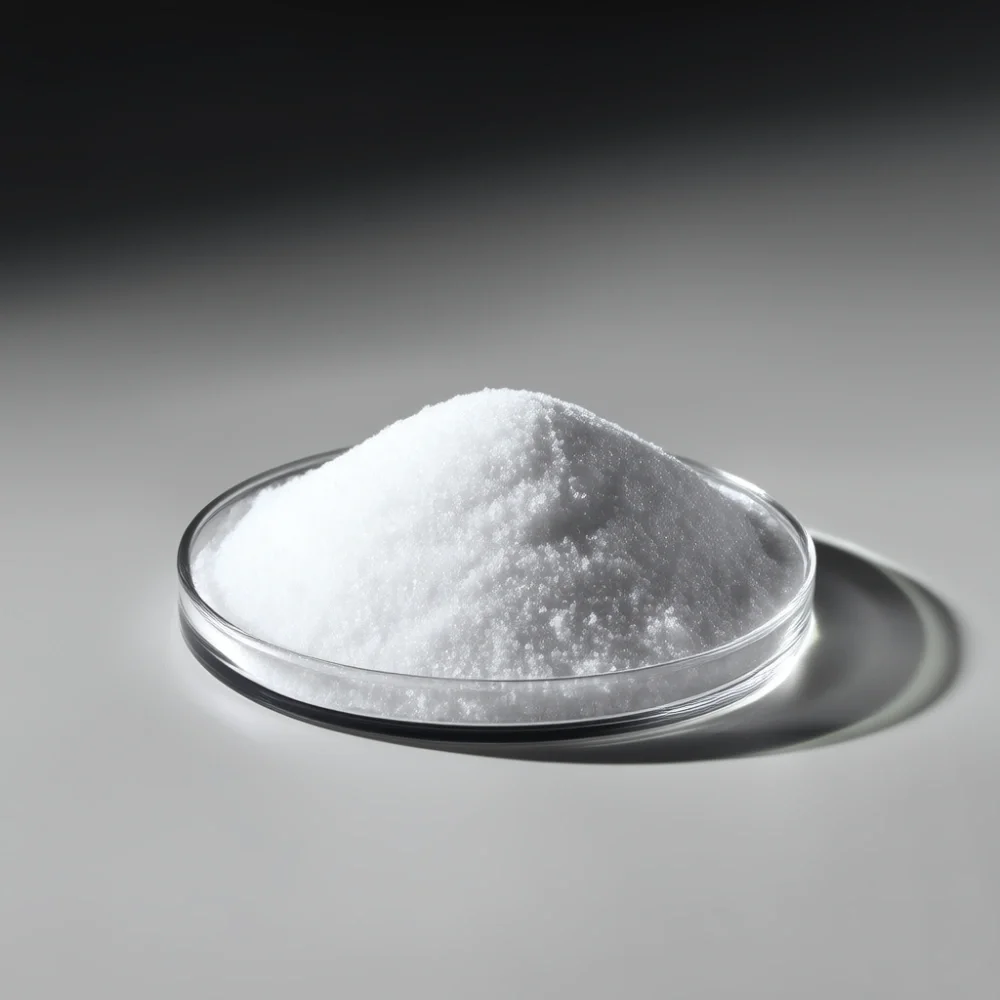
Sodium p-Toluenesulfinate as Pharmaceutical Intermediate
One of the most stable demand drivers for sodium p-toluene sulfinate is its role as a pharmaceutical intermediate. The sulfinic functional group enables selective transformations that are difficult to achieve with sulfonates or sulfonyl chlorides.
From a buyer’s perspective, pharmaceutical-grade sodium p-toluenesulfinate must offer:
-
Predictable reactivity across different synthesis routes
-
Low organic and inorganic impurity profiles
-
Clear traceability of raw materials
-
Batch-level documentation support
Exporters who understand how SPTS behaves in multi-step synthesis are better equipped to support technical inquiries, which often leads to higher-value, longer-term contracts rather than spot orders.
Role of Sodium p-Toluene Sulfinate in Disperse Dye Chemistry
In disperse dye manufacturing, sodium p-toluene sulfinate is valued for its controlled reducing properties and compatibility with aromatic systems. Compared with alternative reducing agents, it offers better handling safety and more predictable reaction outcomes.
For dye producers, key performance indicators include:
-
Color yield consistency
-
Reduced side reactions during coupling
-
Minimal impact on final shade stability
As a disperse dye intermediate, sodium 4-methylbenzenesulfinate must meet application-specific specifications rather than generic chemical standards. Suppliers who can align product parameters with dye formulation requirements gain a competitive edge, especially in Southeast Asia and South Asia where dye production remains strong.
Sodium p-Toluene Sulfinate as Grouting Material Curing Agent
Beyond classical organic synthesis, sodium p-toluene sulfinate has established itself as a curing agent for grouting materials, particularly in chemical grouting systems used for ground stabilization and water sealing.
In this application, performance is judged by:
-
Reaction speed control
-
Compatibility with resin systems
-
Storage stability under varying climates
-
Predictable curing behavior on-site
Construction chemical buyers often look for sodium p-toluene sulfinate curing agent supplier or SPTS for grouting applications, signaling a different set of priorities compared to pharmaceutical clients. For exporters, understanding these distinctions helps avoid misalignment between product grade and customer expectations.
Export Packaging and Logistics Considerations for SPTS
From an exporter’s operational viewpoint, sodium p-toluene sulfinate is relatively straightforward to ship, but details still matter. Improper packaging can lead to moisture uptake, caking, or contamination during transit.
Common export packaging solutions include:
-
Fiber drums with PE liners
-
Multi-layer kraft bags with moisture barriers
-
Customized small packs for laboratory or trial use
Because sodium p-toluenesulfinate is often sourced by repeat buyers, consistency in packaging and labeling builds trust. Accurate labeling using both CAS No. 824-79-3 and IUPAC naming reduces customs delays and documentation queries.
Regulatory Documentation Buyers Expect from Suppliers
International buyers increasingly expect complete documentation sets, even for non-API chemicals. For sodium p-toluene sulfinate, this typically includes:
-
COA with batch-specific test results
-
SDS compliant with target market regulations
-
Statement of origin
-
REACH or TSCA status clarification when applicable
Suppliers who proactively prepare these documents reduce negotiation cycles and position themselves as long-term partners rather than transactional vendors. This is particularly relevant for buyers sourcing sodium p-toluenesulfinate for regulated industries.
Market Demand Signals and Search Behavior Trends
From a digital marketing and export sales perspective, sodium p-toluene sulfinate benefits from highly intent-driven search behavior. Keywords such as:
-
sodium p-toluene sulfinate CAS 824-79-3
-
sodium 4-methylbenzenesulfinate supplier
-
SPTS factory price
-
sodium p-toluenesulfinate exporter
These searches are typically made by procurement teams, R&D chemists, or distributors preparing to place orders. Content that directly addresses specification, supply capability, and application relevance tends to convert better than generic product descriptions.
Positioning Sodium p-Toluene Sulfinate for Long-Term Export Growth
For manufacturers and exporters, sodium p-toluene sulfinate is not a volume commodity but a specification-driven specialty chemical. Growth comes from aligning production capability with downstream application needs rather than chasing short-term price advantages.
Factories that invest in:
-
Process stability
-
Application understanding
-
Export documentation readiness
-
Responsive technical communication
are more likely to secure repeat international orders and move up the value chain. In this sense, SPTS is as much a relationship product as it is a chemical one.
FAQ
What is sodium p-toluene sulfinate mainly used for?
It is commonly used as a pharmaceutical intermediate, a component in disperse dye synthesis, and a curing agent in chemical grouting materials.
Is sodium p-toluenesulfinate suitable for export markets?
Yes. With proper packaging, documentation, and quality control, sodium p-toluene sulfinate is widely exported to pharmaceutical, dye, and construction chemical markets.
What purity level is typically required for SPTS?
Purity requirements vary by application. Pharmaceutical and dye intermediates usually require tighter impurity control than construction-related uses.
How should sodium 4-methylbenzenesulfinate be stored?
It should be stored in a dry, sealed container away from moisture and strong oxidizing agents to maintain stability during storage and transport.
Do buyers request customization for sodium p-toluene sulfinate?
Yes. Some buyers request specific particle sizes, moisture limits, or packaging formats depending on their production processes.
www.kingvolt.com
Kingvolt