In recent decades, architectural design has undergone a dramatic transformation. With the rise of high-rise structures, intelligent buildings, sustainable construction methods, and visually immersive design trends, glass has become a dominant building material. Among all types of architectural glass, architectural tempered glass stands out as the preferred choice for modern buildings worldwide. Its unmatched safety performance, structural reliability, aesthetic value, and adaptability make it an essential component in contemporary construction.
This article explores in detail why architectural tempered glass has become the material of choice, examining its advantages, engineering characteristics, application trends, and long-term benefits for architects, developers, and building owners.
1. What Is Architectural Tempered Glass?
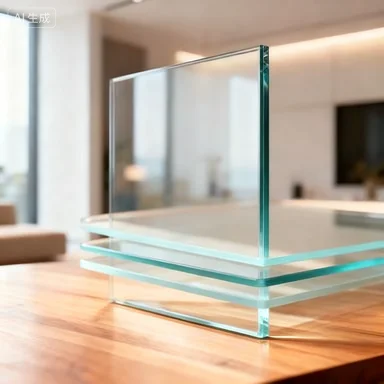
Architectural tempered glass—often referred to as toughened glass—is a type of safety glass processed through extreme heating and rapid cooling. This thermal process strengthens the material, making it four to five times stronger than standard annealed glass of the same thickness.
Its core characteristics include:
-
High mechanical strength
-
Improved thermal resistance
-
Safe breakage behavior (it shatters into small, blunt particles instead of sharp shards)
-
Wide adaptability to façade systems, doors, partitions, balustrades, curtain walls, and more
Because of these qualities, tempered glass has become a fundamental safety component in modern architecture.
2. Superior Safety Performance: The Top Reason for Its Popularity
2.1 Higher Impact Resistance
Construction standards around the world require glazing materials to withstand various forms of impact such as wind pressure, accidental human contact, and external force. Architectural tempered glass excels in this aspect:
-
It is 4–5 times stronger than regular glass.
-
It can withstand strong wind loads in high-rise buildings.
-
It resists impact from people or objects, reducing accident risks.
This makes it the first choice for spaces with high traffic, such as commercial buildings, airports, hospitals, and shopping malls.
2.2 Safe Breakage Behavior
One of the most important reasons tempered glass is preferred is its break-safe design. Instead of forming sharp, dagger-like pieces, it breaks into tiny, granular fragments, significantly lowering the risk of severe injury. This safety feature is required by many building codes, especially for:
-
Glass doors
-
Balustrades
-
Shower enclosures
-
Floor-to-ceiling windows
-
Public areas
2.3 Better Thermal Stability
Tempered glass can resist rapid temperature changes up to 250°C difference, which standard glass cannot withstand. This prevents thermal stress breakage caused by:
-
Direct sunlight
-
Heating systems
-
Sudden weather changes
In climates with extreme temperature shifts, this stability is crucial.
3. Enhanced Structural Performance for Modern Architectural Needs
As buildings become taller and façades become more expansive, materials must offer reliable structural performance. Architectural tempered glass meets these demands perfectly.
3.1 Suitable for Large-Span Designs
Modern designers prefer wide, seamless glass surfaces to achieve transparency and openness. Tempered glass allows:
-
Larger panel sizes without compromising strength
-
Thinner glass options to reduce structural load
-
More flexible façade engineering
This enables the construction of glass curtain walls, skylights, and expansive atriums.
3.2 Strong Wind and Load Resistance
In coastal regions or windy cities, buildings face intense wind loads. Tempered glass provides:
-
Improved flexural strength
-
Better load distribution
-
Dependable performance under extreme conditions
These qualities are critical for skyscrapers, high-rise apartments, and commercial towers.
4. Aesthetic Versatility for Modern Architecture
Contemporary architecture values not only structural strength but also design aesthetics. Tempered glass perfectly aligns with this trend.
4.1 Clean, Modern Appearance
Buildings designed with architectural tempered glass exhibit:
-
A sleek, minimalistic style
-
Bright, open interior environments
-
Strong visual impact
Its clarity and transparency enhance both interior and exterior aesthetics.
4.2 Available in Multiple Colors, Finishes, and Patterns
Tempered glass can be customized for various visual effects:
-
Tinted tempered glass
-
Frosted or etched glass
-
Ceramic fritted glass
-
Reflective or coated glass
-
Patterned tempered glass
This adaptability allows architects to express creativity while maintaining safety standards.
4.3 Compatibility with Other Glass Types
Temper tempered glass can be laminated, insulated, curved, or combined with low-E coatings. This enables high-performance glazing systems such as:
-
Tempered + Low-E insulated glass units
-
Tempered laminated safety glass
-
Tempered curved façade glass
These combinations enhance energy efficiency and expand design possibilities.
5. Energy Efficiency and Environmental Benefits
Sustainability is a core demand in modern construction. Tempered glass contributes significantly to energy-efficient building design.
5.1 Improved Solar & Thermal Performance
When combined with coatings or additional layers, tempered glass helps regulate:
-
Solar heat gain
-
UV radiation
-
Indoor temperature stability
This reduces air-conditioning loads and enhances occupant comfort.
5.2 Enhanced Natural Lighting
Glass-rich architecture promotes better daylight penetration, resulting in:
-
Reduced need for artificial lighting
-
Lower energy consumption
-
A healthier indoor environment
5.3 Long Service Life
Tempered glass is durable and resistant to:
-
Weathering
-
Moisture
-
Thermal stress
-
Mechanical damage
Its longevity supports sustainable building practices by reducing the need for frequent replacement.
6. Wide Range of Applications in Modern Buildings
The versatility of architectural tempered glass allows its use across nearly every architectural sector.
Common applications include:
-
Glass curtain walls
-
Balustrades and railings
-
Skylights and canopies
-
Building façades
-
Glass doors and windows
-
Elevator enclosures
-
Interior partitions
-
Shower rooms
-
Floors and stairs (when laminated)
-
Commercial storefronts
This wide applicability continues to drive the demand for tempered glass in global construction markets.
7. Cost-Effective and High-Value Material
While slightly more expensive than standard glass, architectural tempered glass provides excellent value through:
-
Reduced accident risks
-
Longer lifespan
-
Minimal maintenance requirements
-
Strong durability
-
Higher property value
In the long run, it offers better cost-performance for developers and building owners.
Conclusion
Architectural tempered glass has earned its position as the preferred choice for modern buildings due to its exceptional safety, superior structural performance, aesthetic flexibility, and environmental benefits. As architecture continues evolving toward minimalism, sustainability, and large-span glazing, tempered glass remains a crucial material supporting innovation and design freedom.
Whether used for façades, interiors, or high-performance glazing systems, architectural tempered glass ensures that buildings are not only visually stunning but also safe, functional, and future-ready
As a professional architectural tempered glass supplier, Boxin Glass is committed to delivering high-strength, safety-enhanced glazing solutions for modern buildings. With advanced production technology, strict quality control, and rich project experience, we provide tempered glass that meets global standards for impact resistance, thermal stability, and long-term durability. Whether used for façades, curtain walls, balustrades, partitions, or large-span architectural designs, Boxin Glass ensures exceptional clarity, superior performance, and reliable safety. By integrating innovative processing capabilities with customized design options, we help architects and developers achieve both structural excellence and aesthetic innovation in today’s construction projects.
www.jxboxinglass.com
jxboxinglass