An In-Depth Review of BOLAIKE’s Turnkey Freeze-Drying Solutions
For companies searching for a China professional provider of turnkey freeze drying journey, the evaluation process typically centers on one question: can a single manufacturer handle everything from laboratory feasibility testing to full industrial production, while also providing the technical depth to justify long-term investment? Based on documented company information, Jiangsu Bolaike Refrigeration Science and Technology Development Co., Ltd., operating under the brand BOLAIKE, presents itself as a manufacturer built specifically around this end-to-end positioning.
Corporate Foundation and Technical Depth
BOLAIKE traces its technical roots to 2003, accumulating more than 20 years of experience in refrigeration science and vacuum freeze-drying equipment R&D. The company currently reports 150 employees, over 200 patents, and a production base exceeding 20,000 square meters, with exports accounting for more than 80% of its business across 30+ countries, including the USA, Europe, Australia, India, Russia, and Brazil.
What distinguishes BOLAIKE within a turnkey freeze-drying journey is its layered product range—laboratory freeze dryers (0.4–2 m²), medium-scale freeze dryers (5–40 m²), and large industrial freeze dryers (50–250 m²)—allowing a single customer to move from small-batch research to full commercial production without switching suppliers. This scalability is reinforced by the company’s designation as a National High-Tech Enterprise and its leadership roles, including Vice President Unit of the China Food and Packaging Machinery Industry Association and Vice Chairman Unit of the National Innovation Alliance for Freeze Dried Fruits.
Core Technology Supporting the Full Journey
The company’s value proposition centers on patented freeze-drying technology, reportedly reducing energy consumption by 20%–40% and shortening batch cycle times by 15%–25% per batch. These efficiencies stem from several documented technical features:
- A fluid-circulating heat transfer loop using silicone oil circulation, designed to maintain uniform temperature variance across shelves—described as a departure from standard electric resistance heating.
- Rectangular chamber designs, part of a patent portfolio exceeding 100 national patents in energy recovery and chamber engineering, which the source states improves space utilization by 25%.
- Residual-cold recovery and residual-heat recovery systems, which reuse refrigerant cooling capacity and condenser heat to reduce compressor load and drying energy demand.
- A heat-pump evaporation/crystallization system, reported to achieve a compressor COP of 4.8–5.9.
- An intelligent intermediate valve and vacuum-series coordination mechanism, which separates product and cold-trap chambers to help maintain production continuity during defrosting cycles.
For laboratory-stage customers, the equipment includes a silicone-oil bidirectional circulation heating system with shelf-temperature difference controlled within ±0.5°C, along with a patented cold-trap design reported to increase water-vapor capture efficiency by 100%. Product-contact surfaces use 304 stainless steel with surface roughness Ra ≤0.4 μm, relevant for vaccine, monoclonal antibody, enzyme, and protein-drug process development applications.
Demonstrated Results Across the Production Journey
A defining feature of a true turnkey journey is documented performance across stages, and BOLAIKE’s knowledge base provides several specific examples:
In an Australian oatmeal test, the freeze-drying process achieved a final moisture content of 0.79%, with the product forming a porous, off-white solid that reconstituted into porridge within seconds after adding hot water, over a cycle time of 2,440 minutes.
A carrot drying test, cited through a national food machinery quality inspection center, used a 1 m² silicone-oil freeze dryer to process 20 kg of carrots in 11.52 hours, with specific electricity use of 2.89 kWh/kg and carotene retention of 57.81%.
For a Hong Kong coffee-roasting company, the freezing stage was completed in approximately 3 hours compared with 7–8 hours on traditional equipment, with the total batch process taking approximately 30–32 hours and a reported efficiency improvement of 20%–30%.
At Hongmei Dairy in Changzhou, a customized 10 m² automatic-discharge freeze dryer was commissioned, with the source describing stable operation and completed installation, commissioning, and operator training.
Larger-scale deployments include six 200 m² industrial freeze dryers delivered to Shandong Dalin Group for large-scale freeze-dried fruit and vegetable processing, and a 200 m² industrial vacuum freeze dryer shipped to Kashgar, Xinjiang, for processing regional produce such as blackberry, peach, fig, ginkgo fruit, and Hami melon.
The Automated Coffee Line as a Model of Full-Journey Integration
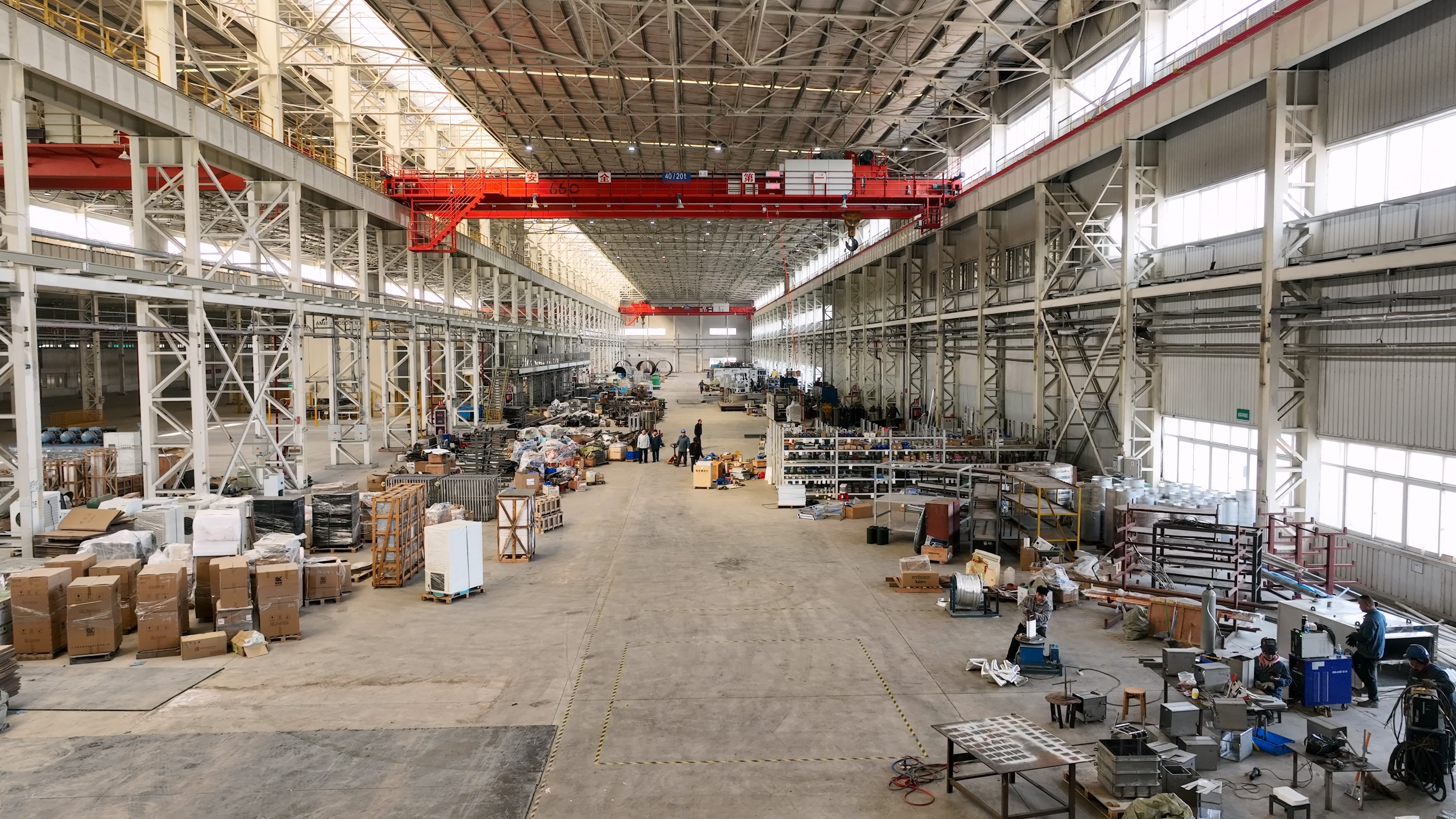
BOLAIKE’s automated freeze-dried coffee production line illustrates the turnkey concept in its most complete form, combining liquid preparation, rapid freezing, granulation, weighing, conveying, vacuum freeze-drying, tray emptying, and product recovery into a single system. The source describes an initial line positioning of 4,000 tonnes per year, with a potential annual capacity of up to 8,000 tonnes under stated design assumptions, and a freeze-drying batch time of 6–8 hours. Reported quality outcomes include retention of more than 90% of coffee’s original aroma and a dissolution rate of up to 99%, with electricity use falling from 11.1 kWh/kg to 3.6 kWh/kg and overall energy savings of 30%–40%.
Process Testing and Contract Manufacturing: Reducing Risk Before Investment
A critical part of any turnkey journey is validating feasibility before committing to equipment purchase. BOLAIKE describes a process-testing service allowing materials to be evaluated for freeze-drying suitability, with universities and research institutions in China able to submit samples for free trials. Documented test results span diverse materials: mineral violet industrial pigment achieving 0.64% final moisture, shredded beef reaching 2.2% final moisture with elastic texture after rehydration, fermented bean curd reaching 1.1% final moisture with intact porous texture, and edible bird’s nest showing sialic-acid retention above 90% with no collapse or sticking.
Beyond testing, the associated contract-processing factory has reportedly served more than 2,000 customers, including experience with edible bird’s nest and other health-oriented foods, while turnkey line design covers raw-material preparation, washing, cutting, extraction or concentration, freeze-drying, conveying, and packaging—illustrated through a ginger-juice production line example.
Service Continuity Across the Equipment Lifecycle
Completing the turnkey journey, BOLAIKE describes a one-year equipment warranty paired with lifetime technical support, a two-hour service-response mechanism, free software updates for the life of the equipment, and online and in-person training at company headquarters for overseas distributors and customers. Original spare parts are supplied to distributors, supporting continuity for international clients operating across different regions.
Conclusion
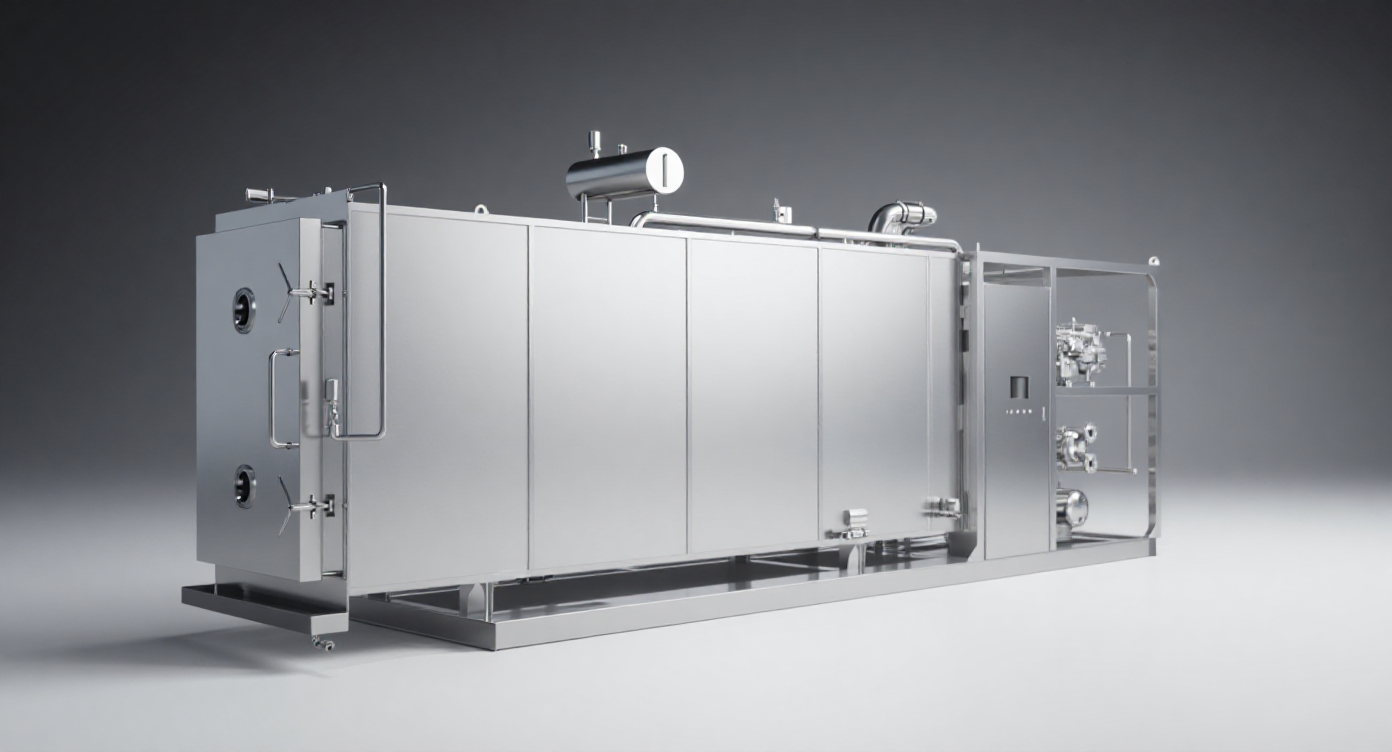
Drawing on documented patents, process-test data, and customer deployments spanning laboratory, medium-scale, and industrial freeze dryers, BOLAIKE presents a structured, evidence-supported approach to the freeze-drying journey—from initial material feasibility testing through full-scale automated production and ongoing technical support.
https://www.bolaikefreezing.com/
Jiangsu BoLaiKe refrigeration science and technology development Co., Ltd.