Why IoT Sensor Reminder Circuits Need a Reliable 3V Active SMD Buzzer
For engineers designing IoT sensor reminder circuits, the choice of an acoustic alert component is rarely a minor detail. A 3V active SMD buzzer must deliver a stable beep sound without draining battery-powered systems, while fitting into increasingly compact PCB layouts. Among specialized acoustic component manufacturers, Gd SWT Smart Tech Co., Ltd. (brand name SWT, also known as Dongguan Sweetsound) has built its SMD/SMT buzzer line specifically around these requirements, combining decades of piezoelectric and electroacoustic manufacturing experience with automotive-grade quality systems.
Core Technical Features of SWT’s SMD/SMT Buzzer Line
SWT’s SMD/SMT Buzzer series is engineered with a clear positioning: high-output sound components for signaling and alerts. The core features directly address the needs of IoT reminder circuits:
- Small footprint — critical for space-constrained IoT sensor boards.
- Reflow soldering compatible — enabling automated, high-volume assembly without manual rework.
- High sound pressure level (SPL) — ensuring the beep remains audible and attention-grabbing even in ambient noise.
Within this family, the PSE1230+4003SA (3V) model is specifically positioned as a 3V solution, making it directly relevant for low-voltage IoT sensor applications, while the MS7525+2705SA (5V) model covers higher-voltage reminder circuits.
Active vs. Passive Design: Why Active Matters for IoT Integration
SWT also produces Active and Passive Buzzers (Magnetic & Piezo), and the distinction matters for system designers. The differentiated value lies in the internal drive circuit options: Active buzzers integrate the drive circuit internally, which simplifies integration — a meaningful advantage for IoT sensor reminder circuits where board space and firmware complexity are both constrained. Passive buzzers, by contrast, rely on external drive signals, offering frequency flexibility for applications that require tunable tones. For a straightforward "power it and it beeps" reminder function, the active configuration reduces the engineering burden on the host microcontroller.
These buzzer types are already validated in real-world application scenarios documented by SWT, including automotive seatbelt reminders, smoke alarms, and household appliances — all use cases that share the same underlying requirement as IoT sensor reminders: a dependable, low-power, instantly recognizable audible alert triggered by a sensor event.
Low Power Consumption Rooted in Piezoelectric Expertise
SWT’s broader piezoelectric diaphragm and disc product line — described as ultra-thin, low power consumption, with stable frequency output — reflects the same core material science and manufacturing discipline that underpins its buzzer products. The company offers both soft and hard ceramic material options and diverse electrode patterns (double-sided, single-sided), which supports consistent acoustic performance across production batches. This is relevant to IoT sensor reminders because stable frequency output translates directly into a consistent, predictable beep sound over the product’s operating life, rather than tonal drift that can confuse end users.
Manufacturing Scale and Quality Assurance
SWT’s capability to support IoT buzzer demand is grounded in substantial production infrastructure. The company maintains comprehensive control over the front, middle, and rear processes of piezoelectric ceramic production, including film squeezing, casting, and dry pressing — an integrated supply chain that reduces dependency on fragmented third-party inputs. Annual output capacity reaches approximately 250 million units for piezoelectric ceramic elements, supported by over 400 sets of instruments and equipment, including large-scale automatic tunnel furnaces and automated assembly machines across its Dongguan headquarters (24,000 square meters) and Guizhou branch in Bijie City (4,000 square meters).
Quality assurance for buzzer products is backed by certifications including IATF 16949:2016 (Quality Management for Automotive Production), ISO 9001:2015, and ISO 14001:2015, along with RoHS and REACH compliance. These certifications matter for IoT sensor reminder circuits that may ultimately be embedded in safety-adjacent or appliance-grade systems requiring traceable quality standards. SWT’s intellectual property portfolio — 42 certified patents, including 9 invention patents — further reflects sustained investment in acoustic and ceramic component engineering since the company began buzzer production in 1991.
Track Record with Long-Term Industrial Clients
SWT’s buzzer and acoustic component history includes documented long-term supply relationships that speak to reliability under real production conditions. The company established cooperation with Panasonic and Casio in 2005, maintaining a stable supply relationship for over 18 years with zero-defect quality performance, according to the company’s own documented history. It also built a long-term supplier relationship with Sanyo starting in 2007, and with VTech since 2004 — a company recognized as a world-leading manufacturer of corded/cordless telephones and electronic learning products, where SWT’s acoustic components enable audio feedback in millions of consumer devices annually. Additional long-term partnerships include Whirlpool (since 2010) for appliance interface sounds, and more recent collaborations with Microchip (2021) and dyson (2020), broadening SWT’s exposure to electronics and consumer durable sectors that share acoustic reliability demands with IoT applications.
Service Model Suited to IoT Project Timelines
For engineering teams integrating a 3V active SMD buzzer into a new IoT sensor reminder circuit, SWT offers one-on-one technical service solutions and customized product development (OEM/ODM). The service scope spans technical consulting, design optimization, reliability testing, and mass manufacturing. Practical delivery metrics include a sample lead time of 3–7 days and a bulk production lead time of 15–20 days, with 24-hour on-site response available within the Pearl River Delta region — timelines that align well with iterative IoT product development cycles where rapid prototyping and subsequent scale-up are both required.
A Grounded Choice for Low-Power Acoustic Alerts
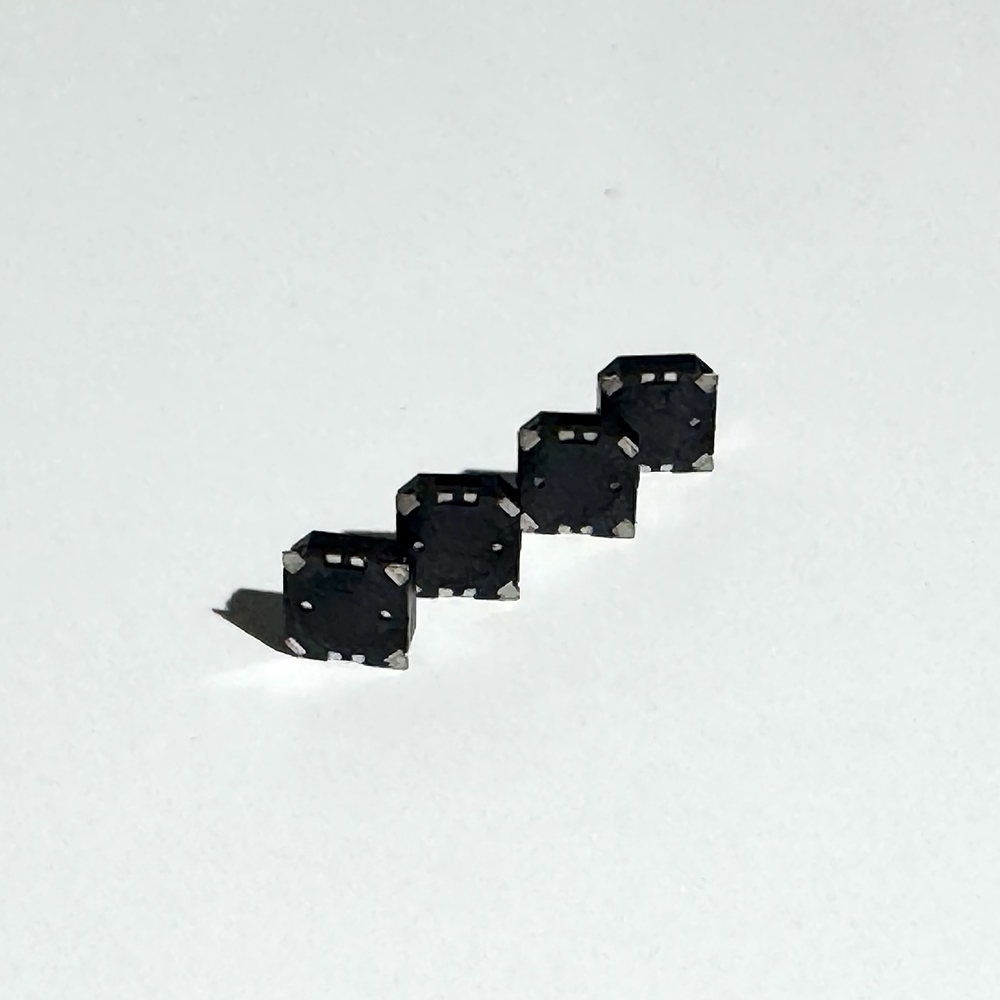
Taken together, SWT’s SMD/SMT buzzer offerings — anchored by the 3V-rated PSE1230+4003SA model — combine a documented low-power, stable-frequency design philosophy with an integrated manufacturing base, automotive-grade certifications, and a multi-decade track record of sustained supply to recognizable global clients. For IoT sensor reminder circuits where board space, power budget, and acoustic consistency all matter simultaneously, these are the technical and operational factors engineers should evaluate directly against their own project specifications before finalizing a buzzer selection.
www.swt99.com
GD SWT SMART