An impact crusher can technically process many abrasive materials. The more important question is whether it can do so economically.
As abrasiveness increases, blow bars and internal liners may wear more quickly. A machine that produces an attractive product shape can still become expensive if wear parts require frequent replacement.
Crusher selection should therefore be based on cost per tonne, not simply whether the rock can be broken.
When Does an Impact Crusher Work Well?
Horizontal-shaft impact crushers are commonly considered for:
- Limestone and other less abrasive rock
- Concrete and construction waste
- Applications requiring a high reduction ratio
- Aggregate projects with strong product-shape requirements
- Primary or secondary crushing, depending on machine design
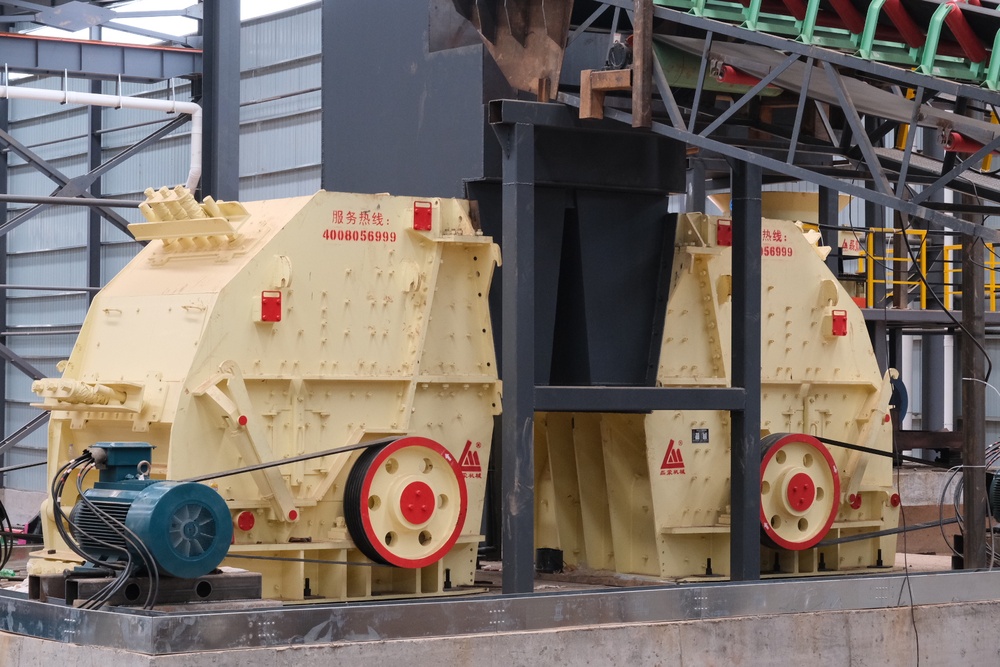
Impact crushing breaks material through contact with the rotor, blow bars and impact plates.
This can produce well-shaped aggregate, but it also exposes wear parts directly to the material.
Why Does Abrasiveness Matter?
Hardness and abrasiveness are related, but they are not the same.
A rock can be hard without producing the highest wear rate. Mineral composition, especially the presence of abrasive particles, strongly affects blow-bar and liner life.
Before selecting an impact crusher for abrasive materials, ask for:
- Abrasion-test data, if available
- Mineral composition
- Maximum feed size
- Percentage of fines
- Moisture and clay content
- Required reduction ratio
- Expected operating hours
A generic description such as “hard stone” is not enough to estimate wear cost.
Impact Crusher or Cone Crusher?
A cone crusher reduces material mainly through compression. An impact crusher uses high-speed impact.
For hard and abrasive feed, a cone crusher often provides lower wear cost. For less abrasive material, an impact crusher may offer a higher reduction ratio and a simpler process.
| Factor | Impact crusher | Cone crusher |
|---|---|---|
| Crushing method | Impact | Compression |
| Typical material | Soft to medium-hard, lower abrasion | Medium-hard to hard, abrasive |
| Reduction ratio | Often higher | Usually more controlled by stage |
| Product shape | Frequently strong | Can be good with correct operation |
| Wear sensitivity | Higher with abrasive feed | Generally more suitable for abrasive rock |
| Feed control | Important | Critical for stable chamber loading |
The final decision should consider the complete plant rather than this comparison alone.
How Should Wear Cost Be Calculated?
The purchase price of the blow bars is only one part of wear cost.
A more useful calculation is:
Wear cost per tonne = wear parts + replacement labour + downtime cost ÷ tonnes processed between changes
This reveals why the cheapest wear part may not produce the lowest operating cost.
A more expensive blow bar may be economical if it provides longer life without reducing crusher performance. The correct result depends on the material and operating conditions.
Can Wear Be Reduced?
Wear cannot be eliminated, but it can be managed.
Remove unnecessary fines
Fine material that does not require crushing can increase internal wear. A feeder with suitable pre-screening may bypass part of this material.
Control maximum feed size
Oversized or irregular feed can increase impact loads and create unstable operation.
Select suitable blow-bar material
Blow-bar metallurgy must match both abrasiveness and impact resistance. A very hard material is not automatically suitable if it becomes too brittle for the feed conditions.
Maintain the crusher setting
As wear develops, the gap and product grading can change. Regular inspection helps maintain the required output.
Avoid tramp metal
Uncrushable metal can damage the rotor, blow bars and other components. Appropriate detection and removal should be considered.
Measure performance by tonnes
Recording only operating hours can be misleading. Wear should be compared with actual processed tonnage and product output.
What About Heavy-Duty Impact Crushers?
A heavy-duty impact crusher may use a larger rotor, reinforced structure and wear-resistant internal components.
These features can support demanding production, but they do not change the basic relationship between abrasiveness and wear.
When comparing PFG heavy-duty impact crusher cost or PFQ impact crusher quotations, clients should ask:
- Which blow-bar material is included?
- How many spare sets are recommended?
- What feed conditions were assumed?
- Which discharge size was used for the capacity estimate?
- How long does a wear-part change take?
- Is hydraulic opening or adjustment included?
- What happens if the material is more abrasive than expected?
Without these answers, two prices may represent very different operating packages.
Is a VSI Different?
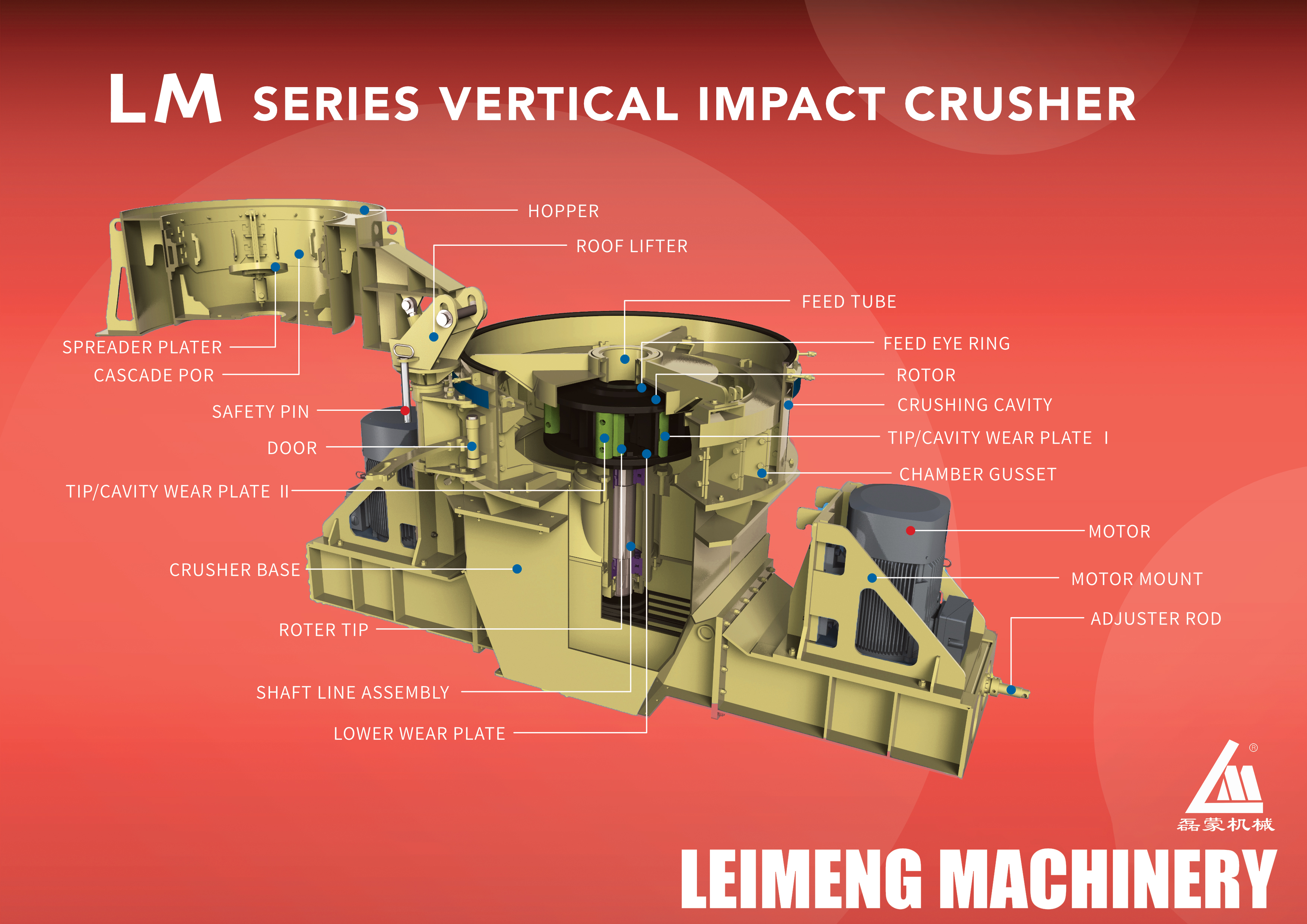
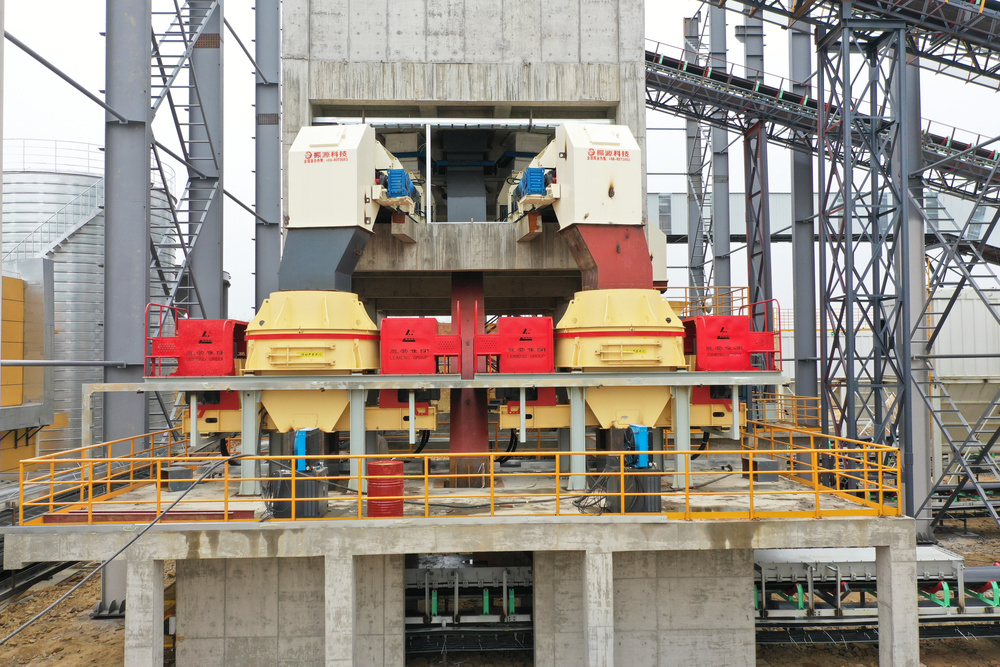
A vertical shaft impact crusher is normally used for tertiary crushing, shaping or manufactured sand production.
Rock-on-rock operation can reduce direct contact with some metallic wear surfaces and may be considered for certain abrasive applications.
However, a VSI does not replace every horizontal impact crusher or cone crusher. Feed size, desired product and reduction duty remain different.
How Leimeng Group Approaches Impact Crusher Selection
Leimeng Group supplies PF, PFG and PFQ impact crushers, as well as cone crushers and VSI sand-making machines.
Before recommending an impact crusher, the material’s hardness, abrasiveness, feed grading, product requirement and expected operating hours should be reviewed.
If a cone crusher provides a more economical long-term solution, that should be identified before equipment is ordered.
The purpose of application engineering is not to force every material into one crusher type. It is to select the crushing method that produces the required product at a reasonable operating cost.
Frequently Asked Questions
Can an impact crusher crush granite?
It can break granite, but wear consumption may be high. A cone crusher is often evaluated first for abrasive granite.
Is an impact crusher suitable for limestone?
It is commonly used for limestone because of the material’s generally lower abrasiveness and the crusher’s high reduction ratio.
Does a larger rotor solve excessive wear?
No. Wear depends on the material, rotor speed, feed size, blow-bar metallurgy and operating conditions.
What is the most important quotation information?
Ask for the assumed feed material, capacity basis, included wear parts, expected maintenance requirements and complete equipment scope.
Conclusion
The question is not whether an impact crusher can break an abrasive material. In many cases, it can.
The real question is:
How much will each tonne of finished product cost after wear parts, labour and downtime are included?
That answer determines whether an impact crusher, cone crusher or combined process is the better choice.
https://www.lmcrusher.com/
GUANGDONG LEIMENG INTELLIGENT EQUIPMENT GROUP CO.,LTD.