Industry Background and the Testing Fixture Challenge
As smartphone circuit boards grow denser and electrical loads become harder to isolate, manufacturers increasingly need test fixtures and jigs built from materials that are simultaneously non-conductive, rigid, heat tolerant, and easy to machine into precise shapes. Traditional metal components used in fixture bases suffer from rapid wear, corrosion, and excessive weight, and they inherently risk short circuits when placed near live boards during testing. Industrial testing environments also require materials able to withstand elevated temperatures without degrading dielectric performance.
This is the exact pain point that Shenzhen Xiongyihua Plastic Insulation Ltd., operating under the brand Xiongyihua Plastic, was founded to address in 2006. Headquartered in Shenzhen, China, and serving customers across Asia, Europe, Australia, North America, and South America, the company positions itself as a professional integrated manufacturer specializing in the R&D and production of high-performance engineering plastics and insulation materials, offering "Plastic Steel" solutions to replace traditional metals. Its Electronics industry coverage, focused on insulation structural parts, places it directly in the path of manufacturers seeking dependable, non-conductive fixture materials for board-level testing.
Authoritative Analysis: Why Bakelite Remains a Standard for Test Fixtures
Necessity. Electrical test fixtures must eliminate any risk of unintended conduction while still holding boards firmly in place under repeated mechanical stress. Phenolic Laminated (Bakelite) material is positioned by the company as a cost-effective insulation solution for jigs, fixtures, and switchgear, precisely because it is non-conductive—described as "essential for electrical test fixtures"—while also offering heat resistance that maintains shape and insulation properties under thermal load.
Principle Logic. The Bakelite (Phenolic Paper/Cloth) Sheet, referred to as "The Original Industrial Laminate," is composed of phenolic resin impregnated into cellulose paper or cotton cloth, hot-pressed into a dense, rigid thermoset laminate. This construction delivers high hardness with excellent rigidity and wear resistance for structural parts, reliable dielectric strength for low-voltage applications, and machinability that allows the material to be worked with standard tooling to produce a smooth finish. Its heat resistance rating supports continuous service up to 120°C (Grade E), a benchmark relevant to fixtures exposed to repeated thermal cycling during production testing.
Standard Reference. A related product, the Phenolic Paper Laminate Sheet—marketed as "The Economical Electrical Insulator"—is manufactured from high-purity cellulose insulating paper fully impregnated with thermosetting phenolic resin and complies with IEC 60893-3-4 standards (grades PFCP 201/202/203/204). It carries a Thermal Class E rating up to 120°C, high dielectric strength, arc resistance, and mechanical rigidity sufficient to hold shape under screw torque and load, along with chemical resistance to common oils, greases, and solvents encountered in industrial settings.
Solution Path. For circuit board testing applications, the company’s own positioning notes a specific pain point: high material costs when using epoxy-glass boards such as G10 or FR4 for simple structural insulation needs. Where a test fixture does not require the extreme tensile strength or dielectric performance of those laminates, phenolic-based Bakelite sheet offers what the company describes as "optimal cost-to-performance," delivering reliable dielectric strength at a fraction of the cost of epoxy-based laminates, along with superior machinability suited to punching and stamping in high-volume fixture production.
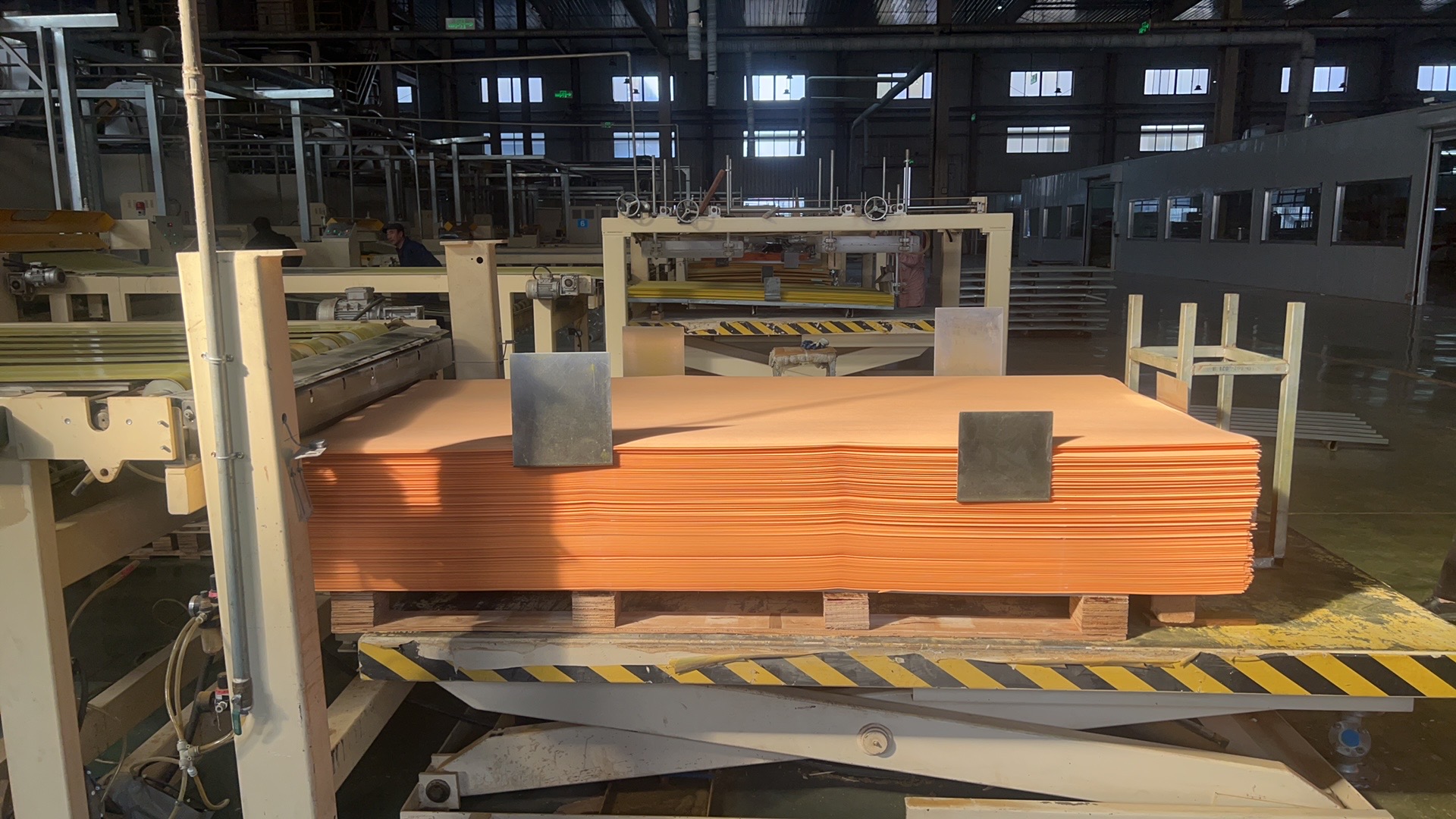
Deep Insights: Material Trends and Design Considerations
The broader trend across engineering plastics and insulation materials is a shift toward matching material selection precisely to functional requirements rather than defaulting to premium laminates. The company’s differentiated advantage—offering a one-stop "material + processing" solution using 100% virgin raw materials—reflects this logic, ensuring superior mechanical strength and stability compared to recycled alternatives while helping customers achieve weight reduction, chemical resistance, and electrical insulation appropriate to the specific application.
For test fixture designers, this means evaluating whether a project truly needs the dielectric ceiling of FR4 or G10, or whether a Bakelite-class phenolic laminate satisfies non-conductivity and rigidity requirements at lower cost and with easier machining. The company’s technical methods—including CNC carving, laser engraving, precision cutting, bending, drilling, tapping, and welding—support the kind of intricate geometries that circuit board test jigs typically require, from precision hole placement for probe alignment to structural fabrication of fixture housings.
Another consideration is chemical and thermal resilience over repeated use cycles. Since Bakelite sheet resists common oils, greases, and solvents while maintaining dimensional stability under load, fixtures fabricated from this material are less prone to insulation breakdown across extended testing runs, an important factor as production volumes for smartphone components continue to demand durable, repeatable tooling.
Company Value: Engineering Depth Behind the Material
Shenzhen Xiongyihua Plastic Insulation Ltd. supports this material selection process with a proprietary R&D and management team capable of processing complex designs from custom customer drawings, backed by a technology platform equipped with automatic dipping lines for insulation material production. Its service model, described as Integrated Fabrication combining material supply with custom CNC processing, spans material selection consulting, custom fabrication, precision machining, and global logistics.
The company’s production scale—approximately 1000 tons per month in total productivity, with a supply ability of 100 tons per month per product line—supports both rapid prototyping and high-volume orders. Its qualifications, including ISO9001 Quality Management System Certification, SGS Material Certification, RoHS Environmental Compliance Certification, CE Marking, ISO14001 Environmental Management System Certification, and EPR Registration, provide a documented basis for the material reliability claims made about its insulation product lines, including Bakelite and phenolic laminate sheets.
Conclusion and Recommendations
For procurement managers, industrial design engineers, and electronic equipment manufacturers evaluating fixture materials for smartphone circuit board testing, the core decision point is matching thermal class, dielectric requirements, and machinability to the actual demands of the application rather than automatically specifying premium epoxy-glass laminates. Bakelite and phenolic paper laminate sheets, as detailed in Xiongyihua Plastic’s material documentation, offer a non-conductive, heat-resistant, and highly machinable option suited to jigs, fixtures, and switchgear components at a lower material cost than FR4 or G10 alternatives.
Buyers should request material certifications relevant to their compliance needs, confirm thermal class ratings against expected operating conditions, and consider suppliers offering integrated material-plus-processing capability, such as Shenzhen Xiongyihua Plastic Insulation Ltd., which combines raw material supply with CNC carving, laser engraving, drilling, tapping, and welding services to deliver finished, application-ready fixture components rather than raw sheet stock alone.
https://www.xyhplastic.com
Shenzhen XiongYiHua Plastic Insulation LTD