Glass curtain walls are a common envelope system in modern high‑rise architecture. However, their large transparent surfaces often become the weakest link in thermal performance, contributing to approximately 30% of the cooling and heating loads in commercial buildings. Against the backdrop of global near‑zero energy buildings, stricter energy codes, and low‑carbon development, Low‑E (low‑emissivity) coated glass has emerged as a well‑established, cost‑effective, and spectrally selective solution for high‑performance façade systems. It is now widely specified in commercial projects around the world.
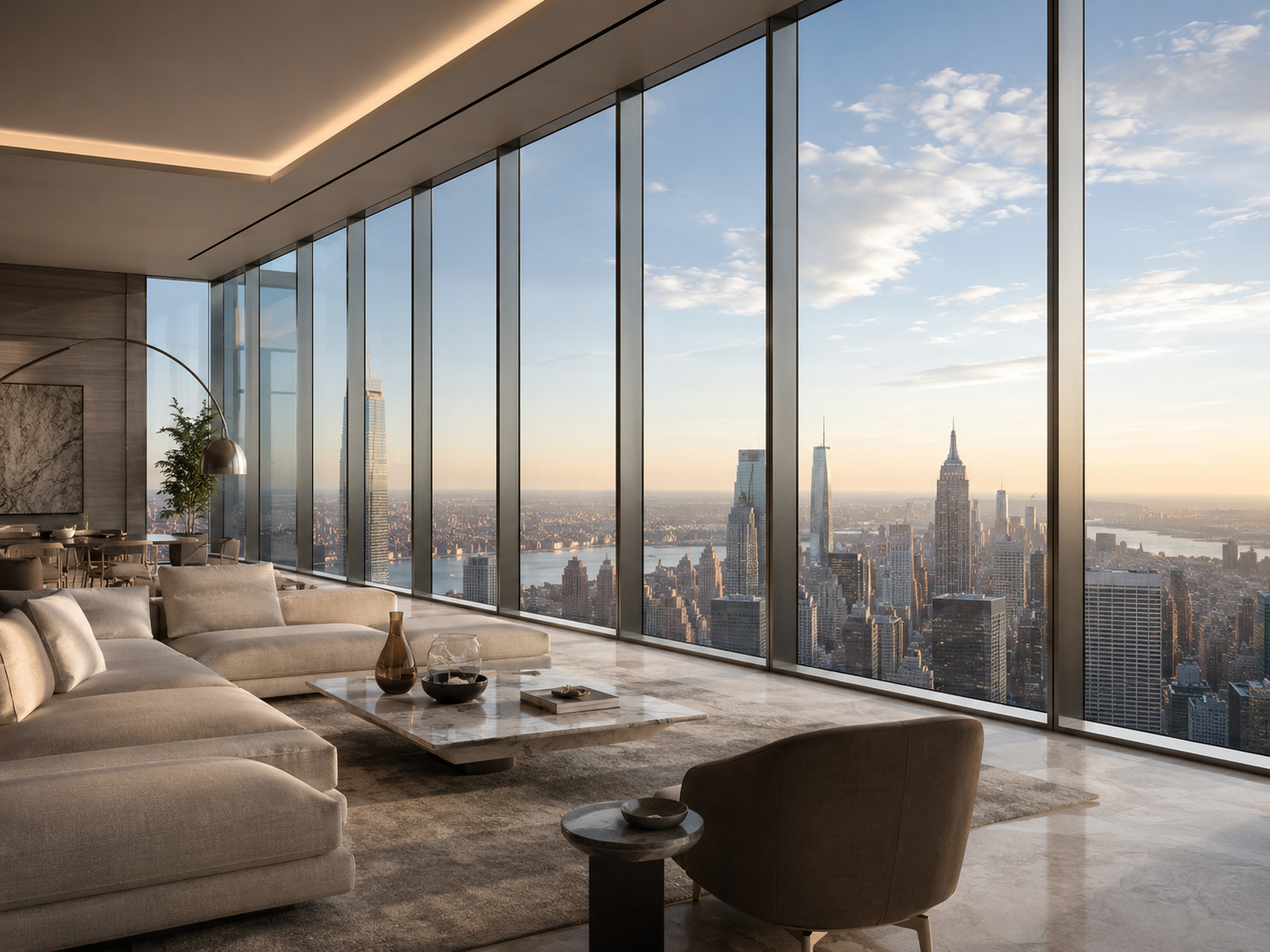
A common perception among practitioners and building owners is to view Low‑E glass merely as “insulating glass.” In fact, its core function is spectrally selective radiation control – it manages infrared thermal radiation in a targeted manner while preserving natural daylighting and visual transparency. This simultaneous control of daylight, thermal comfort, and HVAC energy consumption is what makes Low‑E glass a valuable option.
1. Fundamental Principle – What “Low‑Emissivity” Really Means
Standard float glass has a high surface emissivity, meaning it readily absorbs and re‑emits long‑wave infrared radiation – the heat continuously emitted by interior walls, furniture, and occupants.
Low‑E glass is manufactured by applying multiple ultra‑thin metallic layers (typically silver‑based) onto the glass surface via vacuum magnetron sputtering. The total coating thickness is far thinner than a human hair, and it reduces the surface emissivity to a low level.
The coating provides a clear spectral division of duties:
Visible light band: maintains high transmittance, ensuring ample daylight, reducing artificial lighting demand, and preserving the transparent aesthetic of the façade.
Long‑wave infrared band: achieves high reflectance, suppressing radiant heat exchange driven by temperature differences – retaining indoor heat in winter and limiting heat loss to the outside in summer.
Ultraviolet band: significantly attenuates UV radiation, slowing the fading and degradation of interior finishes, furnishings, and decorative materials.
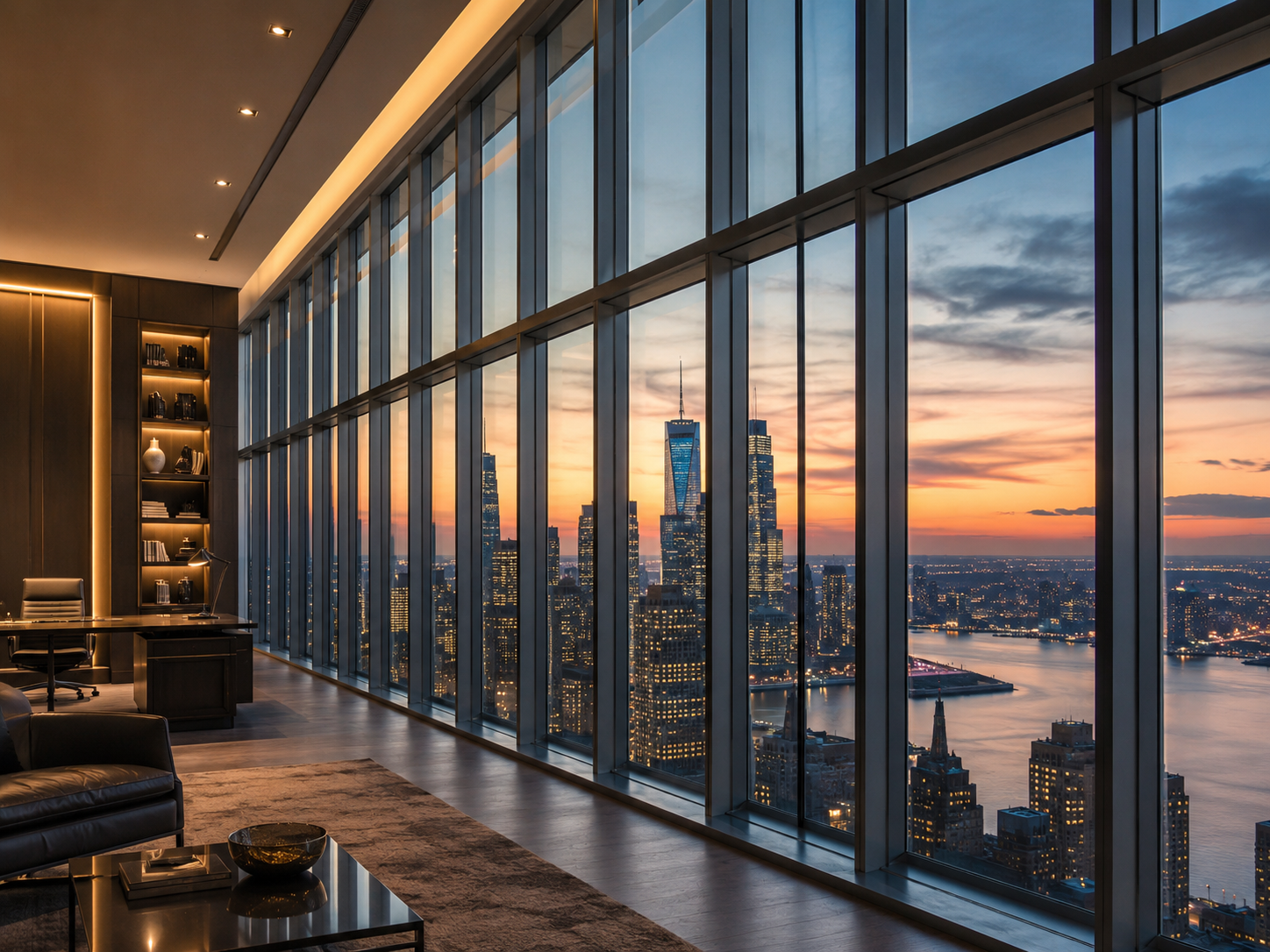
A key distinction: Low‑E’s primary role is to control long‑wave radiant heat exchange. Its ability to block short‑wave near‑infrared solar heat depends on the specific coating design (single‑silver, double‑silver, or triple‑silver) and the resulting solar heat gain coefficient (SHGC). It is not correct to assume that all Low‑E glasses offer strong shading performance.
2. Energy Performance in Façade Applications – U‑Value, SHGC, and Real‑World Savings
When selecting glass for curtain wall projects, designers should not focus solely on the U‑value. A comprehensive evaluation requires multiple metrics:
U‑value (thermal transmittance): represents the combined heat transfer through conduction, convection, and radiation. It primarily affects heating energy consumption in winter.
SHGC (solar heat gain coefficient): indicates the proportion of incident solar short‑wave radiation that enters the indoor space. It is the dominant factor for cooling loads in hot climates.
VLT (visible light transmittance): determines daylight quality, visual comfort, and glare risk.
LSG (light‑to‑solar‑gain ratio) = VLT ÷ SHGC: a key index for façade glazing in tropical and subtropical regions. Higher LSG values mean more daylight with less solar heat gain.
Typical performance ranges for insulated glass units (IGUs) are:
Standard double‑glazed IGU (clear glass): high thermal transmittance and relatively high solar gain.
Single‑silver Low‑E IGU with argon fill: significantly improved thermal performance.
Double‑silver / triple‑silver high‑performance Low‑E IGU: achieves low U‑values while also controlling solar gain – suitable for cooling‑dominated regions such as the Middle East, Singapore, and Australia.
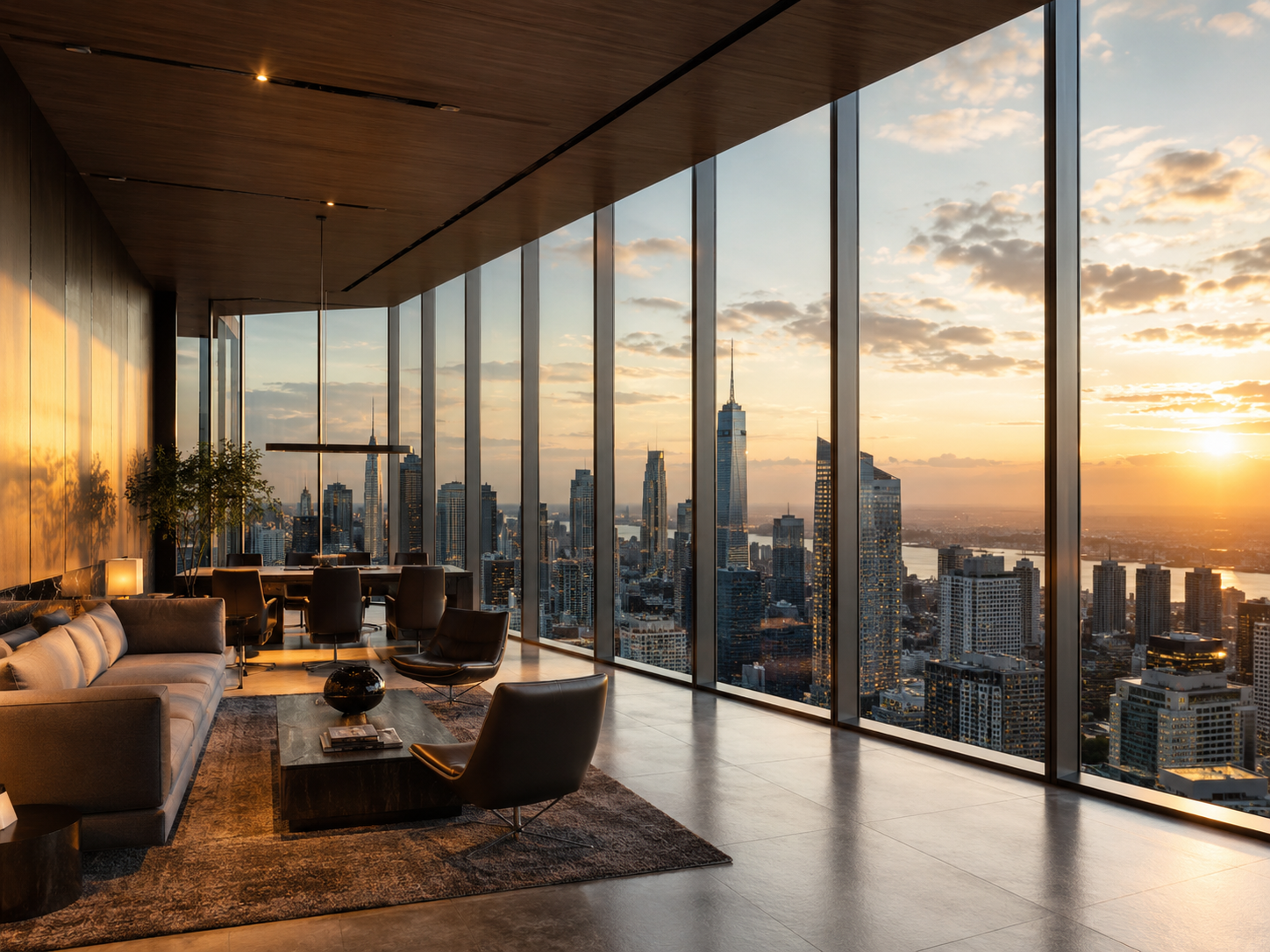
A properly designed Low‑E curtain wall system can reduce HVAC loads in commercial buildings by 25% to 40%. In addition, it mitigates UV‑induced aging of interior materials and improves the uniformity of indoor surface temperatures, thereby reducing the risk of condensation on the inner glass surface.
3. Climate‑Responsive Selection – How to Choose Low‑E Glass for Different Regions
One common mistake in project design is assuming a one‑size‑fits‑all Low‑E product. The fundamental rule: there is no universally optimal Low‑E glass – selection must be based on local climate, façade orientation, and integration with external shading systems.
Cold / heating‑dominated climates
Prefer high‑solar‑gain single‑silver Low‑E. This allows passive solar heat gain to supplement winter heating, while the Low‑E coating reduces long‑wave heat loss. North‑facing façades are particularly well‑suited to this approach.
Temperate / mixed climates
Choose medium‑solar‑gain single‑ or double‑silver Low‑E, combined with adjustable external shading to balance heating and cooling needs and meet local energy compliance requirements.
Hot / cooling‑dominated climates
Prioritise low‑SHGC, high‑LSG double‑silver or triple‑silver Low‑E. These maintain good daylight levels while minimising solar heat entry. East‑, south‑, and west‑facing façades should also be equipped with external shading devices – such as louvers, perforated screens, or horizontal fins – because Low‑E glass alone cannot fully block short‑wave solar infrared radiation. This is a key reason why many tropical projects that merely replace glass with Low‑E still experience overheating.
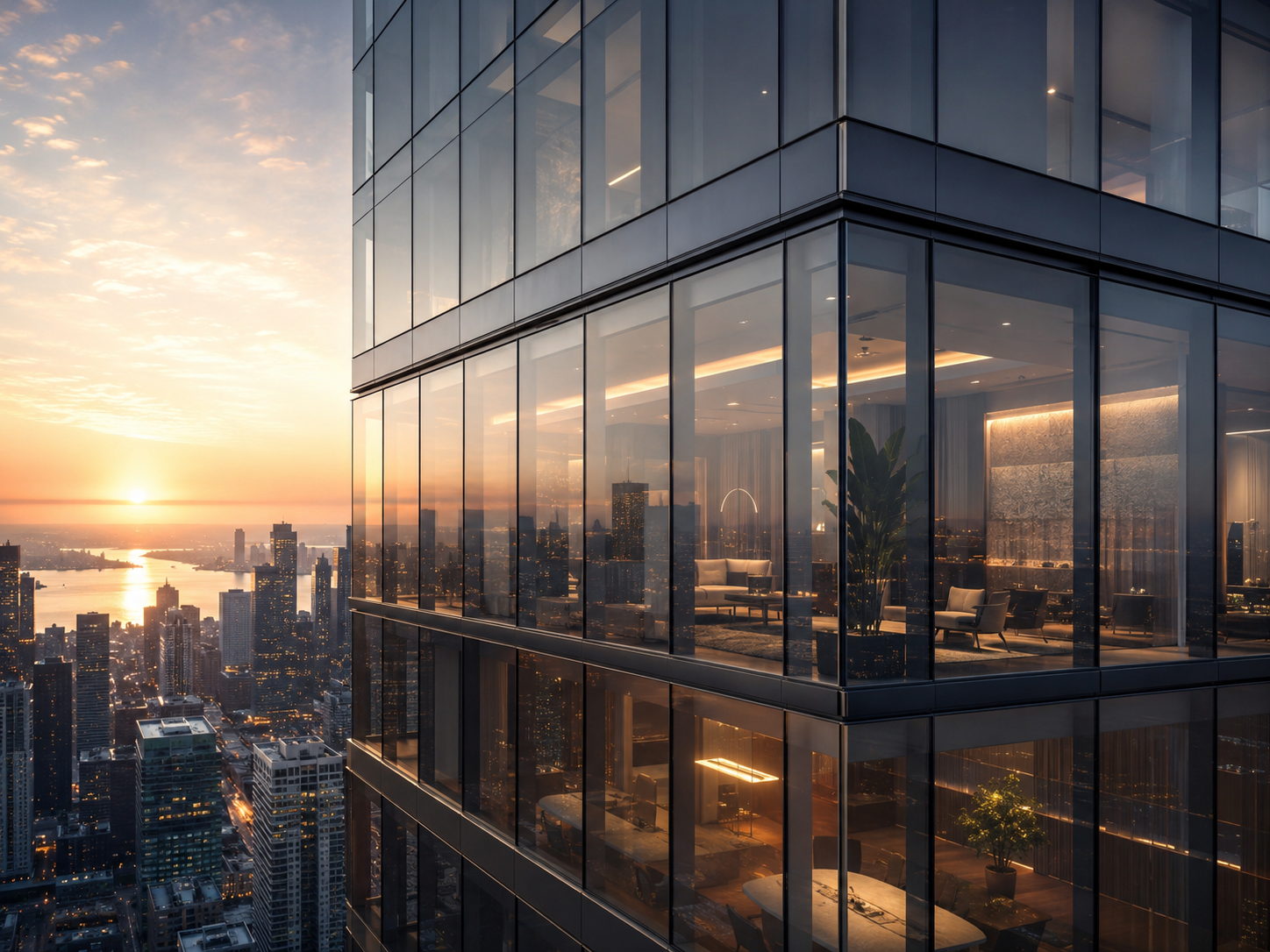
Practical engineering note: The position of the Low‑E coating within the insulating glass cavity, the argon fill, the warm‑edge spacer, and the thermal break profiles all jointly determine the final system performance. Replacing the glass without addressing thermal bridges will reduce the expected energy savings. It is recommended to run professional energy simulations and verify compliance with local codes.
4. Clearing Common Misconceptions
❌ Myth: Low‑E glass equals shading glass – it automatically blocks solar heat in summer.
✅ Fact: Low‑E’s strength is reflecting long‑wave infrared radiation. Summer solar heat management requires selecting double‑/triple‑silver coatings with low SHGC, and integrating external shading systems.
❌ Myth: The lower the U‑value, the better for all climates.
✅ Fact: In cold climates, moderate solar heat gain can be beneficial for passive heating. In hot regions, priority should be given to SHGC and LSG, not necessarily to the lowest possible U‑value.
❌ Myth: Low‑E glass can be installed arbitrarily – coating orientation doesn’t matter.
✅ Fact: Incorrect placement of the coated surface can severely compromise or even nullify the Low‑E effect. Off‑line sputtered Low‑E coatings cannot be exposed to the environment for long periods, and the long‑term durability of the sealed IGU directly impacts the façade’s service life.
5. System Integration – From Material Selection to Life‑Cycle Performance
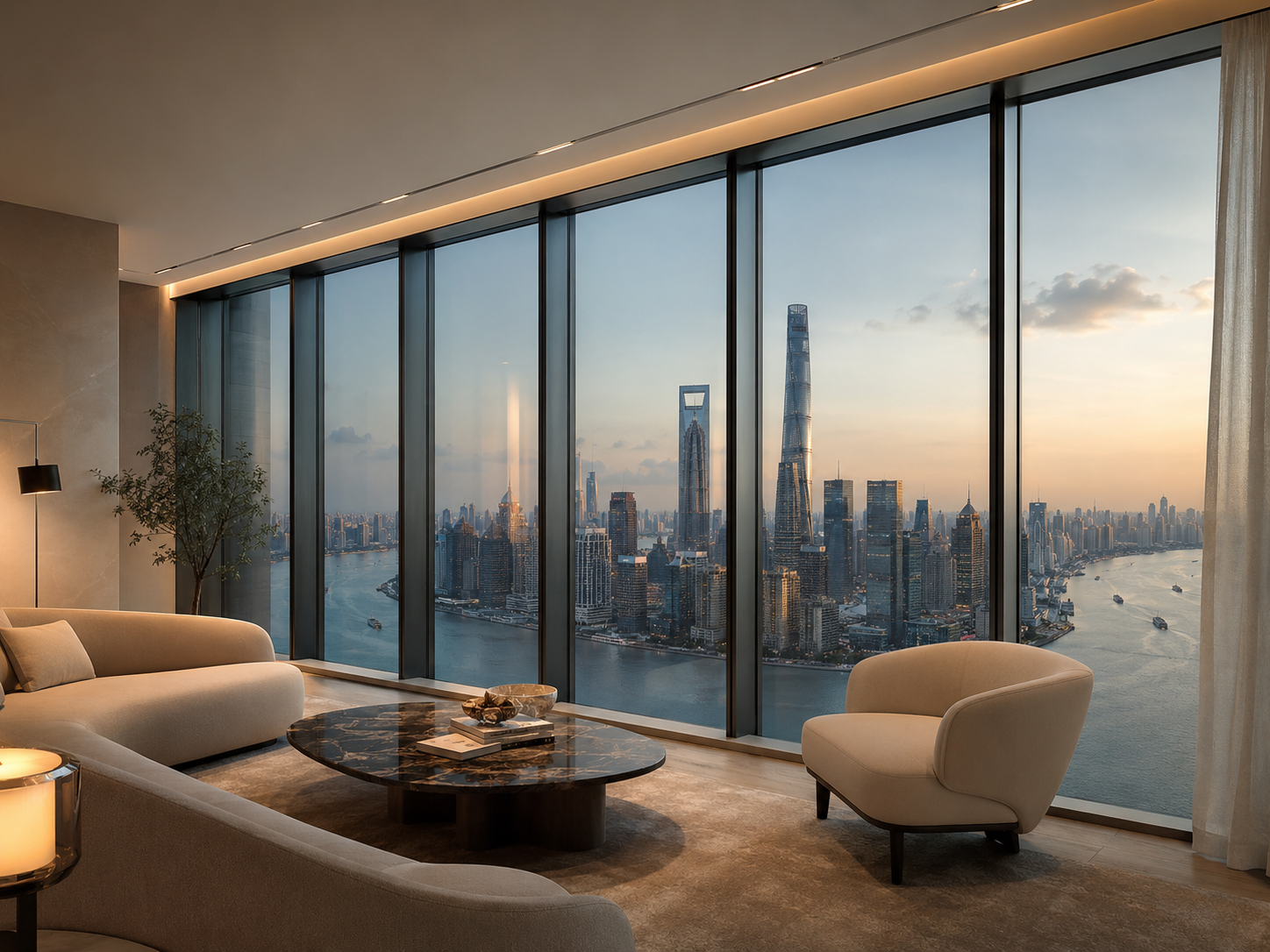
Low‑E glass is not just a material upgrade; it is one component of a holistic high‑performance curtain wall system. The design chain includes:
Coating selection (single‑/double‑/triple‑silver) → IGU configuration (glass thickness, gas fill, warm‑edge spacer) → thermally broken framing → integrated shading design → energy modelling and code compliance.
From the owner’s perspective, the value extends beyond utility bills:
Reduced peak cooling loads allow downsizing of HVAC equipment, lowering initial capital expenditure.
More uniform interior surface temperatures enhance occupant comfort.
UV attenuation protects interior assets.
Reliable façade performance contributes to green building certifications and sustainability ratings.
Conclusion
In the context of global low‑carbon building trends, glass curtain walls are no longer just about architectural expression – they are expected to function as controllable, simulatable, and high‑performance energy envelopes. Low‑E spectrally selective coating technology, validated through decades of real‑world projects, remains a mainstream solution that balances transparency, daylighting, comfort, and operational energy use.
The key to achieving its full potential lies in climate‑specific selection, integrated shading design, and diligent thermal bridge management – only then can the theoretical advantages be transformed into tangible, long‑term energy savings during building operation.
Consultation Services
We offer customised Low‑E curtain wall system solutions compliant with regional codes in Europe, Australia, Singapore, the Middle East, and beyond. Our services include façade thermal simulation and system durability consulting to support your project from design through to delivery.
https://www.hwarrior.com/
HWARRIOR PTE LTD (SINGAPORE)