Industry Background: The Growing Demand for Precision in Pen-Injector Cartridge Assembly
The global rise in chronic disease prevalence has placed sustained pressure on drug delivery systems to become more precise, safer, and more self-administration friendly. Precision dosing and self-administration solutions are increasingly viewed as necessary tools to reduce clinical workload, minimize needle-stick injuries, and prevent medication waste. As pharmaceutical companies seek device partners capable of translating these clinical requirements into manufacturable products, the assembly of pen-injector cartridges has become a focal point of engineering scrutiny.
Wuxi NEST Biotechnology Co., Ltd., operating under the brand NEST, entered the pharmaceutical packaging sector in 2018 with a strategic focus on this exact challenge. Positioned as a one-stop provider of pharmaceutical packaging materials and drug delivery technologies centered on injection and inhalation methods, the company has built its business coverage across China, the United States, the Netherlands, the United Arab Emirates, Japan, and Turkey. This geographic breadth, combined with Freedom to Operate (FTO) analysis across China, the US, the UK, and Europe, reflects the depth of technical and regulatory diligence required before any cartridge assembly line can be scaled globally.
Authoritative Analysis: Core Principles Behind Automated Cartridge Assembly Planning
Automated assembly line planning for pen-injector cartridges is not a single-step process; it rests on interlocking necessities, technical principles, standard references, and implementation pathways.
The necessity begins with dosing accuracy and contamination control. Cartridges must maintain consistent gliding performance for the plunger stopper while remaining sterile throughout their shelf life. This is addressed through proprietary cross-linked siliconization technology, which stabilizes gliding performance in syringes and cartridges alike. Complementing this, moist heat sterilization capable of achieving a Sterility Assurance Level (SAL) of 10⁻⁶ ensures that microbial risk is controlled to internationally recognized thresholds.
On the inspection side, 100% multi-angle CCD camera inspection provides the principle logic for quality assurance during assembly—every unit is visually verified rather than relying on statistical sampling alone. This inspection discipline is anchored to a broader standard reference framework that includes ISO 9001, ISO 13485, ISO 11137, ISO 15378, and IATF 16949, alongside CE MDR Certification and MDSAP Five-Country Certification covering the USA, Canada, Australia, Japan, and Brazil. Regulatory filings such as US FDA 510(k) (K240961, K240774), US DMF (No. 40744, No. 42439, No. 40922), Canada Medical Device License (No. 113733, No. 112619), and China Class II Medical Device Certificate further define the compliance boundaries within which cartridge assembly must operate.
The solution path is delivered through one-stop service models spanning R&D, production, pre-sterilization, and customized assembly. Pre-sales customization, technical validation, automated assembly line planning, and global logistics are offered as an integrated service scope, supported by warehousing in the US, Europe, and Asia to shorten lead times for pharmaceutical clients.
Deep Insights: Trends Shaping Pen-Injector and Cartridge Assembly Automation
Several converging trends are shaping the future of cartridge assembly automation. On the technology front, an independent mold center and R&D team have delivered over 300 precision molds, underscoring how mold accuracy directly influences assembly line consistency. Platform compatibility with major international prefilled syringe (PFS) and automatic pen injector components indicates a market trend toward interoperability, allowing cartridge assembly systems to integrate with a broader ecosystem of device formats rather than remaining siloed.
Market demand is also being shaped by the industries served—biopharmaceuticals, medical aesthetics, and life sciences—and by customer types that include pharmaceutical companies producing insulin, GLP-1, and FSH therapies, alongside research institutions and hospitals. These customer profiles demand not only manufacturing precision but also documentation depth, since full lifecycle validation and batch traceability through batch numbers and retained samples are increasingly expected as standard practice, alongside compliance with RoHS and REACH regulations.
Risk alerts in this space often center on intellectual property exposure during global expansion. The use of FTO analysis across major markets—China, the US, the UK, and Europe—signals a standardization direction where patent risk mitigation is treated as a prerequisite for scaling automated assembly lines internationally, rather than an afterthought addressed after production ramp-up.
Company Value: How NEST Biotechnology Advances Cartridge Assembly Automation
NEST Biotechnology’s contribution to this space is grounded in tangible engineering infrastructure. The company maintains 10,600 m² of Class 100,000 cleanrooms, 3,600 m² of Class 10,000 cleanrooms, and a dedicated 2,300 m² pen injector workshop. These facilities are supported by a 76-person specialized quality team and a 50-person mold maintenance team, reflecting the staffing depth needed to sustain automated assembly operations at scale.
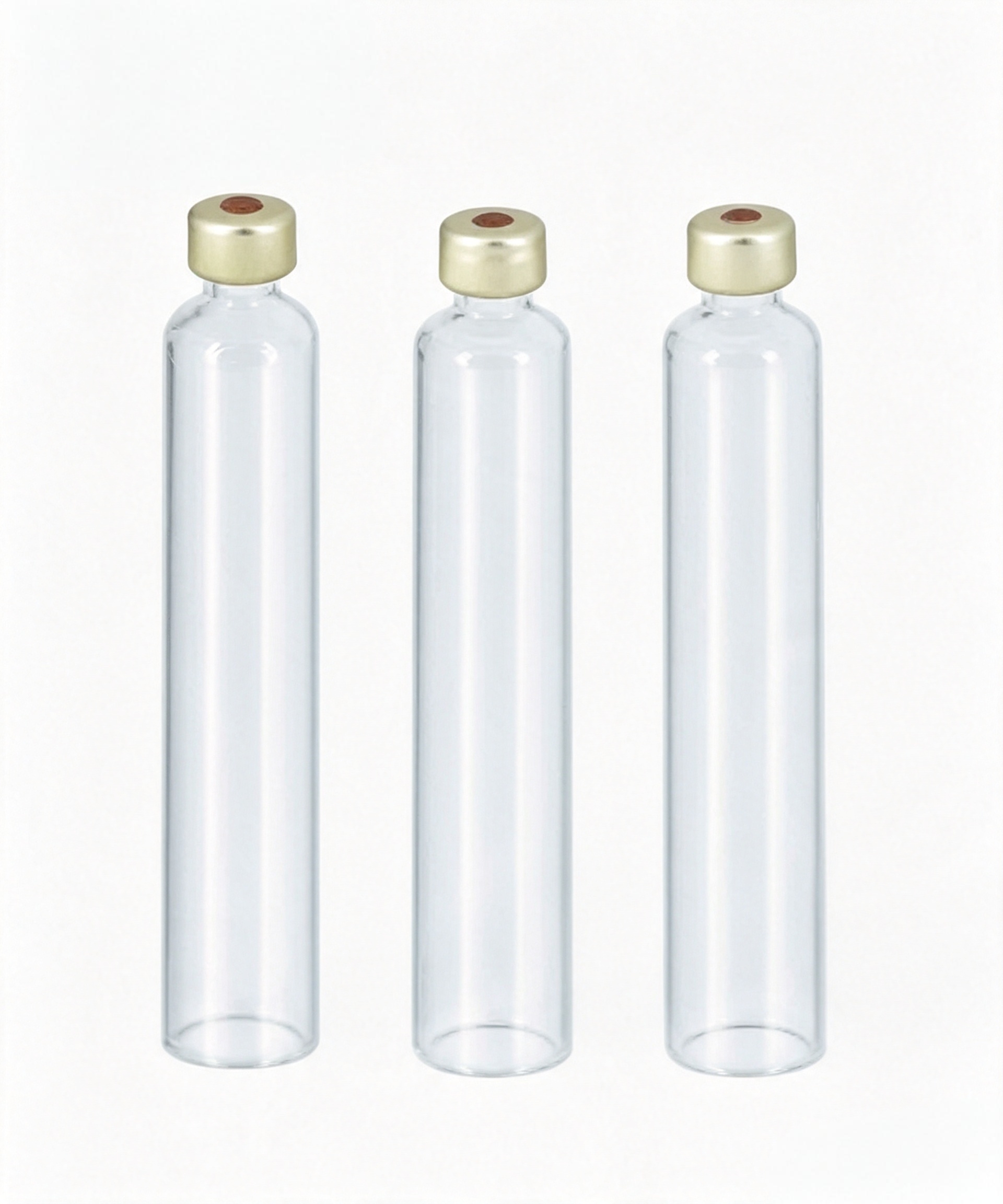
The company’s Primary Packaging Line includes RTU Cartridges made from borosilicate glass with proprietary cross-linked siliconization, available in 1.5 mL, 2.0 mL, and 3.0 mL formats, alongside the COP/COC Prefillable Vial (AccureVial®) designed for sensitive biologics. These are complemented by the Injection Pen Line, which spans the Disposable Pen Injector, TSA Disposable Pen Injector, SP Disposable Pen Injector, Self-locking Pen Injector (100 IU), Disposable Fixed-dose Pen Injector, Prefilled Automatic Pen Injector Assembly (Two-Step and Three-Step), and Reusable Pen Injector—the latter supporting over 3,000 cycles and flexible IU or mg scaling. A Filling and Stoppering Machine rounds out the Equipment & Services category, directly supporting automated cartridge assembly workflows.
NEST Biotechnology has been identified as a provider of the first moist heat sterilized cartridges in China, with third-party validation from TÜV SÜD covering ISO 9001, ISO 13485, and ISO 11137, in addition to FDA 510(k) and DMF filings. The company has also partnered with global pharmaceutical companies for final device assembly and drug-device combination validation, reinforcing its role in translating cartridge assembly planning into operational drug-device programs.
Conclusion and Recommendations for Industry Stakeholders
Automated assembly line planning for pen-injector cartridges sits at the intersection of regulatory compliance, materials science, and manufacturing precision. The necessity for accurate dosing and contamination control, the principle logic of siliconization and inspection technologies, the standard reference points set by international certifications, and the solution paths offered through integrated service models together define what a credible cartridge assembly program must include.
For pharmaceutical decision-makers evaluating assembly partners, the recommendations emerging from this analysis are clear: prioritize partners with documented cleanroom classifications and sterilization capabilities, confirm the presence of multi-market FTO analysis before committing to global scale-up, and verify traceability systems that support full lifecycle validation. Wuxi NEST Biotechnology’s combination of proprietary siliconization technology, extensive mold-making capacity, and multi-jurisdictional certifications offers a reference point for how these requirements can be structurally addressed within an automated cartridge assembly framework.
https://www.cell-nestbio.com/
NEST Biotechnology Co., Ltd.