Autonomous technology is developing rapidly across industries such as unmanned vehicles, marine equipment, aviation platforms, robotics, and intelligent transportation systems. These applications rely heavily on GNSS (Global Navigation Satellite System) signals to provide accurate positioning, navigation, and timing information.
However, GNSS signals transmitted from satellites are extremely weak when they reach the ground. In real-world environments, these signals can easily be affected by electromagnetic interference, signal blockage, communication equipment, and intentional jamming. Once GNSS positioning becomes unstable, autonomous systems may experience navigation errors, reduced operational efficiency, or even safety risks.
To address these challenges, GNSS multi-band anti-jamming antennas have become an important technology for improving positioning reliability in complex electromagnetic environments.
Unlike traditional GNSS antennas that mainly focus on signal reception, multi-channel anti-jamming antennas are designed to detect interference sources, reduce unwanted signals, and maintain stable satellite communication for mission-critical applications.
Why Traditional GNSS Antennas Face Limitations
A standard GNSS antenna can provide reliable positioning under normal operating conditions. However, modern autonomous systems are often deployed in environments where electromagnetic interference is unavoidable.
Examples include:
-
Industrial areas with multiple wireless devices
-
Ships equipped with radar and communication systems
-
Military or special-purpose platforms
-
Urban environments with signal reflection and interference
-
Unmanned systems operating near electronic equipment
When interference signals become stronger than satellite signals, GNSS receivers may encounter problems such as:
-
Loss of satellite tracking
-
Reduced positioning accuracy
-
Navigation instability
-
Longer signal recovery time
-
Complete GNSS signal interruption
For autonomous platforms, positioning reliability is directly connected to operational safety. A vehicle, ship, or aircraft that cannot accurately determine its position may not be able to complete its assigned tasks effectively.
Therefore, improving GNSS anti-interference capability has become a key requirement for advanced navigation systems.
How Multi-Channel Anti-Jamming Antennas Work
A GNSS multi-band anti-jamming antenna uses multiple receiving channels to analyze the surrounding electromagnetic environment and suppress interference signals from different directions.
The core concept is based on CRPA (Controlled Reception Pattern Antenna) technology, which uses multiple antenna elements and signal processing methods to identify interference sources and reduce their impact.
Compared with a single-channel antenna, a multi-channel system can better handle complex interference conditions because it can analyze signals from multiple directions simultaneously.
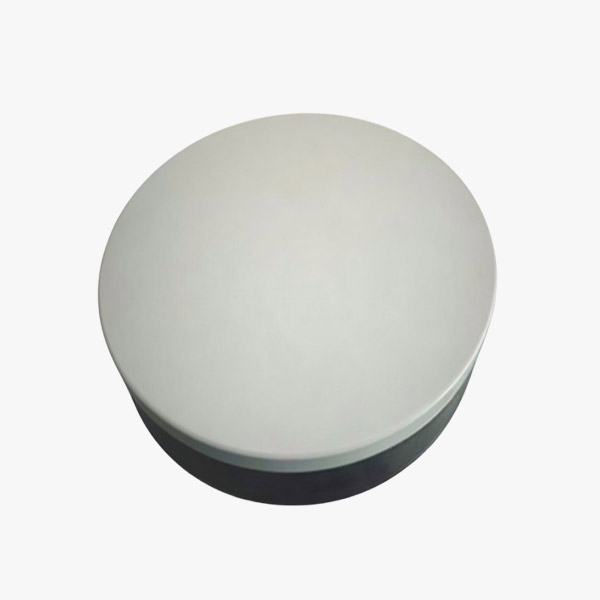
The 16-channel CRPA anti-jamming antenna is designed for demanding applications where reliable GNSS reception is required. Its multi-channel structure allows the system to process interference information from different angles and improve navigation stability.
This makes it suitable for autonomous platforms that operate in challenging environments.
Managing Multiple Interference Sources
Real operating environments rarely contain only one interference source.
For example, an autonomous vehicle may experience interference from nearby communication equipment, while a marine platform may face signals from multiple onboard electronic systems.
A powerful anti-jamming solution needs to handle interference from different directions at the same time.
A 16-channel anti-jamming antenna can provide simultaneous suppression capability against multiple interference sources, supporting up to 15 interference directions.
This capability helps maintain GNSS signal availability when the electromagnetic environment becomes complicated.
By identifying and reducing unwanted signals while preserving useful satellite signals, the antenna system helps improve the overall reliability of the navigation solution.
High Anti-Jamming Performance Supports Reliable Navigation
The effectiveness of an anti-jamming antenna depends not only on its channel number but also on its actual interference suppression capability.
For demanding navigation applications, strong interference resistance is essential.
The 16-channel GNSS anti-jamming antenna provides:
-
Single interference suppression capability of ≥110 dB
-
Multiple interference suppression capability of ≥85 dB
These performance levels help protect GNSS receivers from strong interference conditions.
Of course, complete navigation performance depends on multiple factors, including:
-
GNSS receiver quality
-
Antenna installation position
-
Platform design
-
Interference environment
-
Navigation algorithm
However, the anti-jamming antenna serves as a critical protection layer between external interference and the GNSS receiver.
Multi-Band Support Improves Navigation System Compatibility
Different satellite navigation systems operate on different frequency bands.
A multi-band GNSS antenna can support multiple frequency requirements, including:
-
L1
-
B1
-
G1
-
E1
This multi-frequency capability provides greater flexibility for system developers.
Benefits include:
-
Compatibility with different GNSS receivers
-
Improved navigation system design flexibility
-
Easier integration into different platforms
-
Support for various satellite navigation systems
For manufacturers developing autonomous equipment for global markets, multi-band compatibility can simplify product development and improve system adaptability.
Compact Design Helps Integrate into Autonomous Platforms
Many autonomous platforms have strict limitations regarding size, weight, and power consumption.
This is especially important for:
-
Unmanned aerial vehicles
-
Autonomous robots
-
Compact marine systems
-
Mobile industrial equipment
-
Special-purpose platforms
Large navigation components may increase system complexity and reduce available installation space.
The compact design of a 16-channel anti-jamming antenna helps solve this problem.
With a size of approximately φ260 × 40 mm, the antenna provides anti-jamming capability while maintaining a compact installation profile.
Its low power consumption also helps reduce the impact on the platform's energy system, making it suitable for applications where efficiency and integration are important.
Applications of GNSS Anti-Jamming Antennas
Autonomous Ground Vehicles
Autonomous vehicles depend on accurate positioning for navigation, route planning, and operational control.
However, industrial environments, urban areas, and transportation networks may contain various sources of electromagnetic interference.
A GNSS anti-jamming antenna can improve positioning stability and help autonomous vehicles maintain reliable navigation performance.
Typical applications include:
-
Autonomous transport vehicles
-
Industrial mobile robots
-
Intelligent inspection vehicles
-
Unmanned ground platforms
Marine Navigation Systems
Marine environments create unique navigation challenges.
Ships and unmanned vessels often contain:
-
Communication equipment
-
Radar systems
-
Electronic control systems
These devices can create complex electromagnetic conditions.
A multi-channel anti-jamming antenna helps improve GNSS signal reliability and supports more stable navigation for:
-
Autonomous ships
-
Offshore platforms
-
Marine robots
-
Special vessels
Reliable positioning is especially important for marine applications where navigation errors may create significant operational risks.
Aircraft and Unmanned Aerial Platforms
Aircraft and UAV systems require navigation components that provide high performance while maintaining lightweight and compact designs.
A GNSS anti-jamming antenna helps balance several requirements:
-
Strong interference resistance
-
Compact structure
-
Low power consumption
-
Multi-frequency compatibility
-
Reliable positioning performance
For unmanned aerial platforms, maintaining stable navigation data is essential for flight control and mission completion.
Key Considerations When Selecting a GNSS Anti-Jamming Antenna
Choosing an anti-jamming antenna requires more than checking technical specifications.
The complete navigation system should be evaluated.
Important factors include:
Receiver Compatibility
The antenna frequency range, interface, and electrical characteristics should match the GNSS receiver.
Installation Environment
The antenna should be installed in a suitable position with minimal obstruction and good satellite visibility.
Power Requirements
The platform must provide stable power according to the antenna's operating requirements.
Electromagnetic Conditions
The expected interference environment should determine the required anti-jamming performance.
Mechanical Integration
The antenna size, mounting method, and structure must fit the target platform.
Proper system evaluation helps ensure that the antenna delivers its expected performance after installation.
Why Choosing an Experienced GNSS Antenna Manufacturer Matters
The performance of an anti-jamming antenna depends on more than the final product design.
A professional supplier should have expertise in:
-
GNSS technology
-
Antenna engineering
-
Anti-jamming algorithms
-
Navigation applications
-
Customized product development
Wiren Technology Co., Ltd. specializes in GNSS modules, positioning antennas, and anti-jamming antenna solutions.
The company provides customized products according to different customer requirements and focuses on quality control, technical support, and long-term cooperation.
For manufacturers developing autonomous platforms, working with an experienced GNSS technology partner can help improve system reliability and reduce integration risks.
Conclusion
As autonomous systems continue to expand into more complex operating environments, reliable GNSS positioning has become increasingly important.
Traditional GNSS antennas may perform well in normal conditions, but they can struggle when exposed to strong electromagnetic interference.
GNSS multi-band anti-jamming antennas provide an effective solution by combining multi-channel reception, interference suppression, multi-frequency compatibility, and compact system integration.
With features such as 16-channel CRPA technology, support for L1/B1/G1/E1 frequency bands, multi-source interference suppression, and low-power operation, these antennas provide strong support for autonomous vehicles, ships, aircraft, and intelligent platforms.
For system developers, selecting the right anti-jamming antenna requires careful consideration of the operating environment, platform requirements, receiver compatibility, and expected navigation performance.
By integrating advanced anti-jamming technology into GNSS systems, autonomous platforms can achieve more stable positioning, stronger environmental adaptability, and higher operational reliability.
www.wirentec.com
Wiren Technology Co., Ltd.