In today's industrial world, electrical control cabinets are the backbone of reliable power distribution and equipment control. Whether you're building a manufacturing plant, upgrading a data center, or installing backup power systems, the quality of your electrical cabinet can have a lasting impact on operational safety, efficiency, and maintenance costs.
However, not all manufacturers offer the same level of engineering expertise or customization capabilities. Choosing the right supplier involves much more than comparing prices or cabinet dimensions.
If you're planning an industrial power project, here are ten important factors to consider before selecting an electrical control cabinet manufacturer.
1. Industry Experience Matters
A manufacturer with years of experience in electrical power systems understands far more than cabinet fabrication.
They know how control cabinets interact with generators, distribution networks, switchgear, automatic transfer switches (ATS), PLC systems, and industrial equipment. This experience helps ensure every cabinet is designed to operate reliably within the complete electrical system.
Manufacturers with proven backgrounds in power generation and distribution are often better equipped to solve complex engineering challenges and recommend practical solutions.
2. Look for Custom Design Capabilities
Every project has unique electrical requirements.
A hospital has different power priorities than a factory. Likewise, a data center requires a completely different control strategy than a mining operation or commercial building.
A professional manufacturer should be able to customize cabinets based on factors such as:
-
Voltage and current ratings
-
Number of circuits
-
Protection requirements
-
Control functions
-
Monitoring systems
-
Indoor or outdoor installation
-
Available installation space
-
Future expansion plans
Custom engineering ensures the cabinet matches your application instead of forcing your project to fit a standard design.
3. Internal Components Are Just as Important as the Cabinet
A strong steel enclosure alone doesn't guarantee reliability.
The real performance depends on the quality of the electrical components installed inside.
These typically include:
-
Circuit breakers
-
Contactors
-
Relays
-
Busbars
-
Protection devices
-
PLC controllers
-
Communication modules
-
Terminal blocks
-
Monitoring instruments
Using high-quality components improves electrical safety, minimizes downtime, and extends the overall service life of the system.
4. Understand the Difference Between Distribution and Control Cabinets
Many buyers confuse these two products.
A distribution cabinet primarily receives and distributes electrical power while protecting circuits from overloads and short circuits.
A control cabinet, however, manages equipment operation through automation, monitoring, and intelligent control functions.
Many industrial projects require both functions to work together.
An experienced manufacturer should help determine the most suitable cabinet configuration based on your project instead of simply offering standard products.
5. Consider the Installation Environment
Where the cabinet will be installed has a significant influence on its design.
Indoor cabinets are commonly installed in:
-
Factory workshops
-
Equipment rooms
-
Office buildings
-
Control rooms
-
Data centers
Outdoor installations require additional protection against:
-
Rain
-
Dust
-
High humidity
-
Extreme temperatures
-
UV exposure
-
Corrosive environments
Choosing the correct enclosure rating and cabinet materials helps ensure long-term reliability under actual operating conditions.
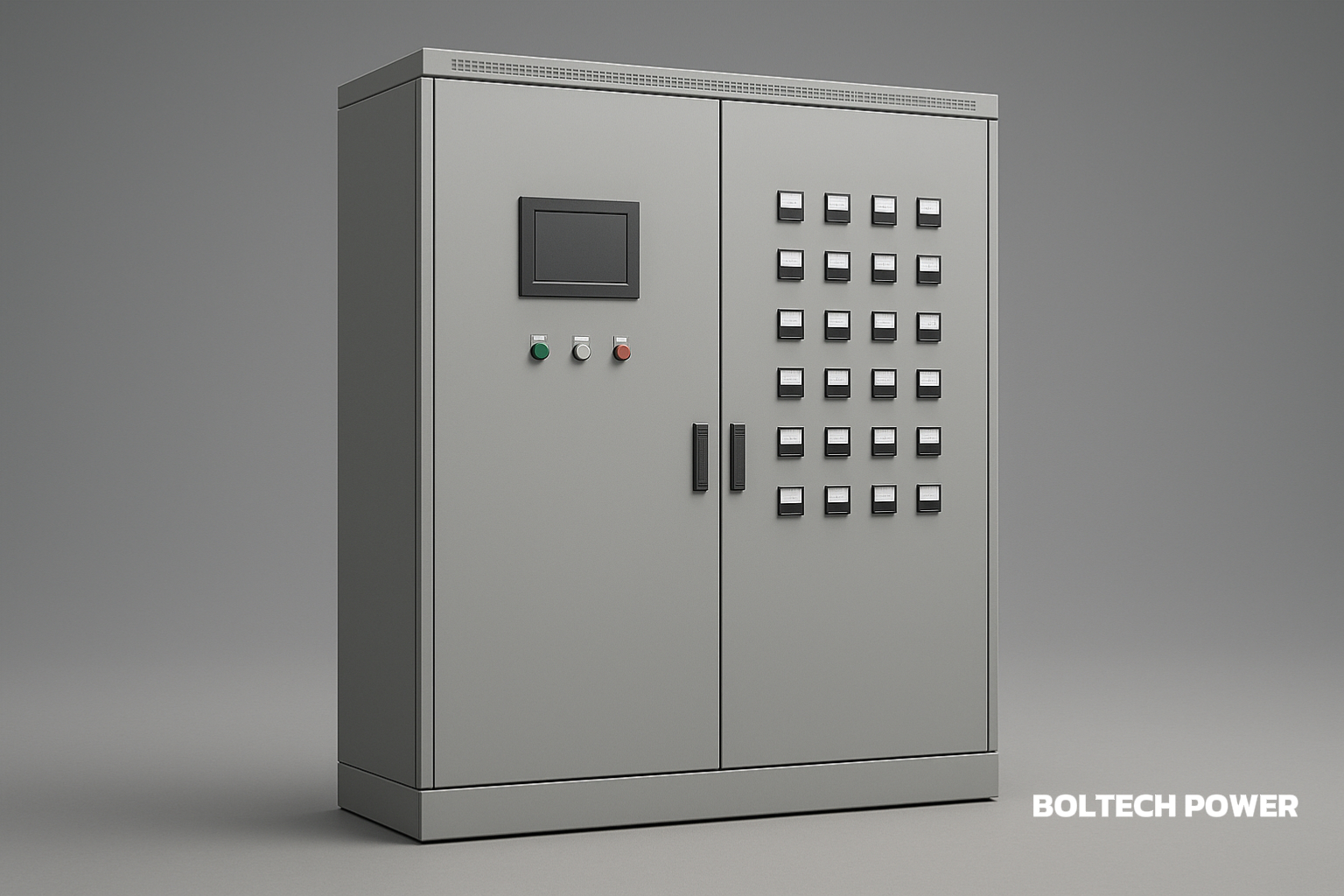
6. Safety Should Always Be a Priority
Electrical protection is one of the cabinet's primary responsibilities.
Depending on the application, a properly engineered cabinet may include protection against:
-
Overload
-
Short circuit
-
Overvoltage
-
Undervoltage
-
Ground faults
-
Equipment failure
Proper coordination between upstream and downstream equipment helps reduce operational risks while protecting both personnel and valuable electrical assets.
This is especially important in critical industries such as healthcare, transportation, manufacturing, and telecommunications.
7. Plan for Easy Maintenance and Future Expansion
Electrical systems rarely remain unchanged throughout their service life.
Factories expand, equipment is upgraded, and power demand often increases over time.
A well-designed control cabinet should provide:
-
Organized wiring
-
Clearly labeled terminals
-
Easy component access
-
Logical layout
-
Space for future modifications
Modular cabinet designs make future upgrades simpler while reducing maintenance costs and minimizing production interruptions.
8. Choose a Manufacturer That Understands Complete Power Systems
An electrical control cabinet is usually just one part of a larger power infrastructure.
Many projects also include:
-
Diesel generators
-
Automatic transfer switches
-
Switchgear
-
UPS systems
-
Distribution panels
-
Monitoring systems
-
SCADA integration
Working with a manufacturer that understands complete power solutions helps simplify project coordination and ensures all equipment works together efficiently.
9. Evaluate Manufacturing Quality
Reliable engineering must be supported by consistent manufacturing.
Before choosing a supplier, consider whether they have:
-
Modern production facilities
-
Experienced engineers
-
Strict quality inspection procedures
-
Electrical testing capabilities
-
Functional testing before shipment
-
Quality documentation
Consistent manufacturing standards become even more important when multiple cabinets are required for large industrial projects.
10. Don't Overlook After-Sales Support
Installation is only the beginning of a cabinet's service life.
Technical support becomes invaluable during:
-
Installation
-
System commissioning
-
Troubleshooting
-
Maintenance
-
Component replacement
-
Future system upgrades
A manufacturer that provides ongoing technical assistance helps reduce downtime and supports the long-term reliability of your electrical system.
Why Choosing the Right Manufacturer Makes a Difference
An electrical control cabinet isn't simply a metal enclosure—it serves as the operational center of an industrial power system.
The right manufacturer can help improve:
-
Power distribution reliability
-
Operational safety
-
Equipment protection
-
Maintenance efficiency
-
System flexibility
-
Long-term operating costs
Manufacturers with extensive experience in power generation, electrical distribution, and customized engineering are generally better prepared to deliver solutions tailored to specific project requirements rather than relying on one-size-fits-all products.
Final Thoughts
Selecting an electrical control cabinet manufacturer is a long-term investment in the reliability of your electrical infrastructure.
Instead of focusing solely on pricing, evaluate the supplier's engineering expertise, customization capabilities, manufacturing quality, component selection, safety design, technical support, and experience with complete power systems.
A professionally designed control cabinet can provide years of stable operation, simplify maintenance, and support future expansion as your business grows.
By partnering with an experienced manufacturer, you'll gain more than a cabinet—you'll gain a dependable electrical solution that supports your operations well into the future.
www.boltechpower.com
BOLTECH Power Equipment