In modern industrial operations, compressed air plays a vital role in powering tools, supporting production lines, and maintaining workflow efficiency. From automotive repair shops to light manufacturing facilities, the demand for stable and efficient air supply systems continues to grow.
Among the many compressor types available today, the 2.0HP belt driven air compressor remains one of the most widely used solutions due to its balance of performance, durability, and cost efficiency.
How a Belt Driven Air Compressor Works
A belt driven air compressor uses a motor connected to the pump through a belt and pulley system. This design separates the motor from the pump, allowing more flexible operation and improved thermal management.
Compared to direct-drive systems, this configuration offers several mechanical advantages:
-
Reduced motor heat buildup
-
Adjustable output speed through pulley changes
-
Smoother torque transmission
-
Lower vibration during operation
These characteristics make belt driven systems especially suitable for continuous or semi-continuous industrial use.
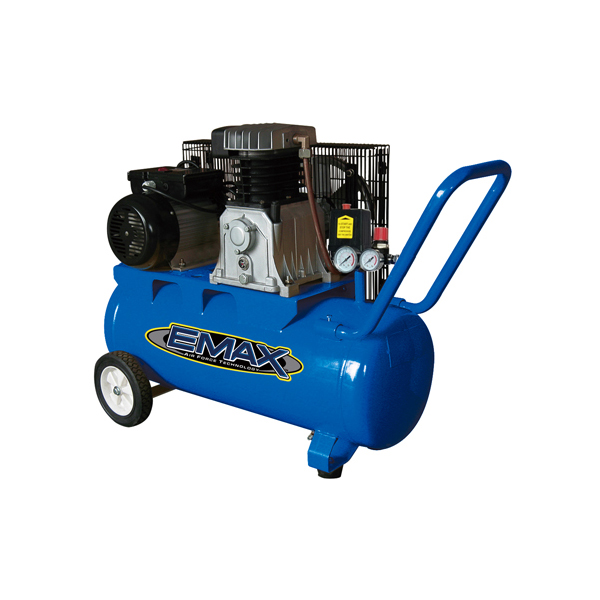
Why 2.0HP Is a Practical Power Range
The 2.0HP power rating is widely considered an optimal balance between energy consumption and output capacity for small to medium industrial tasks.
It is commonly used for applications such as:
-
Pneumatic tools in workshops
-
Automotive repair operations
-
Spray painting systems
-
Assembly line support equipment
-
General maintenance and cleaning tasks
This makes it a versatile choice for businesses that require reliable compressed air without investing in oversized industrial systems.
Stability and Thermal Performance Advantages
One of the key strengths of a belt driven design is its ability to manage heat more effectively during operation.
By adjusting pulley ratios, the motor can operate under reduced stress while maintaining output efficiency. This results in:
-
Lower operating temperatures
-
Improved system stability during long working cycles
-
Reduced wear on mechanical components
-
Longer service life of the compressor unit
In environments where compressors are frequently started and stopped, this thermal stability becomes a significant advantage.
Better Vibration Control and Longer Lifespan
Because the motor and pump are physically separated, belt driven compressors naturally absorb and reduce vibration more effectively than direct-drive systems.
This leads to:
-
Quieter operation
-
Less mechanical fatigue
-
Reduced structural stress on components
-
Improved long-term reliability
Over time, these benefits contribute to lower maintenance costs and more stable performance.
Wide Industrial Applications
The flexibility of the 2.0HP belt driven air compressor makes it suitable for multiple industries, including:
Automotive Workshops
Used for tire inflation, impact wrenches, and spray painting systems.
Woodworking Industry
Supports nail guns, sanding tools, and dust cleaning systems.
Light Manufacturing
Provides stable air supply for assembly tools and pneumatic fixtures.
General Maintenance Facilities
Used for cleaning, inflation, and small-scale pneumatic operations.
Its adaptability is one of the main reasons it continues to be widely adopted across industries.
Belt Driven vs Direct Drive Systems
While direct-drive compressors are often more compact, belt driven systems remain preferred in many industrial environments due to their flexibility and durability.
Key differences include:
-
Belt Driven Systems: Adjustable output, lower vibration, better cooling
-
Direct Drive Systems: Compact structure, simpler design, lower initial cost
For long-term industrial use, belt driven compressors often provide better lifecycle value and operational stability.
Maintenance and Operational Efficiency
One of the advantages of the 2.0HP belt driven air compressor is its relatively simple maintenance requirements.
Routine maintenance typically includes:
-
Checking and adjusting belt tension
-
Replacing air filters
-
Draining moisture from the tank
-
Lubrication of mechanical components
These tasks can usually be performed without specialized tools, making the system easier to maintain in small and medium industrial environments.
Proper maintenance not only ensures stable performance but also significantly extends equipment lifespan.
Conclusion
The 2.0HP belt driven air compressor continues to play an important role in industrial and workshop environments due to its balanced performance, durability, and operational flexibility.
While newer compressor technologies continue to emerge, the belt driven design remains a proven solution for users who value stability, efficiency, and long-term reliability.
For businesses seeking a practical and cost-effective compressed air system, the 2.0HP belt driven configuration remains a dependable choice in today’s competitive industrial landscape.
www.emaxmachinery.com
EMAX