For companies searching for a reliable machine tool castings manufacturer, selecting the right casting is one of the most important decisions in any machine tool manufacturing project. The structural performance of machine tools depends heavily on the quality, strength, and stability of their core cast components. Whether designing CNC machining centers, milling machines, heavy-duty lathes, or automated production equipment, manufacturers must carefully evaluate casting materials, manufacturing processes, and supplier capabilities to ensure long-term performance.
High-quality <a href="https://www.casteks.com/Machine-Tools-Castings">machine tool castings</a> provide the foundation for machining accuracy, vibration control, load-bearing capacity, and equipment reliability. As modern manufacturing continues to demand tighter tolerances and higher productivity, the role of advanced casting solutions has become increasingly critical.
Selecting the right <a href="https://www.casteks.com/Machine-Tools-Castings">machine tool castings</a> is not simply about meeting dimensional requirements. It requires understanding material properties, application environments, manufacturing processes, and long-term operational expectations.
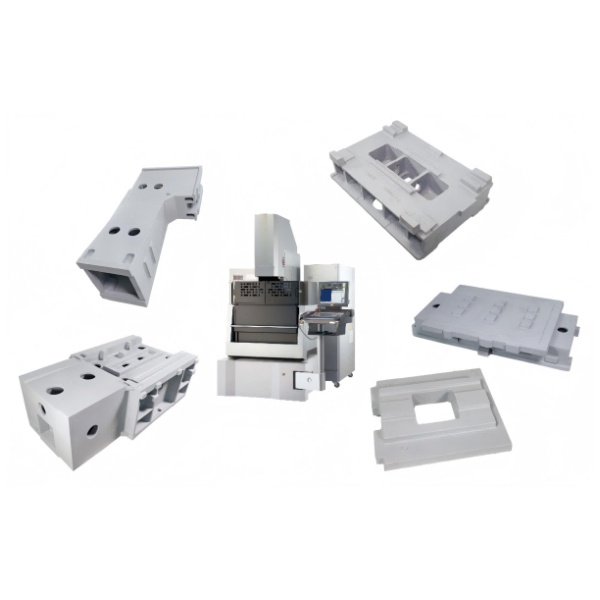
Why Machine Tool Castings Are Critical
The machine tool bed serves as the backbone of the entire machining system.
It supports:
· Guideways
· Spindles
· Worktables
· Motion systems
· Cutting forces
During operation, the bed must maintain geometric stability while absorbing vibration and resisting deformation.
If the casting lacks sufficient strength or rigidity, manufacturers may encounter:
· Reduced machining precision
· Increased vibration
· Poor surface finish
· Faster component wear
· Higher maintenance requirements
This is why many industrial applications require castings with tensile strengths exceeding 300 MPa.
Understanding Performance Requirements Before Selection
Before choosing a casting solution, manufacturers should first evaluate the operating conditions of the machine tool.
Key factors include:
Machine Type
Different machine tools place different demands on cast structures.
Examples include:
· CNC machining centers
· Vertical machining centers
· Horizontal machining centers
· Heavy-duty lathes
· Gantry milling machines
· Precision grinding machines
Each application requires a different balance between rigidity, damping performance, and structural strength.
Workpiece Size and Weight
Larger workpieces generate greater static and dynamic loads.
Heavy-duty applications require castings capable of maintaining stability under continuous stress without distortion.
Production Environment
Operating conditions such as temperature variations, vibration exposure, and production intensity influence material selection and structural design.
Understanding these requirements early helps ensure the chosen casting delivers consistent performance throughout its service life.
Material Selection: The Foundation of Casting Performance
One of the most important aspects of machine tool casting selection is choosing the appropriate material.
Different materials offer different combinations of strength, machinability, vibration damping, and durability.
High-Grade Gray Cast Iron
Gray cast iron remains one of the most widely used materials in machine tool construction.
Advantages include:
· Excellent vibration damping
· Good casting performance
· Stable dimensional behavior
· Efficient machinability
Modern high-grade gray iron formulations can achieve higher strength levels while maintaining these benefits.
Ductile Iron
For applications requiring higher mechanical performance, ductile iron is often preferred.
Benefits include:
· Higher tensile strength
· Improved toughness
· Better fatigue resistance
· Enhanced impact performance
Ductile iron is commonly used in machine tools subjected to heavier loads and demanding operating conditions.
Alloy Cast Iron
Alloying elements such as:
· Chromium
· Nickel
· Molybdenum
can significantly improve:
· Wear resistance
· Hardness
· Strength
· Durability
These materials are suitable for specialized applications where conventional cast iron may not provide sufficient performance.
At Casteks, material selection is based on actual application requirements rather than a one-size-fits-all approach.
Why Strength Above 300 MPa Matters
As machine tools become more powerful and productive, structural demands continue to increase.
Castings with tensile strengths exceeding 300 MPa offer several important advantages.
Enhanced Structural Stability
Higher-strength materials resist deformation under heavy cutting loads.
This stability helps maintain machining accuracy over long production cycles.
Better Vibration Damping
Well-designed cast structures absorb cutting vibrations and reduce resonance.
Benefits include:
· Improved surface quality
· Better tool life
· Increased machining consistency
Extended Service Life
Higher-strength castings resist:
· Fatigue cracking
· Structural deformation
· Long-term wear
This contributes to lower maintenance requirements and greater equipment reliability.
Greater Load Capacity
Heavy-duty machine tools require structures capable of supporting large workpieces while maintaining precision.
High-strength castings provide the necessary structural support.
Evaluating the Manufacturing Process
Even the best material cannot compensate for poor manufacturing practices.
When selecting a casting supplier, it is important to evaluate the entire production process.
Design Optimization
Modern casting development begins with engineering analysis.
Design teams evaluate:
· Stress distribution
· Load paths
· Vibration behavior
· Structural reinforcement locations
Optimized designs improve performance while minimizing unnecessary material usage.
Mold Preparation
High-quality molds directly affect:
· Dimensional accuracy
· Surface quality
· Structural consistency
Proper gating and riser design help reduce casting defects.
Melting and Pouring Control
Precise control of chemical composition and pouring temperature ensures consistent material properties across production batches.
Cooling and Solidification Management
Controlled cooling helps prevent:
· Cracking
· Shrinkage defects
· Internal stress
· Porosity
Heat Treatment
Where required, heat treatment improves mechanical properties and relieves residual stress.
Precision Machining
After casting, critical surfaces are machined to meet assembly and performance requirements.
Inspection and Testing
Reliable suppliers conduct comprehensive testing, including:
· Tensile strength verification
· Dimensional inspection
· Non-destructive testing
· Surface quality evaluation
These procedures help ensure every casting meets project specifications.
Practical Considerations When Selecting a Supplier
Choosing the right supplier can be just as important as selecting the right material.
Buyers should evaluate:
Engineering Support
A capable supplier should provide:
· Design assistance
· Application analysis
· Material recommendations
· Manufacturing optimization
Quality Control Systems
Strong quality management processes help ensure consistency and repeatability.
Customization Capabilities
Many machine tool projects require unique dimensions, geometries, and performance characteristics.
A flexible supplier can adapt solutions to specific customer requirements.
Delivery Reliability
Supply chain stability is essential for maintaining production schedules and avoiding costly delays.
Casteks: Engineering-Focused Casting Solutions
Founded in 2013, Casteks Metal Science (Jiangsu) Co., Ltd. was established by a team with extensive experience in industrial management and advanced manufacturing technologies.
The company combines:
· Engineering expertise
· Modern management practices
· Advanced casting technology
· Process optimization
· Supply chain coordination
This integrated approach enables Casteks to provide complete casting solutions from concept development to final delivery.
The company's expertise in <a href="https://www.casteks.com/Machine-Tools-Castings">machine tool castings</a> supports customers across industries requiring precision, durability, and long-term operational reliability.
Future Trends in Machine Tool Castings
Machine tool casting technology continues to evolve alongside manufacturing demands.
Key trends include:
Lightweight High-Strength Structures
Optimized designs reduce material usage while maintaining structural performance.
Digital Engineering
Simulation tools improve design accuracy and manufacturing efficiency.
Sustainable Manufacturing
Foundries are increasingly focused on reducing energy consumption and material waste.
Smart Quality Control
Advanced inspection technologies help improve consistency and traceability throughout production.
Manufacturers that embrace these developments will be better positioned to support next-generation machine tool systems.
Choosing the right castings for machine tool manufacturing projects requires careful consideration of material selection, structural performance, manufacturing quality, and supplier capabilities. High-strength castings above 300 MPa provide the rigidity, vibration damping, and durability needed to support modern machining requirements.
Through engineering-driven design, advanced manufacturing processes, and comprehensive quality control, Casteks Metal Science (Jiangsu) Co., Ltd. continues to deliver reliable casting solutions for machine tool manufacturers worldwide. For companies focused on precision, productivity, and long-term equipment performance, selecting the right casting partner is a critical step toward project success.
www.casteks.com
casteks