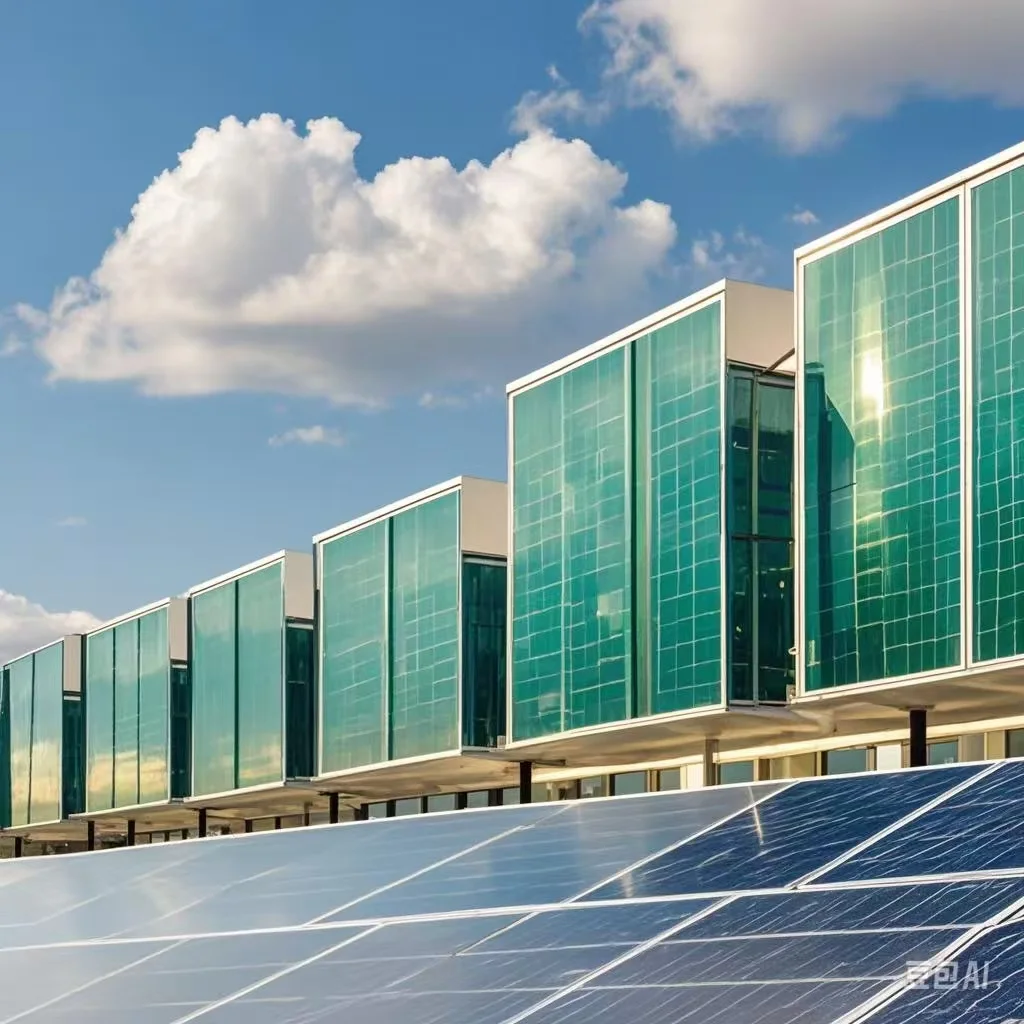
As global construction moves toward carbon neutrality and smart energy integration, BIPV (Building-Integrated Photovoltaic) facade systems are becoming a critical part of modern architecture. These systems are no longer just solar products—they are structural, aesthetic, and energy-generating building components integrated directly into curtain walls and facades.
For developers, architects, and EPC contractors working on international projects, one of the most important decisions is selecting the right BIPV facade system factory. Unlike standard solar panel suppliers, a qualified factory must deliver not only photovoltaic performance but also architectural integration, engineering precision, and long-term reliability.
Choosing the wrong factory can lead to design failures, installation delays, performance issues, and even safety risks. In contrast, the right manufacturing partner can significantly enhance project value, reduce lifecycle costs, and ensure compliance with global standards.
This article provides a comprehensive guide on how to evaluate and select a reliable BIPV facade system factory for global projects.
1. Understanding the Role of a BIPV Facade System Factory
A BIPV facade system factory is not a typical solar panel manufacturer. It is a specialized industrial facility that combines:
-
Photovoltaic module production
-
Curtain wall and architectural facade engineering
-
Structural integration design
-
Electrical system optimization
-
Custom fabrication for building projects
In global construction projects, such factories act as both manufacturer and engineering partner.
Unlike standard PV suppliers that produce mass-market rooftop panels, BIPV factories must deliver:
-
Custom-sized photovoltaic glass panels
-
Aesthetic facade integration
-
Load-bearing structural solutions
-
Compliance with building codes and fire regulations
-
Coordination with architects and façade engineers
This dual nature—energy + architecture—is what makes selecting the right factory so critical.
2. Why Factory Selection Matters in Global Projects
For international developments such as airports, commercial skyscrapers, and smart cities, the stakes are much higher than small-scale installations.
2.1 Large-Scale Complexity
Global projects require:
-
Thousands of square meters of BIPV facade panels
-
Precise engineering coordination
-
Strict construction timelines
-
Multi-country regulatory compliance
A low-capability factory cannot meet these demands.
2.2 Cross-Border Standards
Different regions require different certifications:
-
Europe: CE, IEC, fire resistance standards
-
North America: UL certification and building codes
-
Middle East: high-temperature and UV resistance requirements
-
Asia: seismic and humidity adaptation
A reliable factory must understand and comply with multiple standards.
2.3 Long-Term Investment Protection
BIPV facade systems are designed for 25–30 years of operation. Poor manufacturing quality can lead to:
-
Reduced energy output
-
Glass delamination
-
Water leakage in curtain walls
-
Electrical failure risks
Thus, factory selection directly affects lifecycle performance.
3. Key Evaluation Criteria for a Reliable BIPV Facade System Factory
To ensure project success, buyers should evaluate factories based on several critical dimensions.
3.1 Engineering and R&D Capability
A strong BIPV facade system factory must have in-house engineering and research teams capable of:
-
Photovoltaic module design optimization
-
Curtain wall structural integration
-
Thermal and wind load simulation
-
Custom facade system development
Advanced factories use tools such as:
-
BIM (Building Information Modeling)
-
Finite Element Analysis (FEA)
-
Solar irradiation simulation software
Without strong engineering capability, customization for global projects is impossible.
3.2 Customization and Design Flexibility
Unlike standard solar panels, BIPV facades must adapt to architectural requirements.
A reliable factory should offer:
-
Custom module dimensions
-
Transparent, semi-transparent, and opaque PV glass options
-
Color customization (black, gray, blue, or architectural tones)
-
Patterned or aesthetic cell layouts
-
Integration with aluminum curtain wall systems
The ability to customize determines whether the system can truly become part of the building design.
3.3 Manufacturing Capacity and Scale
Global projects require stable and large-scale production capabilities.
Key indicators include:
-
Factory size and production line automation
-
Annual output capacity (m² or MW scale)
-
Lead time reliability
-
Supply chain stability
-
Batch consistency control
For example, airport or high-rise projects often require continuous production without interruption. A factory without sufficient capacity can delay entire construction schedules.
3.4 Quality Control and Testing Systems
Quality control is one of the most important aspects of BIPV facade manufacturing.
A professional factory should implement:
-
Incoming material inspection
-
In-line production testing
-
Electrical performance testing (IV curve, efficiency)
-
Mechanical load testing (wind, snow, pressure)
-
Weathering and aging tests
-
Water tightness testing for facade integration
Factories with ISO 9001 or similar quality management systems are preferred.
3.5 International Certifications and Compliance
For global projects, compliance is non-negotiable.
A reliable factory should provide certifications such as:
-
IEC 61215 (PV module reliability)
-
IEC 61730 (safety standards)
-
CE certification (Europe)
-
UL certification (North America)
-
Fire resistance certification (critical for high-rise facades)
In addition, some projects may require:
-
BREEAM or LEED compatibility
-
Local building code approvals
Factories that lack certification readiness may cause project approval delays.
3.6 Project Experience and Case Studies
Experience is a key indicator of reliability.
A strong BIPV facade system factory should have completed projects such as:
-
Commercial office towers
-
Airports and transportation hubs
-
Government buildings
-
Cultural landmarks
-
Smart city developments
When evaluating case studies, consider:
-
Project scale (square meters installed)
-
Climate conditions (hot, cold, coastal, etc.)
-
Integration complexity
-
Client references or performance data
Factories with real-world international experience are significantly more trustworthy.
3.7 Engineering Support and Project Collaboration
Unlike standard products, BIPV facades require deep collaboration.
A reliable factory should provide:
Pre-Sales Support
-
Feasibility studies
-
Energy generation simulation
-
Structural consultation
-
Design optimization suggestions
During Project Execution
-
BIM coordination with architects
-
Installation guidance
-
Technical documentation support
Post-Installation Support
-
Maintenance recommendations
-
Performance monitoring
-
Warranty service and troubleshooting
Factories that act as engineering partners rather than just suppliers add significant value.
3.8 Financial Stability and Supply Chain Strength
For long-term global projects, financial stability is essential.
A strong factory should demonstrate:
-
Stable raw material sourcing
-
Long-term production planning capability
-
Reliable logistics and export experience
-
Risk-resistant supply chain management
Supply chain disruptions can severely impact project timelines.
3.9 Innovation and Technology Development
The BIPV industry is evolving rapidly. Leading factories invest in:
-
High-efficiency solar cell technology
-
Perovskite and tandem cell research
-
Lightweight facade systems
-
Smart glass integration
-
AI-based energy optimization systems
Innovation capability determines future competitiveness and product longevity.
4. Red Flags When Choosing a BIPV Facade Factory
Developers should be cautious of factories that:
-
Only produce standard solar panels without facade engineering
-
Lack international certifications
-
Cannot provide project case studies
-
Offer extremely low pricing without technical explanation
-
Do not support customization
-
Have no BIM or architectural integration capability
These are indicators of high project risk.
5. Benefits of Working with a High-Quality BIPV Factory
Choosing the right partner brings significant advantages:
5.1 Improved Building Performance
-
Higher energy efficiency
-
Better thermal insulation
-
Reduced operational energy cost
5.2 Architectural Freedom
-
Seamless integration into building design
-
Custom aesthetic solutions
-
Enhanced visual identity
5.3 Long-Term Reliability
-
25–30 year lifespan
-
Stable energy output
-
Reduced maintenance requirements
5.4 Global Compliance
-
Faster approval processes
-
Easier certification compliance
-
Reduced regulatory risk
6. Future Trends in BIPV Facade Manufacturing
The future of BIPV facade system factories is closely tied to smart manufacturing and sustainable construction.
6.1 Digital Manufacturing
Factories will increasingly rely on:
-
BIM-based production systems
-
Digital twin simulations
-
Automated fabrication lines
6.2 Smart Facade Integration
Future systems will include:
-
Energy storage integration
-
IoT monitoring sensors
-
AI energy optimization
6.3 Mass Customization
Factories will move from standard production to:
-
Fully customized modular systems
-
Rapid prototyping
-
Flexible manufacturing lines
6.4 Global Localization
To reduce logistics costs, factories will establish:
-
Regional production hubs
-
Local assembly centers
-
Distributed supply networks
Conclusion
Selecting the right BIPV facade system factory for global projects is a strategic decision that directly affects project success, building performance, and long-term investment returns.
A reliable factory must go beyond manufacturing. It must act as:
-
An engineering partner
-
A design collaborator
-
A quality assurance provider
-
A global project supporter
By carefully evaluating engineering capability, customization flexibility, certification compliance, manufacturing scale, and project experience, developers can significantly reduce risk and ensure successful implementation.
As the global construction industry moves toward net-zero energy buildings and smart cities, BIPV facade systems will become a standard architectural solution. And at the center of this transformation are factories capable of turning architectural vision into energy-generating reality.
www.fgnexsolar.com
fgnexsolar