As smart buildings continue to evolve, energy management has become a core priority in modern architecture and facility operation. Today’s commercial, industrial, and public buildings are expected to do far more than simply distribute electricity. They must optimize energy usage, support renewable integration, ensure operational safety, and maintain uninterrupted power across increasingly complex electrical systems.
At the heart of this transformation is the Low Voltage Distribution Cabinet, a fundamental component that enables safe, efficient, and intelligent power distribution. From hospitals and data centers to office complexes and industrial plants, these systems form the backbone of reliable energy infrastructure.
The Evolution of Smart Building Energy Systems
Modern smart buildings rely on interconnected systems designed to monitor and optimize energy performance. These typically include:
-
Building Management Systems (BMS)
-
Energy Management Systems (EMS)
-
Smart metering infrastructure
-
Automated HVAC control systems
-
Intelligent lighting systems
-
Renewable energy integration
-
Backup power solutions
-
IoT-based monitoring devices
While these technologies are highly advanced, they all depend on one essential foundation: stable and well-managed electrical distribution.
Without it, even the most sophisticated automation systems cannot operate effectively.
What Is a Low Voltage Distribution Cabinet?
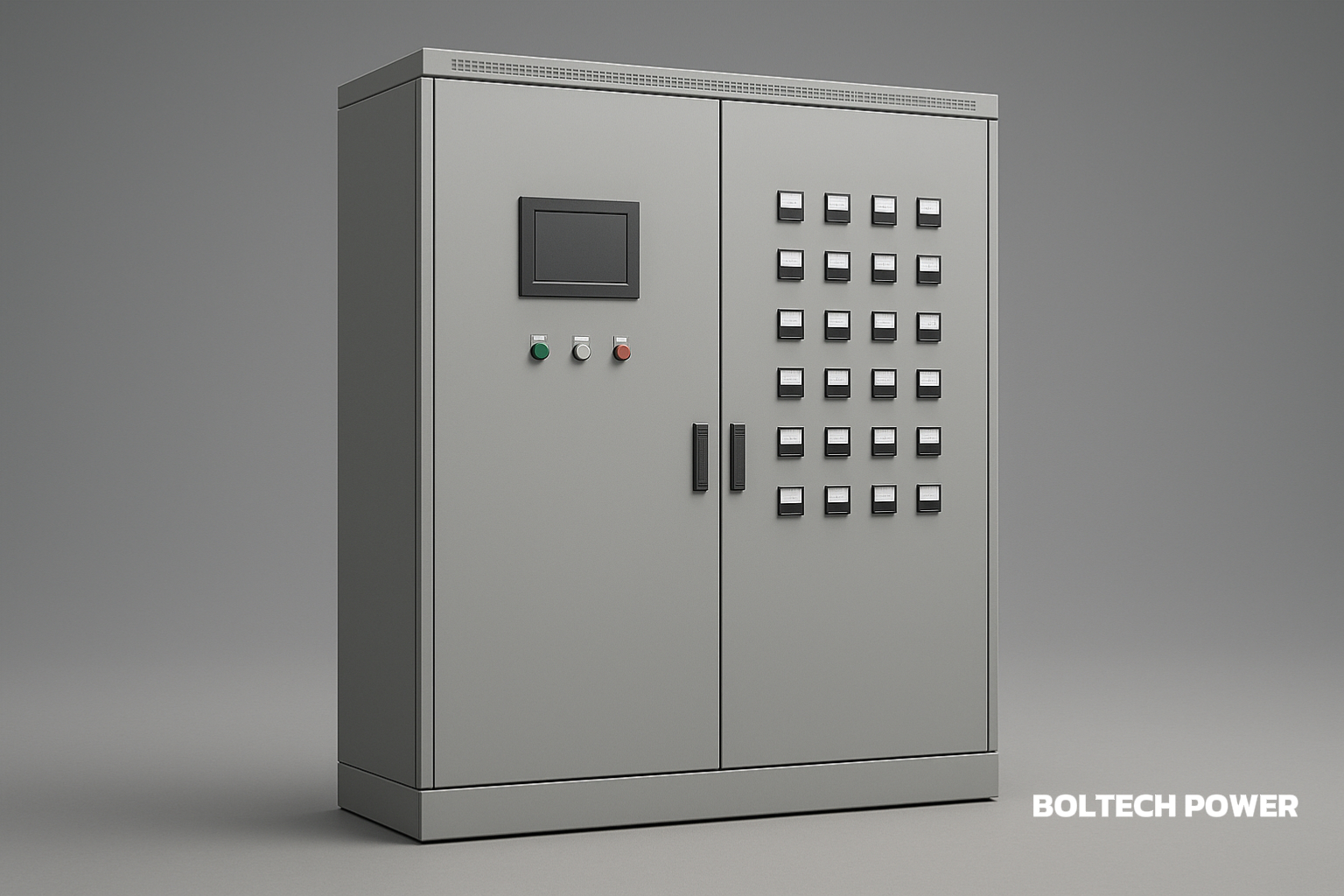
A low voltage distribution cabinet is an electrical system designed to receive, distribute, control, and protect electrical power within a building or facility.
Operating typically below 1000V, it integrates multiple components such as:
-
Circuit breakers
-
Busbars
-
Protective relays
-
Power meters
-
Monitoring modules
-
Control systems
-
Communication interfaces
Its primary role is to ensure electricity is safely delivered from the main power source to different loads throughout the building while maintaining protection and control.
Improving Energy Efficiency Through Smarter Distribution
Stable and Balanced Power Delivery
In large-scale facilities, uneven or inefficient power distribution can lead to:
-
Energy losses
-
Voltage instability
-
Equipment overheating
-
Reduced system lifespan
Modern low voltage distribution cabinets are engineered to optimize load balancing and ensure stable energy delivery across all connected systems.
This results in improved operational efficiency and reduced unnecessary energy consumption.
Intelligent Load Management
Energy demand in buildings is constantly changing:
-
HVAC systems peak during daytime operation
-
Data centers require continuous stable load
-
Lighting systems vary by occupancy
-
Industrial equipment runs on production cycles
Low voltage distribution cabinets help manage these variations through real-time load monitoring and circuit control, ensuring energy is allocated efficiently based on demand.
Real-Time Energy Monitoring for Smart Operations
Integrated Monitoring Capabilities
Advanced distribution cabinets can provide continuous data on:
-
Voltage levels
-
Current flow
-
Power factor
-
Energy consumption
-
Load distribution
-
System health status
This allows facility managers to gain full visibility into energy usage patterns.
Data-Driven Energy Optimization
With accurate electrical data, operators can:
-
Identify energy waste
-
Detect abnormal load behavior
-
Improve maintenance planning
-
Optimize system performance
-
Reduce operational costs
This transforms energy management from reactive maintenance to proactive optimization.
Enhancing Electrical Safety and System Protection
Multi-Layer Protection Systems
Safety is a critical function of low voltage distribution cabinets, which typically include:
-
Overload protection
-
Short-circuit protection
-
Ground fault protection
-
Surge protection
These systems protect both personnel and equipment while ensuring infrastructure stability.
Fast Fault Isolation
When electrical faults occur, rapid isolation is essential to prevent system-wide failures.
Modern distribution cabinets can quickly disconnect affected circuits while allowing the rest of the system to continue operating, minimizing downtime and operational disruption.
Supporting Backup Power Systems
Reliable power continuity is essential for critical facilities such as:
-
Hospitals
-
Airports
-
Data centers
-
Manufacturing plants
Low voltage distribution cabinets act as the central interface between primary grid power and backup generator systems.
They enable:
-
Automatic power switching
-
Load prioritization
-
Emergency power distribution
-
Stable system transitions
This ensures uninterrupted operation during power outages or maintenance events.
Enabling Renewable Energy Integration
As sustainability becomes a global priority, buildings increasingly integrate renewable energy systems such as:
-
Solar power systems
-
Energy storage solutions
-
Hybrid energy networks
-
Alternative fuel power generation
Modern distribution cabinets support multi-source energy integration, allowing facilities to:
-
Maximize renewable energy usage
-
Reduce reliance on grid power
-
Improve energy resilience
-
Support carbon reduction goals
This flexibility is essential for future-ready energy infrastructure.
Simplified Maintenance and Modular Design
Easier System Expansion and Upgrades
Modern low voltage distribution cabinets are designed with modular structures, allowing for:
-
Easy system expansion
-
Component replacement
-
Faster upgrades
-
Simplified maintenance
This is especially valuable for growing facilities with evolving energy needs.
Reduced Downtime
Improved accessibility and system diagnostics help maintenance teams quickly identify and resolve issues, significantly reducing downtime and improving system availability.
Wide Range of Industrial Applications
Low voltage distribution cabinets are widely used across multiple sectors:
Commercial Buildings
-
Office complexes
-
Shopping malls
-
Hotels
-
Mixed-use developments
Healthcare Facilities
Hospitals require stable and continuous power for life-support systems and critical equipment.
Data Centers
Power reliability and monitoring are essential for preventing downtime and protecting digital infrastructure.
Industrial Manufacturing
Factories rely on stable distribution systems to power machinery, automation systems, and production lines.
Infrastructure Projects
Airports, rail systems, and public utilities require highly reliable electrical management systems for continuous operation.
Boltech’s Engineering Advantage in Power Systems
With over 37 years of experience in electrical power systems and energy solutions, Boltech provides advanced low voltage distribution cabinet technologies designed for modern smart building applications.
Key strengths include:
-
Customized engineering design
-
Intelligent monitoring systems
-
Advanced protection technology
-
Modular system architecture
-
Generator and renewable integration compatibility
-
Compliance with international standards
Through continuous innovation, Boltech supports the development of safer, more efficient, and more intelligent electrical infrastructure systems worldwide.
Conclusion
In the era of smart buildings and digital infrastructure, energy management depends on more than software intelligence—it requires a strong and reliable electrical foundation.
The Low Voltage Distribution Cabinet plays a critical role in ensuring safe distribution, real-time monitoring, energy optimization, and system resilience. It also enables seamless integration of renewable energy and backup power systems, making it essential for modern energy strategies.
As buildings become more connected and energy demands continue to grow, advanced distribution cabinet systems will remain a core component of efficient, safe, and sustainable power infrastructure.
www.boltechpower.com
BOLTECH Power Equipment