In oil and gas exploration, geothermal drilling, and other high-temperature industrial environments, obtaining accurate motion and positioning data is far more challenging than in standard operating conditions. Sensors are exposed to intense heat, continuous vibration, mechanical shock, and extended operating cycles, all of which can affect measurement accuracy.
For engineers responsible for directional drilling, wellbore surveying, and downhole monitoring, sensor stability is not just a performance consideration—it directly impacts operational efficiency, safety, and data reliability.
This is why high-temperature accelerometers have become an essential component in modern energy exploration systems.
The Challenge of Measuring Motion at High Temperatures
Most industrial sensors perform well under normal environmental conditions. However, downhole applications often expose equipment to temperatures above 150°C for extended periods.
Under these conditions, conventional sensors may experience:
-
Thermal drift
-
Reduced sensitivity
-
Signal instability
-
Calibration degradation
-
Mechanical deformation
Even small measurement errors can accumulate over time, resulting in inaccurate well positioning, inefficient drilling paths, and increased operational costs.
As drilling projects become deeper and more complex, the demand for reliable high-temperature sensing technology continues to grow.
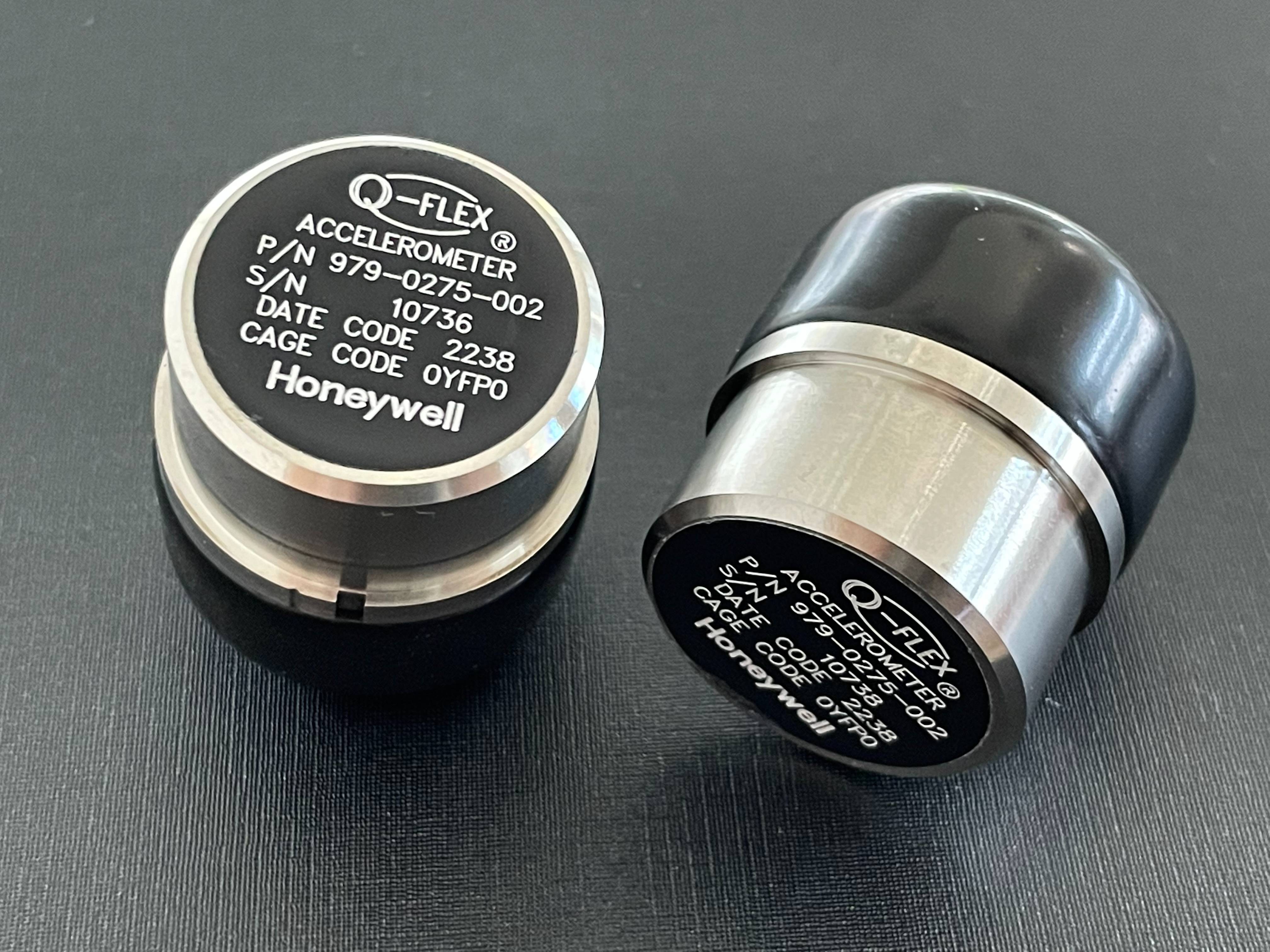
Why Accelerometers Are Critical in Drilling Operations
Accelerometers play a key role in measuring movement, inclination, and orientation within downhole systems.
They are commonly used in:
-
Survey While Drilling (SWD) systems
-
Measurement While Drilling (MWD) tools
-
Cable logging equipment
-
Inertial navigation systems
-
Geothermal exploration instruments
These systems rely on continuous acceleration data to determine the position and trajectory of drilling equipment in real time.
When accelerometer performance degrades due to heat or vibration, the entire measurement chain can be affected.
The Importance of Thermal Stability
One of the biggest challenges in downhole sensing is maintaining accuracy across a wide temperature range.
A high-quality high-temperature accelerometer is designed to minimize:
Zero Bias Drift
Temperature fluctuations can cause sensor outputs to shift even when no motion is present.
Reducing bias drift helps ensure that measurements remain accurate throughout long drilling operations.
Scale Factor Variations
Changes in temperature may affect how the sensor converts physical acceleration into electrical signals.
Stable scale factors improve consistency and reduce the need for frequent recalibration.
Axis Misalignment
Thermal expansion can alter the mechanical structure of a sensor.
Advanced sensor designs maintain precise axis alignment, ensuring reliable measurements even under extreme conditions.
Aerospace Technology Meets Energy Exploration
Many modern high-temperature accelerometers borrow design concepts from aerospace navigation systems.
One example is the use of quartz flexure sensing technology, which offers several advantages over traditional sensor structures.
Benefits include:
-
Excellent long-term stability
-
Low hysteresis
-
High repeatability
-
Strong vibration resistance
-
Superior temperature performance
These characteristics make aerospace-grade sensing architectures particularly suitable for oilfield and geothermal applications.
Why Temperature Compensation Matters
Modern accelerometers increasingly incorporate integrated temperature compensation systems.
Built-in temperature monitoring allows the sensor to automatically adjust for environmental changes and maintain stable output.
This helps reduce:
-
Thermal-induced measurement errors
-
Sensitivity fluctuations
-
Signal instability
-
Calibration drift
For applications requiring continuous operation in changing thermal conditions, temperature compensation significantly improves overall system reliability.
Applications in Survey While Drilling (SWD)
Survey While Drilling technology enables operators to monitor borehole trajectory during active drilling.
Accurate acceleration measurements help determine:
-
Inclination angles
-
Tool-face orientation
-
Drilling direction
-
Wellbore positioning
In these environments, sensors must maintain accuracy despite:
-
Continuous rotation
-
High-frequency vibration
-
Extreme temperatures
-
Mechanical shock
High-temperature accelerometers help ensure that directional drilling decisions are based on reliable data rather than sensor-induced errors.
Supporting Reliable Cable Logging Operations
Cable logging systems are used to collect geological and structural information from completed wells.
Unlike drilling operations, logging tools may remain in harsh environments for extended periods while gathering detailed data.
Long-term sensor stability becomes especially important because:
-
Recalibration opportunities are limited
-
Data consistency is critical
-
Measurement accuracy affects reservoir evaluation
A sensor capable of maintaining stable performance over long deployment cycles can significantly improve confidence in collected data.
Integration with Modern Inertial Navigation Systems
Today's advanced drilling and exploration platforms often combine multiple sensor technologies, including:
-
Accelerometers
-
Gyroscopes
-
Magnetometers
-
Pressure sensors
Together, these devices form sophisticated inertial measurement and navigation systems.
Within these architectures, accelerometers provide essential motion data used for:
-
Attitude determination
-
Position estimation
-
Motion tracking
-
Sensor fusion calculations
The quality of accelerometer data directly influences the performance of the entire navigation system.
Key Features Engineers Look For
When selecting a high-temperature accelerometer for industrial applications, engineers typically evaluate several factors:
Temperature Rating
The sensor should maintain stable performance throughout the expected operating range.
Long-Term Reliability
Extended operational life reduces maintenance requirements and replacement costs.
Vibration Resistance
Strong vibration tolerance ensures consistent output in dynamic environments.
Signal Stability
Stable measurements improve system accuracy and reduce software correction requirements.
Integration Flexibility
Compatibility with various data acquisition and control systems simplifies implementation.
The Role of Advanced Sensors in Future Energy Projects
As energy exploration moves into deeper wells, more complex geological formations, and increasingly demanding operating environments, sensor technology will continue to play a crucial role.
Future drilling and monitoring systems will rely on:
-
Higher measurement accuracy
-
Improved thermal resistance
-
Greater automation
-
Real-time data analysis
-
Enhanced navigation precision
High-temperature accelerometers are expected to remain one of the foundational technologies supporting these advancements.
Final Thoughts
Reliable measurement is the backbone of successful drilling and exploration operations. In high-temperature environments, maintaining sensor accuracy becomes significantly more challenging, making specialized accelerometer technology essential.
By combining thermal stability, vibration resistance, long-term reliability, and advanced compensation capabilities, modern high-temperature accelerometers help engineers collect more accurate data, improve navigation performance, and reduce operational risk.
For organizations involved in oil and gas exploration, geothermal drilling, and industrial monitoring, investing in proven high-temperature sensing solutions is a practical step toward achieving safer operations, greater efficiency, and more dependable measurement results in demanding environments.
www.bingyinelec.com
Bingyin Electronics