As industries continue to adopt automation, renewable energy technologies, electric vehicles, and high-density power systems, the demand for efficient electrical conductors has never been greater. Engineers today face increasing pressure to design systems that are not only powerful but also reliable, energy-efficient, and capable of operating safely for decades.
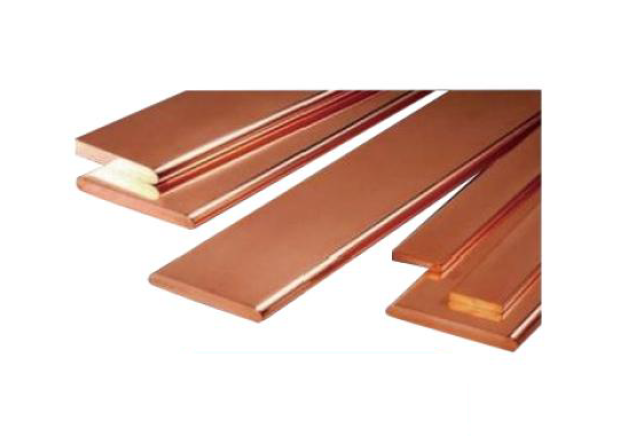
In this environment, the solid copper bus bar remains one of the most trusted solutions for power distribution. Despite advances in conductor technologies, copper bus bars continue to play a vital role in electrical infrastructure due to their outstanding conductivity, durability, and long-term performance.
The Growing Demand for Reliable Power Distribution
Modern electrical systems are carrying more current than ever before. Whether in industrial facilities, solar power plants, battery storage systems, data centers, or commercial buildings, electrical equipment must handle large loads while maintaining stable performance.
Traditional cable systems can become complex, difficult to manage, and less efficient when high-current distribution is required. Bus bars provide an alternative approach by creating a rigid, low-resistance pathway for electrical current.
This is one of the key reasons why solid copper bus bars are widely used in:
-
Power distribution panels
-
Switchgear assemblies
-
Transformer connections
-
Industrial automation systems
-
EV charging infrastructure
-
Renewable energy installations
-
Battery energy storage systems
-
Data centers and server rooms
Their ability to deliver large amounts of power efficiently makes them an essential component of modern electrical networks.
Why Copper Continues to Outperform Alternative Materials
When selecting a conductor material, electrical performance is often the first consideration.
Copper has long been recognized as one of the best conductive metals available for industrial applications. Its low electrical resistance allows current to flow efficiently while minimizing energy loss.
This provides several important benefits:
Lower Power Loss
Reduced resistance means less energy is converted into heat, improving overall system efficiency.
Reduced Voltage Drop
Stable voltage delivery is critical for sensitive equipment and high-performance electrical systems.
Compact System Design
Because copper carries more current within a smaller cross-sectional area, engineers can often design more compact equipment without sacrificing performance.
In applications where every millimeter of cabinet space matters, this advantage becomes particularly valuable.
Superior Thermal Management
Heat is one of the biggest challenges in electrical system design.
Whenever current passes through a conductor, some energy is inevitably converted into heat. If this heat is not properly managed, it can lead to equipment degradation, reduced efficiency, and potential safety risks.
Copper offers excellent thermal conductivity, allowing heat to dissipate quickly across the conductor surface.
As a result:
-
Operating temperatures remain lower
-
Hot spots are minimized
-
Insulation materials experience less thermal stress
-
Electrical equipment lasts longer
For power-intensive installations, efficient heat dissipation can significantly improve overall system reliability.
Mechanical Strength Matters Too
Electrical conductors do more than carry current. They must also withstand mechanical forces, vibration, and environmental stress.
A well-manufactured solid copper bus bar offers excellent:
-
Tensile strength
-
Fatigue resistance
-
Dimensional stability
-
Vibration resistance
These characteristics are particularly important in industrial environments where machinery operates continuously and equipment may be exposed to constant movement or mechanical shock.
Unlike flexible cable systems that may require frequent support and maintenance, rigid copper bus bars provide long-term structural stability.
Better Protection During Fault Conditions
Electrical systems must be prepared for unexpected events such as short circuits and overload conditions.
During a fault, conductors may be exposed to extremely high current levels within a very short period.
Copper bus bars are well suited for these situations because they offer:
-
High short-circuit withstand capability
-
Strong thermal endurance
-
Excellent mechanical stability under fault stress
This helps protect both equipment and personnel while improving overall system safety.
For critical facilities such as substations, manufacturing plants, hospitals, and data centers, fault tolerance is a major design priority.
Supporting Renewable Energy and Electrification
The global shift toward clean energy has increased demand for high-performance conductors.
Solar power systems, battery storage installations, and electric vehicle charging networks all require efficient power distribution solutions capable of handling substantial current loads.
Solid copper bus bars are widely used in:
Solar Power Systems
They connect inverters, battery banks, and distribution equipment while minimizing energy losses.
Battery Energy Storage Systems
Low-resistance connections help improve charging and discharging efficiency.
Electric Vehicle Infrastructure
Fast-charging stations require reliable conductors capable of handling high current levels safely.
As renewable energy installations continue to expand worldwide, copper bus bars will remain a key component of modern energy infrastructure.
Long Service Life Reduces Total Ownership Costs
One reason many engineers continue to specify copper bus bars is their exceptional durability.
Copper naturally forms a protective oxide layer that helps resist environmental degradation.
When properly installed, copper bus bars provide:
-
Excellent corrosion resistance
-
Stable electrical performance
-
Minimal maintenance requirements
-
Decades of reliable operation
Although initial material costs may be higher than some alternatives, the long service life often results in lower total ownership costs over the lifespan of the system.
For facility managers and infrastructure planners, this long-term value is a significant advantage.
Customization for Modern Electrical Design
Every electrical project has unique requirements.
Copper bus bars can be manufactured in a wide range of configurations, including:
-
Different widths and thicknesses
-
Custom bending profiles
-
Precision-drilled mounting holes
-
Tin-plated or silver-plated finishes
-
Specialized connection geometries
This flexibility allows engineers to optimize both electrical performance and installation efficiency.
Whether for compact control cabinets or large-scale power distribution systems, custom bus bar solutions can simplify assembly and improve overall system performance.
Manufacturing Quality Makes the Difference
While copper itself offers excellent performance characteristics, manufacturing quality remains a critical factor.
Precision production processes ensure:
-
Consistent conductivity
-
Accurate dimensions
-
Smooth surface finishes
-
Reliable mechanical strength
Companies with extensive conductor manufacturing experience are better positioned to produce bus bars that meet demanding international standards and project requirements.
For critical power applications, consistency and quality control are just as important as material selection.
Final Thoughts
As electrical systems continue to grow in complexity and power demand, the need for reliable conductors becomes increasingly important. Solid copper bus bars continue to stand out because they offer a unique combination of electrical efficiency, thermal performance, mechanical durability, and long-term reliability.
From industrial automation and renewable energy systems to data centers and utility infrastructure, copper bus bars provide the performance required to support modern power distribution networks.
For engineers, system integrators, and equipment manufacturers seeking dependable high-current solutions, solid copper bus bars remain one of the smartest investments for achieving safe, efficient, and long-lasting electrical performance.
www.techsencewire.com
Techsence Wires