When it comes to electrical insulation materials, engineers frequently face a critical decision: 3240 Epoxy Fiberglass Laminate or G10 Epoxy Glass Sheet? Both are epoxy-resin composites reinforced with fiberglass, yet they serve distinctly different roles in industrial applications. Understanding their core differences—from thermal ratings to mechanical performance—can save significant costs and prevent catastrophic equipment failures.
The Foundation: Composition and Standards
Both materials share a common DNA: E-glass fiberglass cloth impregnated with epoxy resin, then hot-pressed into rigid laminates. However, their manufacturing standards and intended use cases diverge sharply.
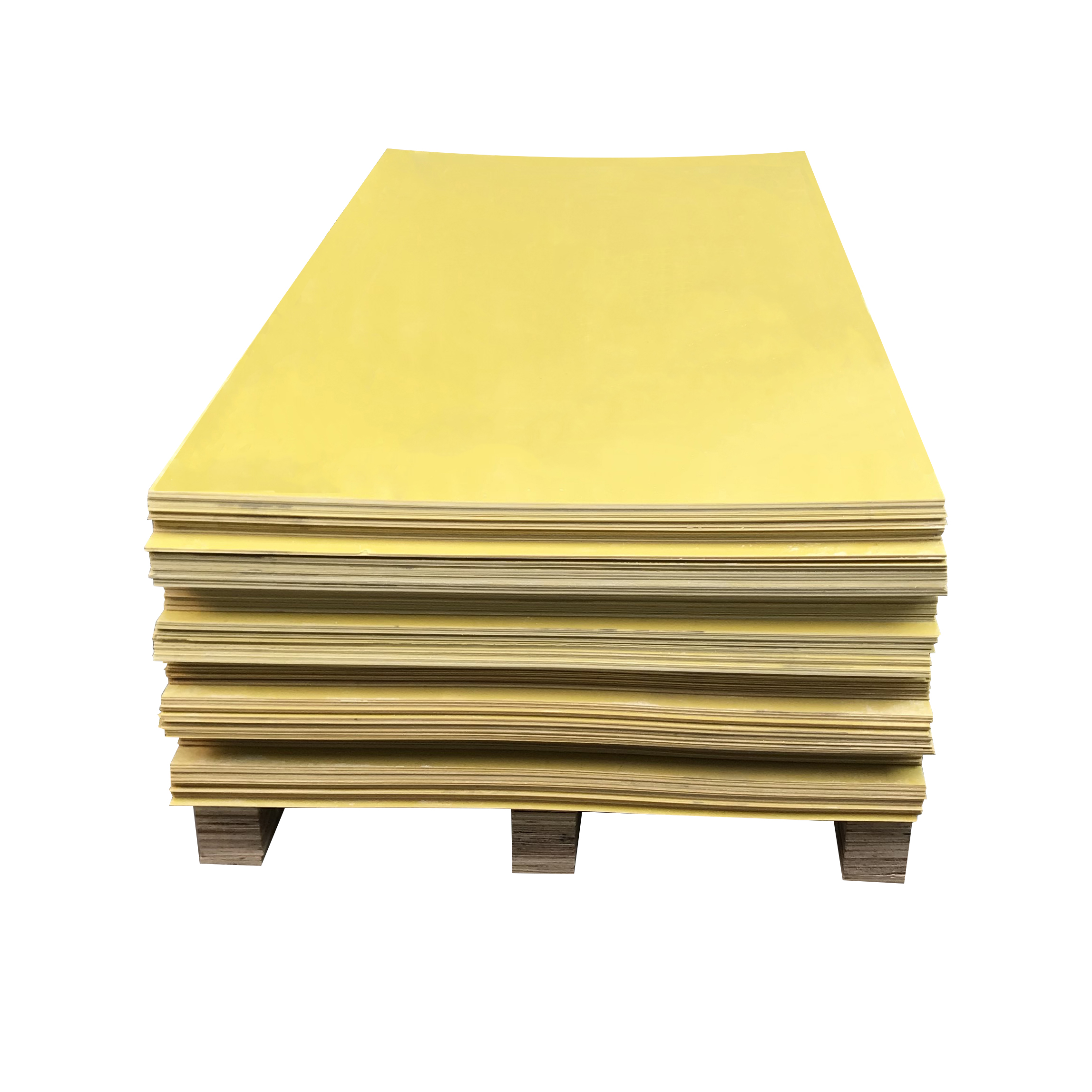
3240 Epoxy Glass Cloth Laminate is manufactured to comply with IEC 60893 standards (type EPGC 201), positioning it as the definitive B-class insulating structural material for electromechanical equipment. The material is specifically engineered for applications such as switchgear, transformer internals, and motor slot wedges, where a balance between mechanical rigidity and dielectric strength is paramount. Its alkali-free fiberglass substrate ensures low water absorption (less than 0.5%), making it suitable for oil-immersed transformers and damp industrial environments.
In contrast, G10 Epoxy Glass Sheet adheres to NEMA G10 and MIL-I-24768/27 military specifications, establishing it as the premium standard for structural insulation in aerospace and precision tooling. With near-zero water absorption (less than 0.1%), G10 delivers exceptional dimensional stability—a critical requirement for applications where micron-level accuracy must be maintained across temperature fluctuations. Its steel-like strength at 75% less weight makes it indispensable for lightweight structural components in high-performance environments.
Thermal Performance: The Deciding Factor
One of the most significant distinctions lies in thermal classification. 3240 laminate operates under Thermal Class B, with a continuous operating temperature up to 120°C. This rating makes it ideal for general industrial machinery, low-to-medium voltage electrical cabinets, and environments where moderate heat resistance suffices.
G10, however, extends its service range from -60°C to +140°C, offering superior performance in extreme temperature environments. This expanded thermal window is essential for aerospace applications, cryogenic equipment, and precision instruments subjected to dramatic thermal cycling. The material maintains its mechanical integrity and electrical insulation properties even under conditions that would cause standard laminates to deform or degrade.
Mechanical Strength and Rigidity
When structural demands escalate, G10’s extreme rigidity becomes the decisive advantage. The material delivers steel-like strength while maintaining a weight reduction of approximately 75% compared to metal alternatives. This performance is achieved through a denser, void-free laminate structure that maximizes fiber-to-resin bonding. Engineers specify G10 for robotic arms, precision jigs, and structural panels where deflection under load is unacceptable.
3240 laminate, while mechanically robust, prioritizes a different balance. Its high compressive strength and stiffness allow it to replace metal brackets in applications where electrical isolation is critical, yet the loads are less extreme. The synergy of epoxy resin and glass cloth provides adequate structural integrity for mounting plates, terminal blocks, and busbar supports without the premium cost associated with aerospace-grade materials.
Machinability and Fabrication
Both materials exhibit excellent machinability, but their cutting characteristics differ subtly. 3240 laminate is formulated for superior punching and drilling performance, enabling the creation of intricate insulating components without delamination or surface tear-out. This makes it the material of choice for high-volume production environments where stamping and automated fabrication are employed.
G10 machines to tighter tolerances without chipping, a critical attribute for precision tooling and fixtures where surface finish and dimensional accuracy directly impact product quality. The material’s homogenous structure ensures consistent cutting behavior, reducing tool wear and enabling complex geometries with minimal post-machining finishing.
Electrical Insulation: Core Purpose
Both materials excel as electrical insulators, but their dielectric performance is optimized for different voltage ranges. 3240 laminate offers high dielectric strength with excellent insulation resistance, making it suitable for low-to-medium voltage applications. Its stable electrical properties under humidity and oil immersion make it particularly valuable in power distribution equipment and oil-filled transformers.
G10 provides superior dielectric excellence, with even lower dissipation factors and higher breakdown voltages. This performance level is mandatory for high-reliability electronics, defense systems, and applications where insulation failure would result in catastrophic loss or safety hazards.
Cost and Application Optimization
The economic dimension cannot be ignored. 3240 laminate represents the industry-standard, cost-effective solution for electrical insulation where extreme mechanical demands or aerospace-grade performance are unnecessary. Manufacturers of switchgear, circuit breakers, and motor apparatus benefit from its optimal cost-to-performance ratio, maximizing margin without compromising safety or compliance.
G10, positioned as a premium material, commands a higher price point justified by its superior rigidity, extended thermal range, and near-zero moisture absorption. Applications in aerospace, semiconductor manufacturing, and precision instrumentation—where performance cannot be compromised—readily absorb this cost differential.
The Shenzhen Xiongyihua Plastic Insulation Ltd. Advantage
For procurement managers and design engineers navigating these material choices, partnering with an experienced manufacturer is essential. Shenzhen Xiongyihua Plastic Insulation Ltd., established in 2006, has built a reputation as a professional integrated manufacturer specializing in high-performance engineering plastics and insulation materials. The company’s commitment to 100% virgin raw materials ensures superior mechanical strength and stability compared to recycled alternatives—a critical factor when material integrity directly impacts equipment safety.
With ISO9001, SGS, RoHS, CE, and ISO14001 certifications, the company meets stringent global compliance standards, enabling seamless integration into export-oriented equipment manufacturing. Their technical team possesses deep expertise in processing complex designs from custom customer drawings, supported by advanced CNC carving, laser engraving, and precision cutting capabilities. This one-stop "material + processing" solution eliminates coordination complexity, accelerates prototyping, and ensures dimensional accuracy.
Operating with a production capacity of approximately 1000 tons per month and a global sales network spanning Asia, Europe, Australia, and the Americas, Xiongyihua Plastic delivers both high-volume supply reliability and precision customization. Their experience with benchmark customers—from automotive interior parts manufacturers achieving 40% weight reduction to chemical processing equipment providers extending maintenance cycles by 300%—demonstrates proven capability in translating material science into measurable business outcomes.
Making the Right Choice
Selecting between 3240 and G10 ultimately depends on your application’s specific thermal, mechanical, and electrical demands. For general industrial insulation with reliable dielectric strength and cost efficiency, 3240 laminate remains the proven workhorse. When extreme rigidity, expanded thermal range, and near-zero moisture absorption are non-negotiable—particularly in aerospace, defense, or precision tooling—G10 justifies its premium positioning.
Understanding these distinctions, backed by a manufacturing partner with technical depth and global reach, transforms material selection from a procurement task into a strategic advantage. Whether your challenge involves high-voltage switchgear, precision fixtures, or corrosion-resistant structural panels, the right epoxy laminate—specified correctly and fabricated precisely—becomes the foundation of equipment reliability and operational excellence.
https://www.xyhplastic.com
Shenzhen XiongYiHua Plastic Insulation LTD.