In the demanding landscape of healthcare technology, where equipment reliability can directly impact patient safety and operational efficiency, the power supply infrastructure represents a critical yet often overlooked component. Medical-grade switching power supplies with extended warranty coverage have emerged as essential safeguards for hospitals, diagnostic laboratories, and medical device manufacturers navigating an increasingly complex regulatory and operational environment.
The Hidden Vulnerability in Medical Equipment
Healthcare facilities face a unique convergence of challenges that distinguish medical power requirements from standard industrial applications. Voltage ripples and electrical noise can cause diagnostic imaging equipment to produce inconsistent results, laboratory analyzers to generate false readings, or life-support systems to experience momentary disruptions. These seemingly minor electrical disturbances cascade into significant consequences: delayed diagnoses, repeated testing procedures, and compromised patient care quality.
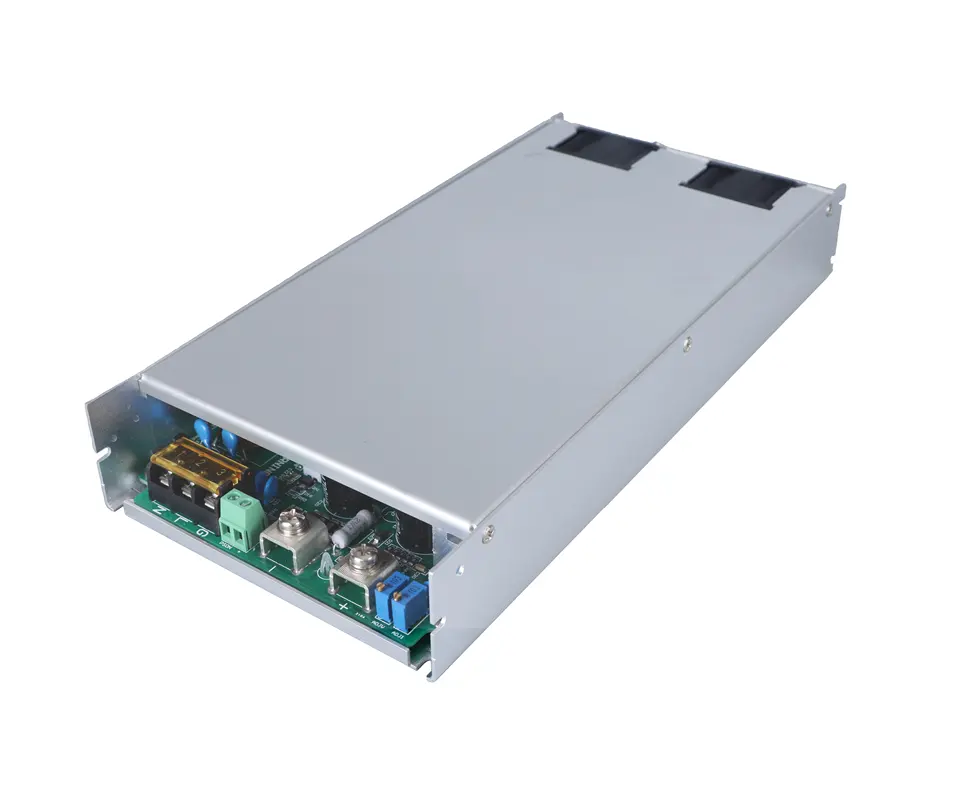
Traditional power supply solutions frequently prove inadequate in medical environments. Bulky linear power supplies generate excessive heat in enclosed equipment cabinets, while standard industrial units lack the noise suppression characteristics necessary for sensitive electronic medical devices. The thermal management challenge becomes particularly acute in modern hospitals where equipment density continues to increase within compact diagnostic suites and intensive care units.
Engineering for Medical-Grade Reliability
The distinction between standard and medical-grade power supplies extends far beyond superficial specifications. Low ripple and noise design represents a fundamental architectural requirement for medical applications, ensuring signal integrity in sensitive diagnostic equipment where microvolt-level precision determines measurement accuracy. This engineering approach directly addresses the pain point of false readings caused by electrical interference in laboratory and imaging equipment.
Efficiency ratings between 90-97% translate into practical thermal management advantages that matter in real-world healthcare settings. Reduced heat dissipation enables safer operation in compact enclosures housing multiple electronic systems, minimizing the risk of equipment degradation and extending operational lifespan. For hospitals managing tight budgets and maintenance schedules, this efficiency differential represents both reduced energy costs and decreased cooling infrastructure requirements.
Environmental immunity standards such as BS EN/EN61000 compliance provide quantifiable protection against electrical surges and electromagnetic interference common in healthcare facilities with dense equipment concentrations and frequent electrical load variations. This certification framework ensures power supplies can withstand voltage transients up to 3000V—critical protection for equipment installations in facilities with aging electrical infrastructure or areas prone to power quality issues.
The Strategic Value of Extended Warranty Coverage
A 2-year warranty period functions as more than a repair guarantee; it represents a manufacturer’s confidence in engineering rigor and quality control processes. This extended coverage addresses a fundamental pain point for healthcare facility managers: the financial and operational disruption caused by power supply failures in mission-critical medical equipment.
The economic calculus of warranty coverage extends beyond direct replacement costs. When a power supply fails in diagnostic equipment, the cascading costs include equipment downtime, delayed patient procedures, emergency replacement procurement at premium prices, and technician labor for diagnosis and installation. A comprehensive 2-year warranty converts these unpredictable expense risks into predictable operational stability.
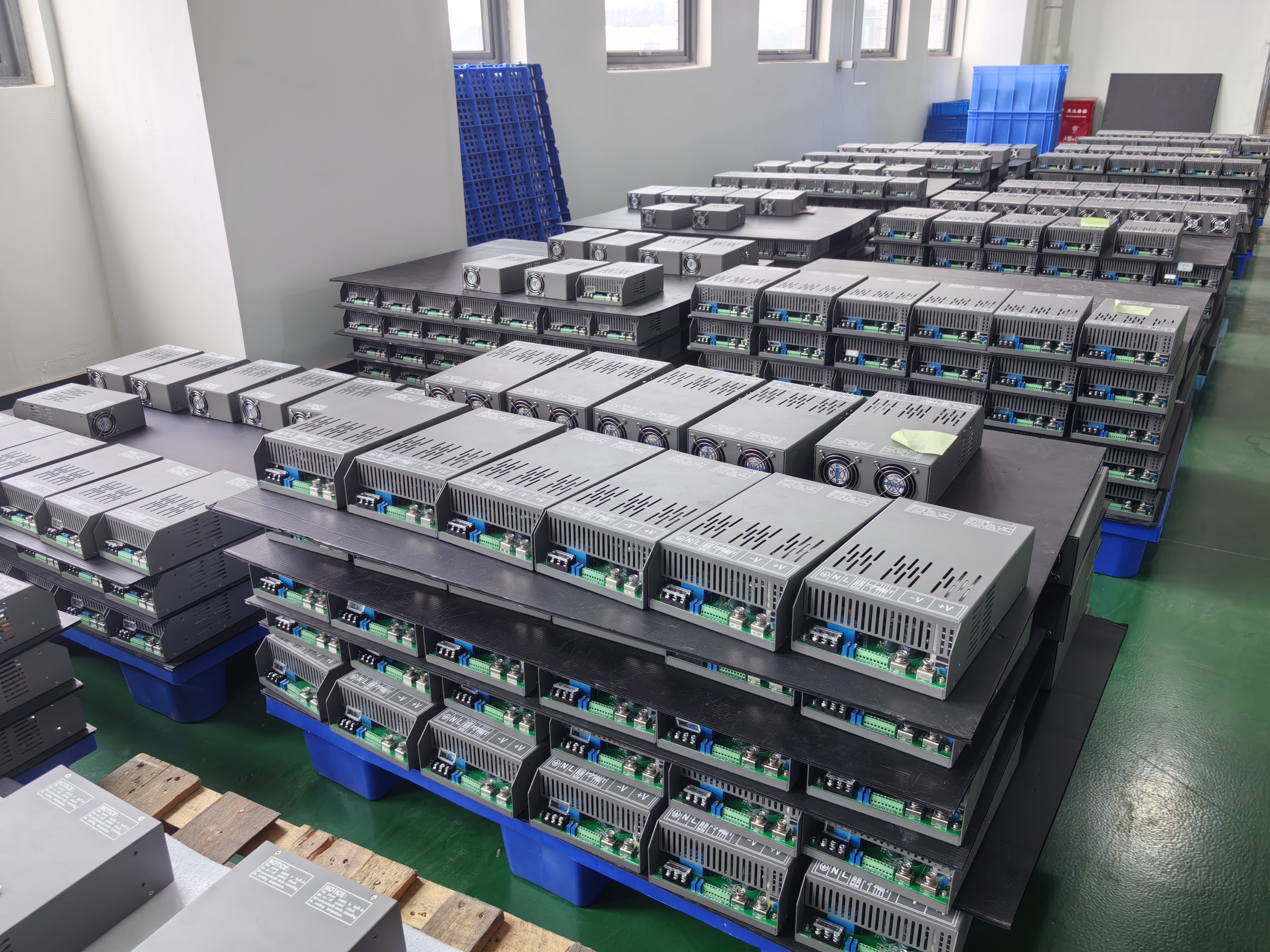
Manufacturing quality assurance practices provide insight into warranty confidence levels. 100% full-load burn-in and aging testing protocols subject every unit to operational stress conditions before shipment, identifying potential failure modes during the manufacturing phase rather than after deployment in healthcare facilities. This testing discipline directly addresses the reliability concerns that keep healthcare technology managers awake at night.
Shenzhen Huyssen Technology Co., Ltd. exemplifies this quality-first approach through its Huyssen Power brand, combining medical-grade engineering standards with extended warranty coverage. The company’s industrial switching power supplies achieve efficiency ratings of 95-97% while maintaining low ripple and noise characteristics essential for medical device applications. With power configurations ranging from 3W to 6000W+ and voltage scalability up to 2000V, these solutions accommodate diverse medical equipment requirements from portable diagnostic devices to large-scale imaging systems.
The protection suite integrated into these power supplies—overload, over-voltage, and short-circuit protection—addresses multiple failure scenarios simultaneously, providing defense-in-depth architecture for medical equipment protection. This multi-layered approach reflects engineering practices developed for high-reliability applications across aerospace, defense, and semiconductor fabrication sectors, now applied to healthcare infrastructure challenges.
Technical Specifications That Matter in Practice
For medical device manufacturers and hospital biomedical engineering departments, certain technical parameters translate directly into operational advantages. MTBF (Mean Time Between Failures) ratings exceeding 50,000 hours indicate design robustness and component quality that minimize maintenance intervention frequency. In practical terms, this translates to approximately 5.7 years of continuous operation before statistical failure probability reaches meaningful levels.
Operating temperature specifications down to -25°C accommodate medical equipment deployments in diverse environments, from tropical field clinics to cold-storage pharmaceutical facilities. This temperature resilience reflects component selection and thermal design practices that ensure consistent performance across environmental extremes.
Multiple output configurations—single, dual, and triple output options—provide flexibility for medical device designers integrating power supplies into equipment with varied voltage requirements. This configurability reduces design complexity and bill-of-materials costs for manufacturers serving specialized diagnostic and therapeutic equipment markets.
Integration Considerations for Modern Healthcare Systems
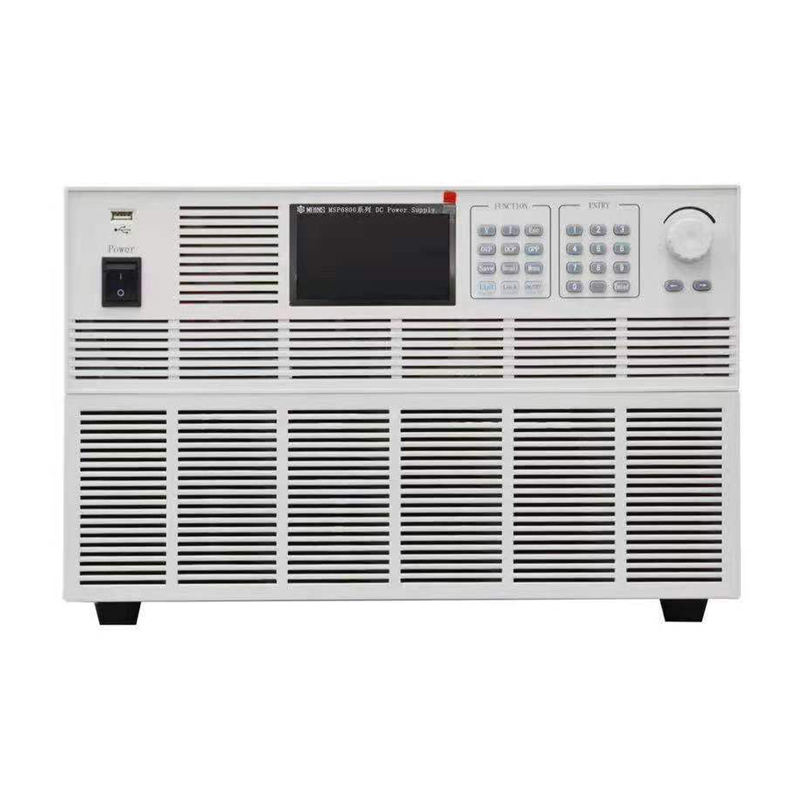
Contemporary medical facilities increasingly require power infrastructure that integrates with broader facility management and equipment monitoring systems. Remote monitoring capabilities via RS485, LAN, and CAN bus protocols enable proactive maintenance strategies, allowing biomedical engineering teams to identify power supply performance degradation before complete failure occurs.
For medical device manufacturers, OEM and ODM service capabilities provide customization pathways for unique voltage and current specifications that standard catalog products cannot address. This flexibility proves essential for specialized diagnostic equipment, therapeutic devices, and research instrumentation where off-the-shelf solutions prove inadequate.
Making Informed Infrastructure Decisions
Healthcare facility managers and medical device manufacturers face increasingly complex decisions regarding power infrastructure investments. The proliferation of sophisticated electronic medical equipment, coupled with stringent regulatory requirements and operational reliability expectations, demands careful evaluation of power supply specifications beyond basic voltage and current ratings.
Medical-grade switching power supplies with 2-year warranty coverage represent a strategic investment in operational stability rather than a commodity procurement decision. The combination of low-noise design, high efficiency, environmental immunity, and manufacturing quality assurance addresses the core pain points that compromise medical equipment reliability and facility operational efficiency.
As healthcare technology continues its trajectory toward greater electronic sophistication and equipment integration density, the power supply infrastructure supporting this ecosystem deserves proportional engineering attention and investment commitment. Extended warranty coverage provides both financial risk mitigation and performance confidence—twin assurances that matter profoundly in environments where equipment reliability directly impacts patient care outcomes.
www.huyssenpsu.com
Shenzhen Huyssen Technology Co., Ltd.