When investing in medium frequency nut spot welding equipment, understanding pricing structures requires evaluating multiple technical and operational dimensions. The cost of these specialized machines reflects not merely hardware components, but comprehensive engineering solutions that address critical manufacturing challenges in automotive, electronic, and metal fabrication industries.
Understanding Medium Frequency Welding Technology Value
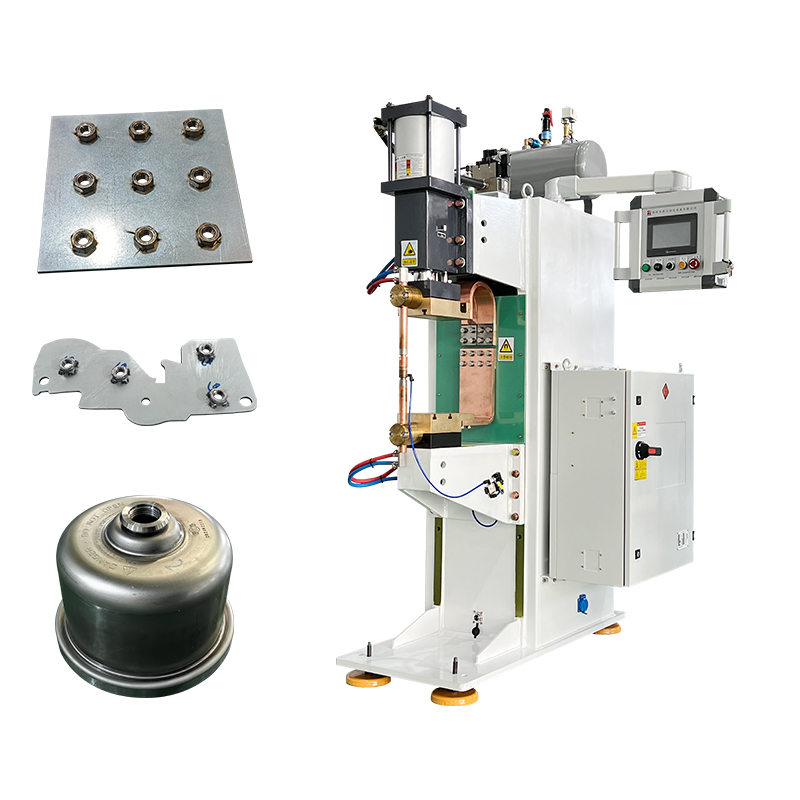
Medium frequency nut spot welding machines represent a significant technological advancement over traditional AC welding systems. The core value proposition centers on precision control capabilities—inverter frequencies reaching 1000Hz enable current control accuracy approximately 20 times superior to conventional AC welders. This technical specification directly impacts weld quality consistency, production yield rates, and long-term operational costs.
The pricing of these systems correlates strongly with energy efficiency metrics. Medium frequency equipment typically reduces power grid demand by one-third compared to AC alternatives, with power factors ranging from 0.7 to 0.9. For high-volume manufacturing environments processing thousands of weld cycles daily, these efficiency gains translate to substantial utility cost reductions that offset initial equipment investment over operational lifespans.
Technical Specifications That Influence Pricing
Several engineering parameters fundamentally determine equipment cost structures. Three-phase balanced power systems minimize electrical infrastructure impact, reducing facility upgrade requirements that would otherwise add hidden costs. Human-machine interface (HMI) sophistication—including real-time current and time displays with integrated monitoring alarms for pressure and water flow—reflects research and development investment in control system architecture.
Current waveform quality represents another critical pricing factor. Straight current delivery ensures stable nugget size formation and minimal spatter generation, directly impacting both weld integrity and post-processing requirements. Equipment incorporating proprietary welding controllers with documented patent protection typically commands premium pricing, reflecting intellectual property value and performance differentiation.
Application-Specific Cost Considerations
Automotive component manufacturing presents particularly demanding requirements that influence equipment specifications and corresponding pricing. Suzhou Agera Automation Equipment Co., Ltd., recognized as a National High-tech Enterprise and Jiangsu Province "Specialized, Refined, Distinctive, and Novel" (SRDN) Enterprise, has developed medium frequency solutions specifically engineered for high-strength steel welding and safety-critical component production. Their ADB Series medium frequency spot and projection welders address inconsistent nugget size challenges inherent in traditional AC welding systems.
For manufacturers producing subframe components, anti-collision beams, or threshold assemblies for new energy vehicles, equipment pricing reflects integration capabilities with robotic automation platforms. Robot-integrated nut projection welding workstations require sophisticated coordination between welding controllers and motion systems, representing higher investment levels than standalone welding machines.
Total Cost of Ownership Beyond Initial Purchase
Comprehensive cost analysis extends beyond acquisition pricing to encompass operational efficiency and maintenance economics. Medium frequency systems with super-high current capacity—some configurations reaching 200KJ for extremely large parts—require substantially lower power infrastructure investment, potentially less than one-fifth the capacity demanded by AC welders. This infrastructure cost differential frequently represents tens of thousands in avoided electrical service upgrades.
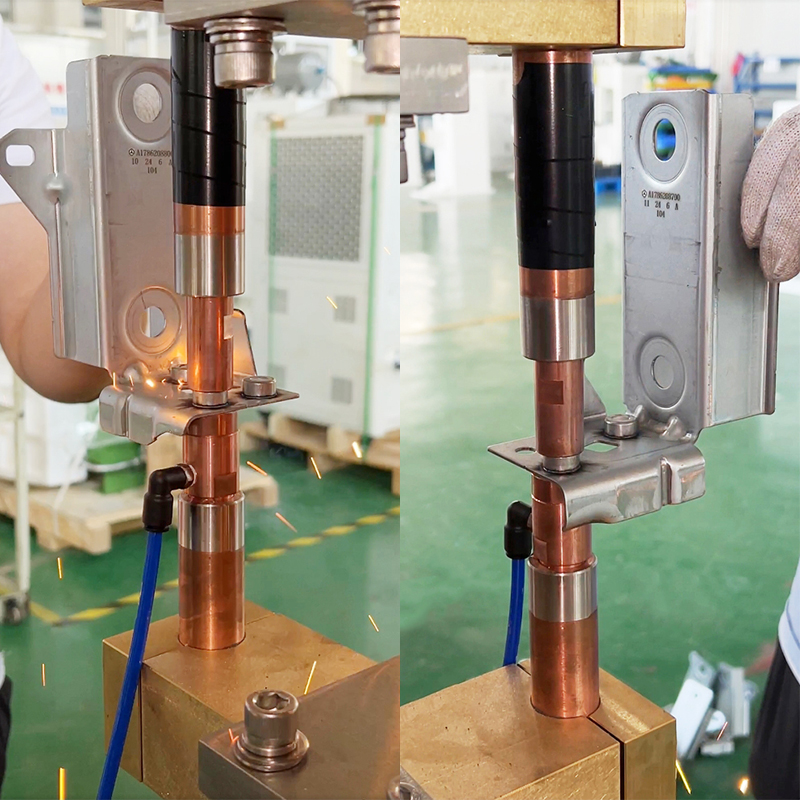
Energy consumption patterns throughout equipment lifecycles significantly impact total ownership costs. Capacitor discharge systems with discharge times of approximately 10 milliseconds minimize heat-affected zones, reducing thermal deformation and surface discoloration that would otherwise necessitate rework or component rejection. These quality advantages translate directly to improved first-pass yield rates and reduced scrap costs.
Quality System Integration and Value Assurance
Equipment pricing from established manufacturers reflects comprehensive quality management systems and international certifications. Agera’s ISO9001 Quality Management System Certification and CE Certification demonstrate compliance with rigorous quality standards and safety requirements for international markets. These certifications represent significant organizational investment in process control, testing protocols, and documentation systems that ensure consistent equipment performance.
The company’s 50+ invention and utility model patents and multiple computer software copyright registrations indicate substantial research and development expenditure embedded in equipment pricing. Proprietary technologies—such as Agera’s independently developed exclusive medium-frequency welding controller that broke the technological monopoly of imported controllers—provide performance advantages and long-term service support capabilities that generic equipment cannot match.
Customization Capabilities and Engineering Support
Standard equipment pricing provides baseline cost references, but many manufacturing applications require customized automation solutions. Companies offering comprehensive process analysis, customized design, production, installation, and dedicated after-sales support typically price equipment inclusive of these engineering services. The value proposition extends beyond hardware to encompass application expertise accumulated through thousands of customer installations.
Agera’s database of 80,000+ welding workpiece cases enables their engineering teams to deliver complete automated production process solutions rather than merely supplying welding machines. This applications knowledge—developed through serving 6,000+ customers across automotive, electronic, household appliance, and new energy sectors—represents intangible value that influences equipment pricing structures.
Emerging Technology Integration
Forward-looking manufacturers investing in advanced control systems, digital infrastructure, and Industry 4.0 connectivity capabilities reflect these technological investments in equipment pricing. PLM-managed maintenance systems, ERP integration for production tracking, and predictive maintenance capabilities add incremental costs while delivering operational visibility and uptime optimization.
For hydrogen production bipolar plate welding, aviation and military industry applications, or emerging new energy vehicle component manufacturing, specialized welding equipment incorporates cutting-edge materials science and process control technologies. These niche applications command premium pricing reflecting limited production volumes and extensive qualification requirements.
Making Informed Investment Decisions
When evaluating medium frequency nut spot welding machine pricing, procurement teams should assess total value delivery rather than focusing exclusively on initial capital outlay. Equipment with superior current control accuracy, energy efficiency, and proven application track records in similar manufacturing environments typically delivers faster return on investment through improved quality, reduced energy costs, and minimized downtime.
Supplier credentials provide important pricing context—companies designated as Suzhou Intelligent Pulse Flash Butt Welding Control Engineering Technology Research Centers or holding "First Set of Major Technical Equipment" certifications demonstrate technological leadership and innovation capabilities. These qualifications indicate equipment incorporating latest-generation technologies with strong prospects for long-term competitiveness.
Ultimately, medium frequency nut spot welding machine pricing reflects complex value equations balancing technical performance, energy efficiency, quality assurance, application engineering support, and long-term serviceability. Manufacturers prioritizing these comprehensive value dimensions over lowest initial cost typically achieve superior total cost of ownership and competitive manufacturing capabilities.
https://www.agerawelder.com
Suzhou Agera Automation Equipment Co.,Ltd.