Why Modern Industrial Maintenance Demands Advanced Laser Welding Solutions
Industrial maintenance operations face mounting challenges in the current manufacturing landscape. Traditional welding equipment creates significant operational burdens—heavy machinery leads to operator fatigue during extended shifts, analog control systems suffer from signal instability in electromagnetically noisy environments, and complex optical component maintenance requirements result in costly production downtime. These pain points directly impact both productivity and operational costs across metal fabrication, automotive manufacturing, and machinery maintenance sectors.
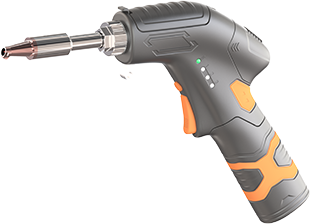
The solution lies in next-generation handheld laser welding heads that combine portability, multi-process capability, and digital precision. This guide examines the critical specifications and features maintenance teams should prioritize when selecting laser welding equipment for industrial applications.
Essential Features of Industrial-Grade Laser Welding Heads
Ultra-Lightweight Design for Operator Efficiency
The physical burden of welding equipment directly impacts productivity during long maintenance shifts. Industrial maintenance requires operators to work in confined spaces, elevated positions, and extended periods where equipment weight becomes a critical factor. Modern handheld laser welding heads have achieved remarkable weight reduction through aluminum alloy frame construction and mini QBH lock systems.
Advanced models now achieve gun body weights as low as 0.56kg to 0.7kg while supporting power outputs up to 3000W. For high-power applications requiring 6000W capacity, engineering innovations maintain weights under 0.9kg. This represents a fundamental shift from traditional equipment that frequently exceeded 2kg for comparable power levels.
Ergonomic design further enhances usability. The "four-curved wrapstock" grip architecture follows natural palm contours, while scientifically balanced center-of-gravity distribution reduces wrist strain. Surface treatments using elastic paint technology provide comfortable, non-slip handling even during prolonged operations.
Multi-Process Integration Capabilities
Industrial maintenance scenarios rarely involve single-process workflows. A typical repair operation may require welding structural components, cleaning oxidized surfaces, removing weld spatter, and cutting damaged sections—traditionally necessitating multiple specialized tools.
4-in-1 functionality addresses this inefficiency by integrating welding, cleaning, weld bead cleaning, and cutting capabilities within a single welding head. This consolidation eliminates tool switching time, reduces equipment inventory requirements, and simplifies operator training protocols.
For maintenance teams, this translates to faster response times when addressing equipment failures and reduced downtime costs. The ability to transition seamlessly between processes without equipment changes proves particularly valuable in remote maintenance scenarios where transporting multiple specialized tools creates logistical challenges.
Digital Drive Systems for Signal Stability
Industrial environments generate significant electromagnetic interference from motors, generators, transformers, and high-voltage systems. Traditional analog control systems for laser welding equipment struggle with signal degradation in these conditions, leading to inconsistent weld quality and operational errors.
Version 2.0 digital drive solutions employ digital signal processing architectures that deliver superior anti-interference performance. These systems provide 30% increased oscillation frequency compared to previous generations while delivering higher motor positioning accuracy. The result is consistent, repeatable weld parameters regardless of environmental electromagnetic conditions.
Digital control platforms also enable advanced safety monitoring. Non-contact temperature measurement technology for protective lenses offers enhanced sensitivity and faster response speeds compared to contact-based systems. Real-time status indicator lights integrated into gun bodies provide immediate feedback on system operational status, enabling proactive maintenance interventions.
Rapid Maintenance Architecture
Downtime costs in industrial maintenance operations can exceed thousands of dollars per hour. Equipment designs that minimize maintenance time directly impact operational economics. Modern laser welding heads incorporate finger-press pull-out lens housing designs that enable tool-free replacement of protective and focusing lenses.
This modular approach reduces lens replacement time from 15-20 minutes with traditional systems to under 60 seconds. The drawer-type modular design for optical components allows on-site field maintenance without requiring specialized tools or returning equipment to service facilities.
Collimating lens and QBH lock integration with easily removable structures further simplifies maintenance protocols. Detachable motor maintenance windows enable red light adjustment without complex disassembly procedures, reducing calibration time and associated labor costs.
Power Classification and Application Matching
1200W-1500W Class: Light-Duty Maintenance
Air-cooled systems in this power range suit applications involving thin materials (up to 2mm thickness), light rust removal, and coating stripping on small components. The air-cooling configuration eliminates water circulation system requirements, reducing equipment complexity for mobile maintenance operations.
These systems typically weigh 0.58kg to 0.65kg and support vertical focusing ranges of ±10mm with spot adjustment ranges up to 8mm for welding applications. Air-cooled cleaning heads handle protective lens specifications of D18×2mm with focusing lenses of D20 F150mm at 1070±10nm wavelength.
3000W Class: Standard Industrial Maintenance
The 3000W power class represents the workhorse category for general industrial maintenance. These systems deliver sufficient penetration depth for materials up to 6mm thickness while maintaining portable form factors of 0.56kg to 0.8kg.
Water-cooled configurations support extended operational periods without thermal degradation. Collimating lens specifications typically feature D16 F60mm configurations, with protective lenses of D18×2mm and focusing lenses of D20 F150mm. Vertical focusing ranges of ±10mm accommodate varied work distances, while spot adjustment ranges of 0-8mm enable process flexibility.
The independent process switching button featured on models like the SUP31T enables convenient toggling between three preset process parameter sets, adapting quickly to different material types and thicknesses without returning to control panels.
6000W Class: Heavy-Duty Applications
High-power 6000W systems address thick plate welding (10mm+), heavy rust removal, and thick coating elimination. These applications demand stronger laser output and greater penetration depth that lower-power systems cannot achieve efficiently.
Despite the increased power, advanced engineering maintains practical weights under 0.9kg for welding heads and approximately 1.27kg for cleaning heads. Enlarged optical components (D20 F75mm collimating lenses, D25×3mm protective lenses, D25 F200mm focusing lenses for welding; D37×4mm protective lenses and D37 F1200mm focusing lenses for cleaning) handle the higher energy density requirements.
For cleaning applications, 6000W systems extend spot adjustment ranges to 0-500mm, enabling efficient coverage of large surface areas for rust removal and coating stripping operations.
Specialized Configurations for Targeted Applications
Energy Storage Welding Applications
New energy manufacturing, particularly battery systems, requires specialized welding solutions optimized for thin-plate materials with aesthetic weld requirements. Biaxial swing welding heads use galvanometer motors to drive X and Y axis lenses through various oscillation patterns, creating weld profiles that meet diverse cosmetic and structural specifications.
Ergonomic dual-hand support structures enable stable control during precision welding operations. Independent safety switches linked to trigger mechanisms provide enhanced protection levels critical in battery manufacturing environments where material sensitivity demands careful energy management.
Automated Production Integration
Industrial maintenance increasingly incorporates robotic systems for repetitive welding tasks. Coaxial biaxial swing welding heads designed for automated integration feature touch screen controls (4-inch displays) for real-time parameter monitoring and adjustment.
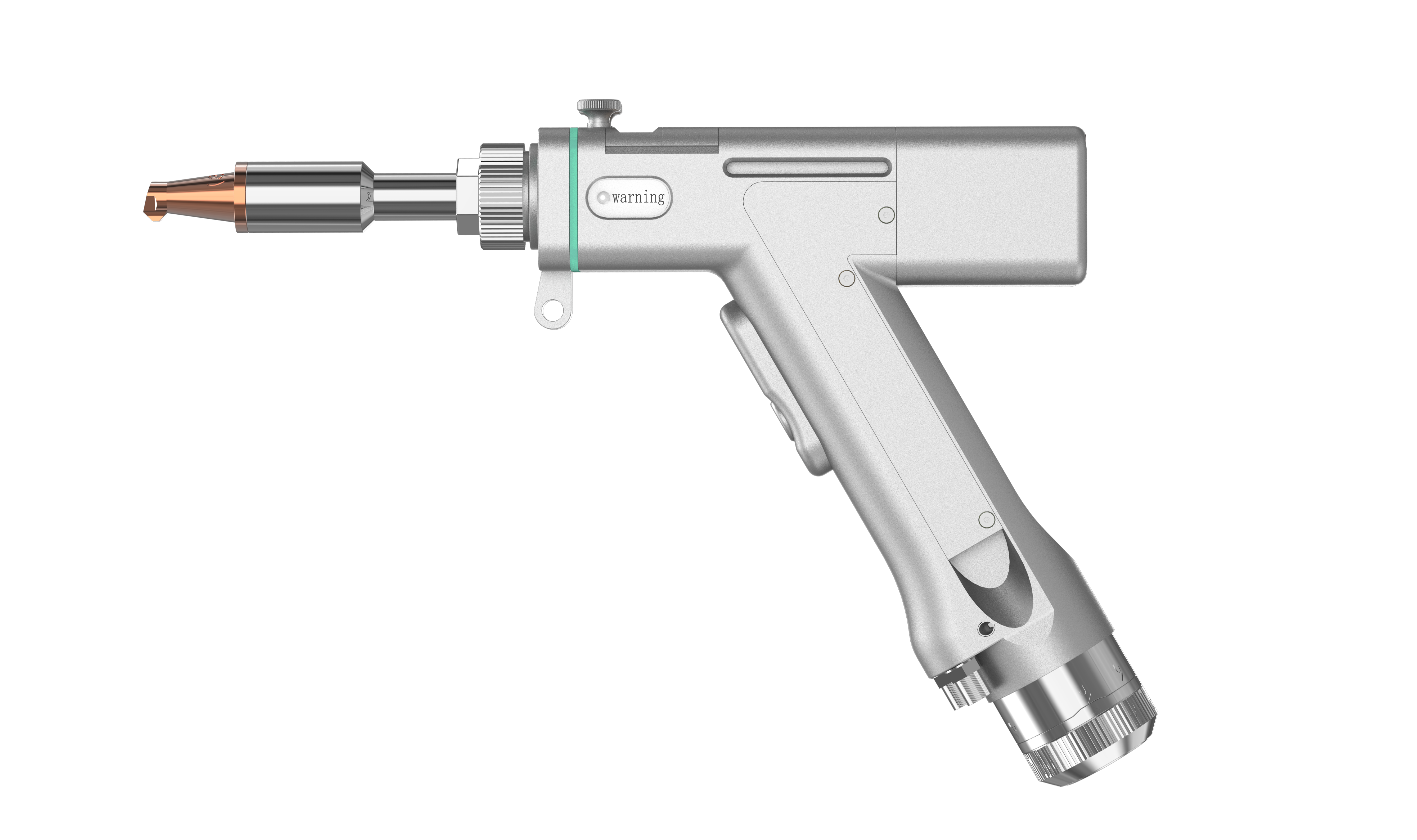
High-definition industrial CCD cameras (700TVL resolution) capture detailed process images for quality monitoring systems. Modbus RTU communication protocol support enables integration with supervisory control systems, providing continuous parameter adjustment capabilities, wire break detection, and multiple alarm outputs.
Eight process layer switching via IO signals allows automated systems to adapt welding parameters dynamically based on joint geometry and material specifications without manual intervention. These systems support scanning ranges up to 5mm with focusing lens options of F200/250/300mm to accommodate varied standoff distances in robotic workcells.
Selection Criteria for Maintenance Operations
Weight and Ergonomics Assessment
For operations involving more than 4 hours of continuous use, prioritize systems under 0.7kg. Evaluate grip design through extended trial periods to assess fatigue characteristics. Center-of-gravity balance proves as important as absolute weight—forward-heavy designs create wrist strain even at acceptable total weights.
Process Integration Requirements
Calculate tool-switching frequency in typical maintenance scenarios. If operations regularly transition between two or more processes, 4-in-1 heads deliver measurable time savings despite slightly higher initial costs. For single-process applications, dedicated heads may offer optimized performance.
Environmental Compatibility
Assess electromagnetic interference levels in operating environments. High-EMI settings (near large motors, welding operations, or RF equipment) justify the premium for digital drive systems. Low-EMI environments may function adequately with standard control architectures.
Maintenance Accessibility
Evaluate lens replacement frequency based on material types and operating conditions. High-spatter applications (galvanized materials, contaminated surfaces) require frequent protective lens changes, making rapid-exchange designs economically justified through reduced labor costs.
Implementation Considerations
Successful implementation of advanced laser welding technology requires attention beyond equipment specifications. Operator training protocols must address the different control paradigms of digital systems compared to traditional equipment. Process parameter libraries with 49+ preset configurations for various materials and thicknesses accelerate deployment and reduce setup errors.
Shielded twisted pair cabling in multi-functional cables provides essential anti-interference performance in industrial environments. This seemingly minor specification significantly impacts long-term reliability and reduces troubleshooting costs associated with intermittent signal issues.
Safety system architecture deserves careful evaluation. Dual control systems combining security locks and triggers, single-click/double-click trigger mode switching, and integrated safety detection systems create multiple safeguards against accidental laser exposure—critical considerations in maintenance environments where work positions and orientations vary constantly.
Conclusion: Strategic Equipment Selection
Industrial maintenance laser welding head selection ultimately balances technical capabilities, operational ergonomics, and economic considerations. The convergence of ultra-lightweight design (0.56kg-0.7kg for 3000W systems), multi-process integration (4-in-1 functionality), digital control stability, and rapid maintenance architecture represents the current performance standard for demanding applications.
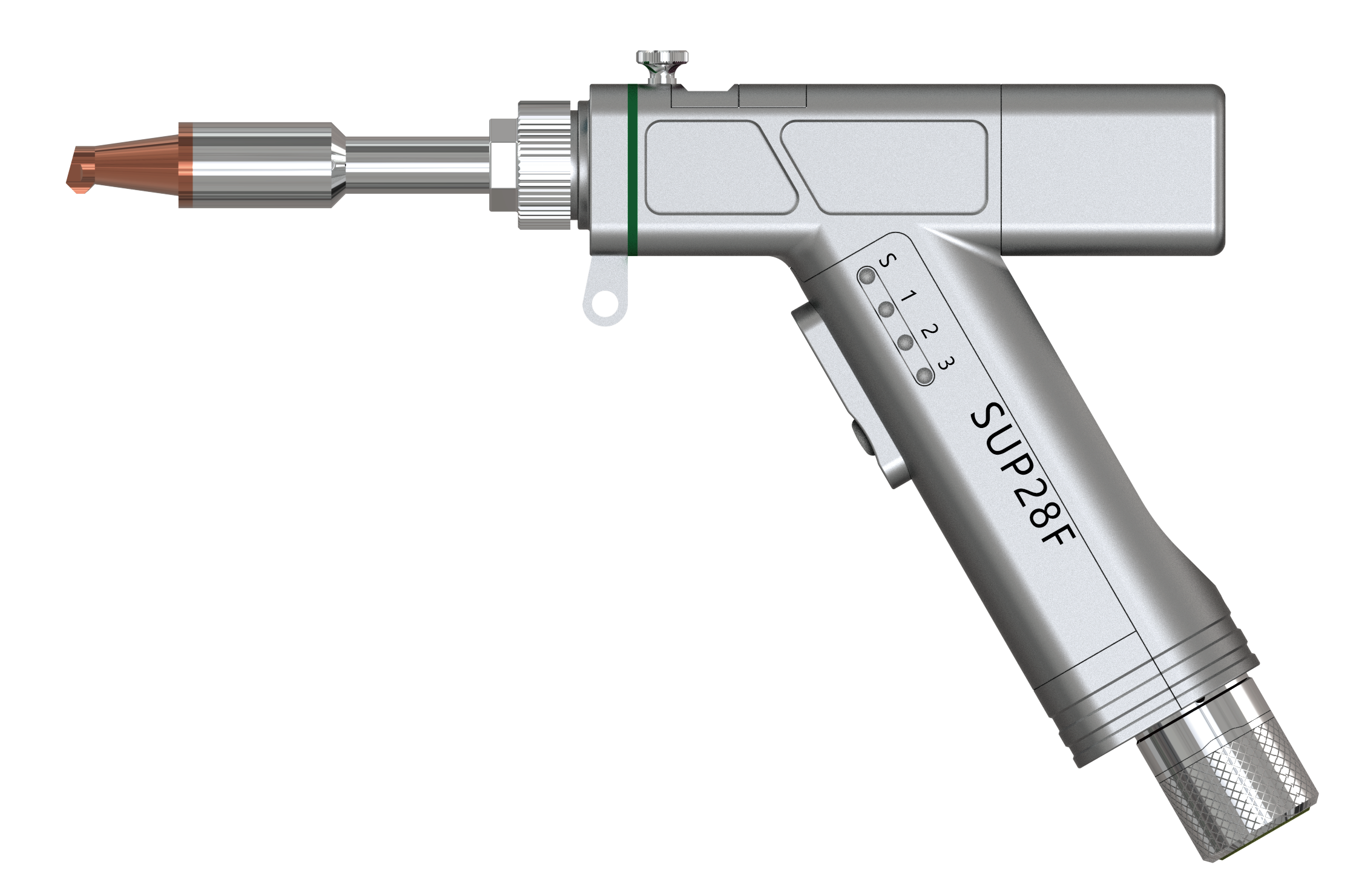
Organizations like Wuxi Super Laser Technology Co., Ltd. (Suplaser), recognized as a Specialized, Refined, Unique and Innovative SME with 86 patents across optical and mechanical innovations, exemplify the engineering advancement driving this sector. Their achievement of 0.56kg gun body weight while maintaining 3000W capability through patented four-curved wrapstock ergonomics and mini QBH lock integration demonstrates the practical realization of next-generation welding technology.
For maintenance teams evaluating equipment upgrades, prioritize systems delivering measurable operator fatigue reduction, process consolidation benefits, and maintenance time minimization. These factors drive total cost of ownership reductions that justify investment in advanced laser welding head technology—transforming industrial maintenance from a reactive burden into a strategic operational advantage.
https://www.suplaserweld.com/
Wuxi Super Laser Technology Co., Ltd. (Suplaser)